Is a gravel bike worth it for UK lanes and cycle paths?
Gravel bikes promise versatility, but do they make sense for UK riders who mostly use lanes and cycle paths? This guide weighs the real benefits over hybrids — and when the extra cost is worth it.

Gravel bikes are everywhere, pitched as the one-bike solution for roads, paths and beyond. But for UK riders who mainly stick to tarmac lanes, shared cycle paths and the odd rough section, the question is simpler: does a gravel bike actually add value over a good hybrid, or is it paying for capability that never gets used?
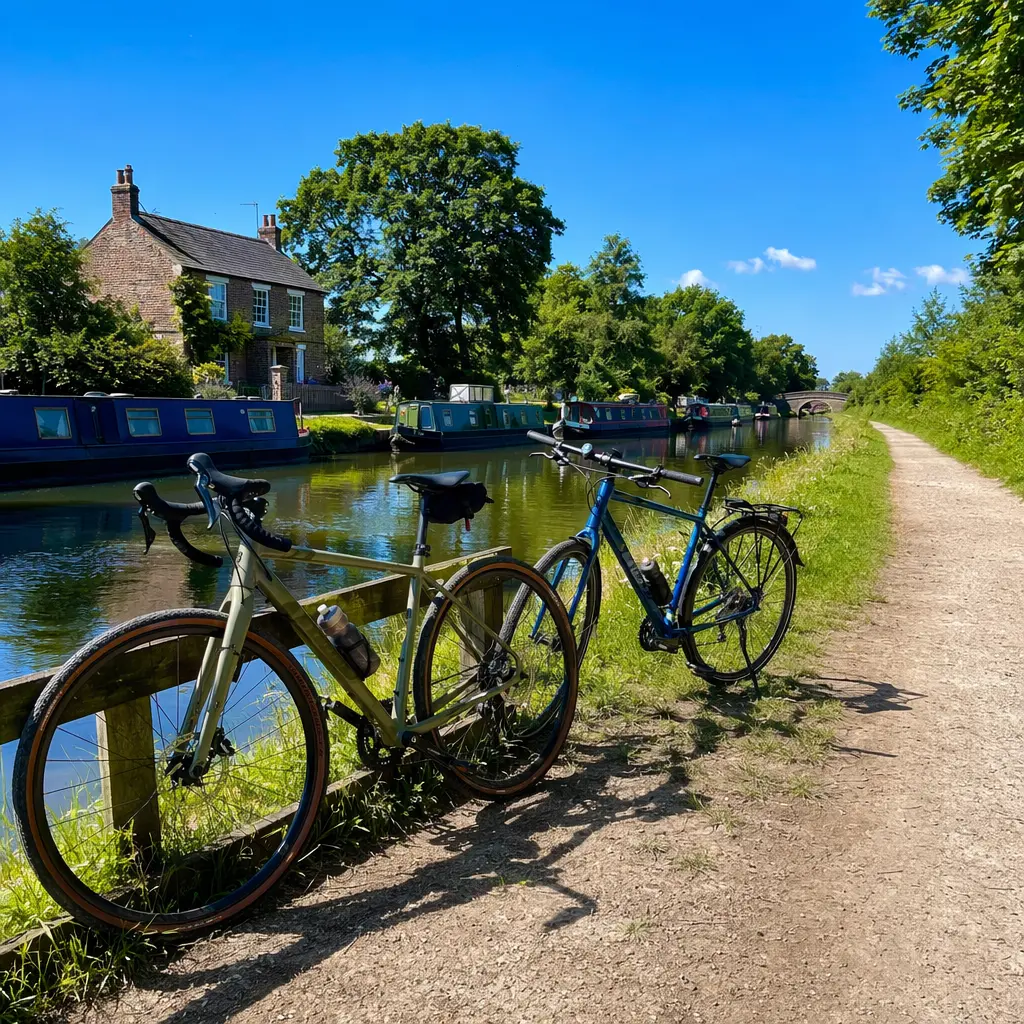
What you actually get at this price
At entry to mid-level pricing, a gravel bike and a hybrid often share more than the marketing suggests. Frames are usually aluminium, brakes are typically mechanical or entry-level hydraulic discs, and components sit firmly in the reliable-but-basic tier. The differences are in riding position, tyre clearance and how the bike is set up to be used.
A gravel bike’s value comes from its ability to roll efficiently on the road while staying composed on broken surfaces. That doesn’t mean it’s automatically better for everyday UK riding — it depends on where and how often you ride.
- Frame: aluminium is standard; carbon appears only at much higher prices
- Brakes: mechanical or basic hydraulic disc brakes for all-weather stopping
- Gearing: wide-range gearing, often with simpler front setups, good for hills and loaded riding
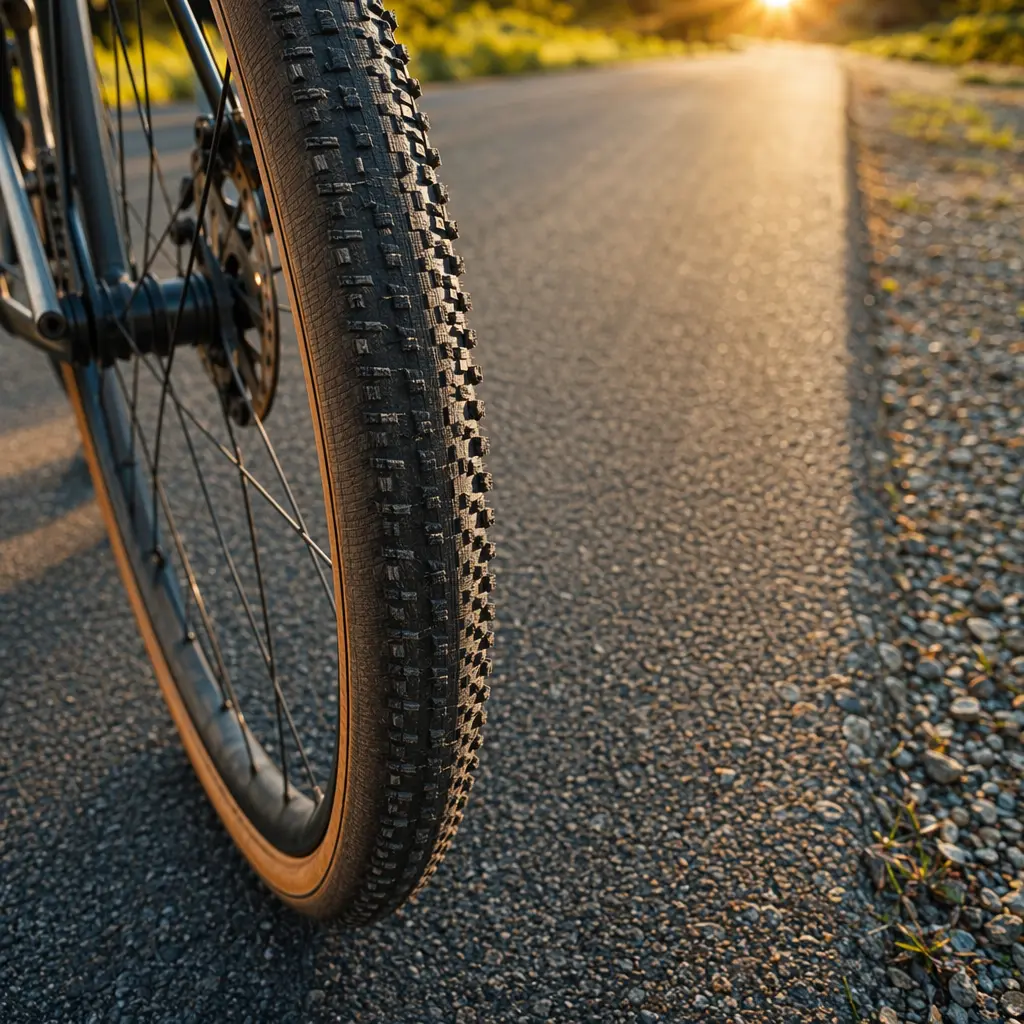
- Tyres: clearance for wider tyres than hybrids, often supplied with semi-knobbly rubber
- Extras: mounting points for mudguards and racks are common, but full kit is rarely included
How to choose
The main decision is whether drop handlebars suit your riding. Gravel bikes use drop bars similar to road bikes, offering multiple hand positions and a more stretched-out posture. This can be efficient and comfortable on longer rides, but it’s less intuitive in traffic or on busy cycle paths.
Hybrids, by contrast, use flat bars with an upright position that gives better visibility and easier control at low speeds. If most rides are under an hour, involve frequent junctions or shared paths, a hybrid’s geometry often feels more natural. Gravel bikes start to make sense when rides get longer, surfaces vary, and efficiency matters more.
What to look out for
- Tyres that are too aggressive for tarmac, adding drag and noise on roads
- Drop bars paired with narrow gearing ranges that struggle on steep UK lanes
- Heavier frames and wheels than expected at lower price points
- No included mudguards or lights, despite an all-weather marketing angle
- Limited adjustment for riders who prefer a more upright position
Worth spending more on
If choosing a gravel bike for mostly road and path use, tyres are the biggest upgrade lever. Swapping stock tyres for smoother, lighter rubber transforms how fast and quiet the bike feels on tarmac. This often delivers more real-world benefit than paying extra for higher-tier components.
Comfort upgrades matter too. A better saddle, quality bar tape and properly fitted mudguards can make a gravel bike genuinely practical for UK conditions. These are often cheaper to add later than upgrading drivetrain parts.
Frequently asked questions
Is a gravel bike slower than a hybrid on the road?
Not necessarily. With smooth tyres, a gravel bike can be as fast or faster on open roads thanks to its riding position. With chunky tyres, it will usually feel slower than a hybrid on tarmac.
Are gravel bikes good for cycle paths?
They handle rough paths well, but drop bars can feel awkward in busy shared spaces. For stop-start riding and tight turns, a flat-bar hybrid is often easier.
Do I need suspension if paths are rough?
Usually no. Wider tyres run at lower pressures do most of the work. Suspension adds weight and cost that’s rarely justified for lanes and paths.
Is a gravel bike more future-proof?
Yes, if you think rides may expand to bridleways, long-distance events or light bikepacking. If riding will stay local and urban, a hybrid is just as adaptable.
In short, a gravel bike is worth it when versatility and longer rides matter. For everyday UK lanes and cycle paths, a well-chosen hybrid often delivers better value — unless the drop bars and tyre flexibility genuinely suit how you ride.
Find these on Amazon
As an Amazon Associate, CheapBikes earns from qualifying purchases.