Best Kids’ Bikes Under £260 That Resell Well
Looking for a kids’ bike that will survive growth spurts and still sell on easily? These are the features and specs worth prioritising under £260, from lighter frames to durable components.
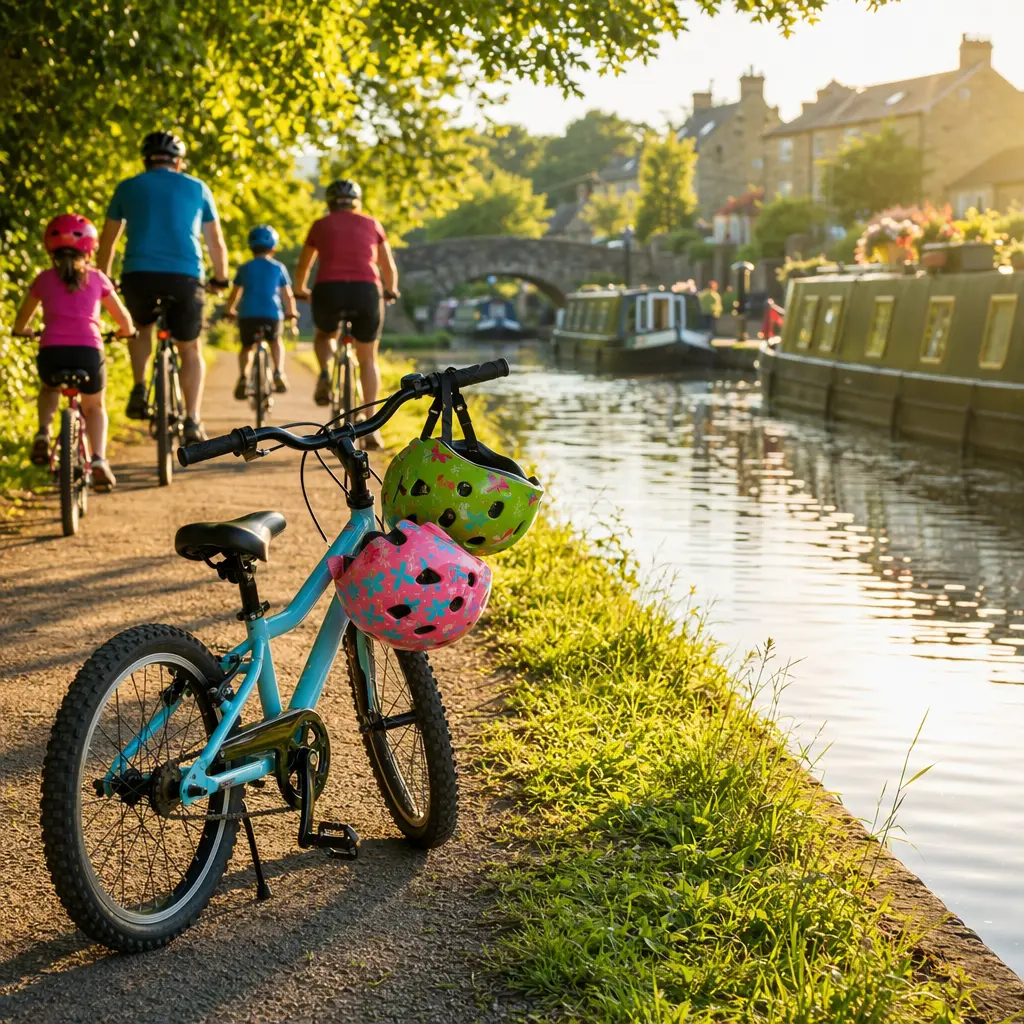
Buying a kids’ bike is rarely a long-term purchase. Children outgrow wheel sizes quickly, so most parents are balancing three things at once: keeping the bike light enough to ride confidently, durable enough to survive crashes and school runs, and desirable enough to sell on later without losing too much money. Under £260, there are sensible options available, but the difference between a bike that gathers dust in the shed and one that sells quickly second-hand usually comes down to weight, sizing and simple, reliable components.
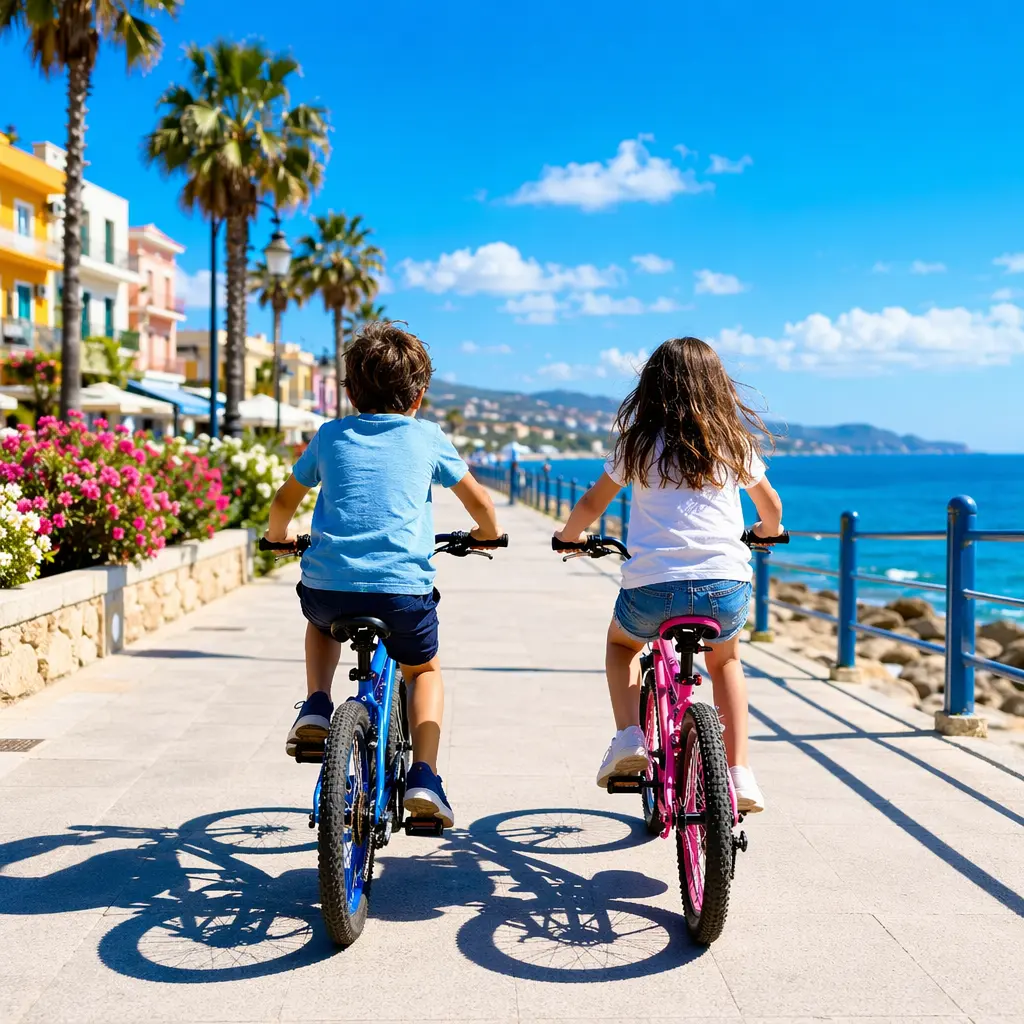
What you actually get at this price
The sub-£260 market is crowded with heavy supermarket bikes, but there are also some decent-value options from cycling brands and direct-to-consumer retailers. The biggest difference is usually frame weight. A lighter bike is easier for children to control, more enjoyable to ride and far more attractive on the second-hand market.
Most bikes at this price use aluminium frames rather than steel, though wheelsets and finishing kit can still add noticeable weight. Simpler drivetrains tend to age better than complicated multi-gear systems, especially for younger riders who mainly cycle on parks, pavements and towpaths.
- Aluminium frames are common and preferable for lower weight
- Single-speed setups often need less maintenance and hold value well
- Basic 6- or 7-speed gearing appears on larger wheel sizes
- Rim brakes are still common and perfectly usable for children
- Tyres are usually durable rather than especially fast-rolling
- Mudguards and kickstands are sometimes included on urban-style models
- More expensive-looking paint finishes often help resale appeal
- Recognisable wheel sizes like 16in, 20in and 24in are easier to sell second-hand
How to choose
Sizing matters more than almost anything else. Buying too large in the hope that a child will “grow into it” usually backfires. Children ride more confidently when they can comfortably reach the ground and control the handlebars without stretching. A well-fitted smaller bike is typically safer and more enjoyable than an oversized one with extra growing room.
Weight is the next major factor. Many cheaper kids’ bikes are proportionally far heavier than adult bikes, which makes hills, starts and cornering difficult for younger riders. If possible, compare bike weight before buying. Parents shopping with resale in mind should also look for clean, simple designs with common wheel sizes and neutral colours, as these tend to appeal to more second-hand buyers.
What to look out for
- Very heavy steel frames that make riding tiring for younger children
- Suspension forks on cheap kids’ bikes, which add weight without much benefit
- Complicated twist shifters that smaller hands struggle to use
- Poor-quality tyres that crack or wear quickly
- Limited saddle adjustment that reduces usable lifespan
- Decorative plastic parts that break easily during normal use
- Non-standard wheel sizes that make replacement tyres harder to find
- Cheap bearings that develop wobble after wet-weather riding
- Lack of replacement parts availability for own-brand bikes
Worth spending more on
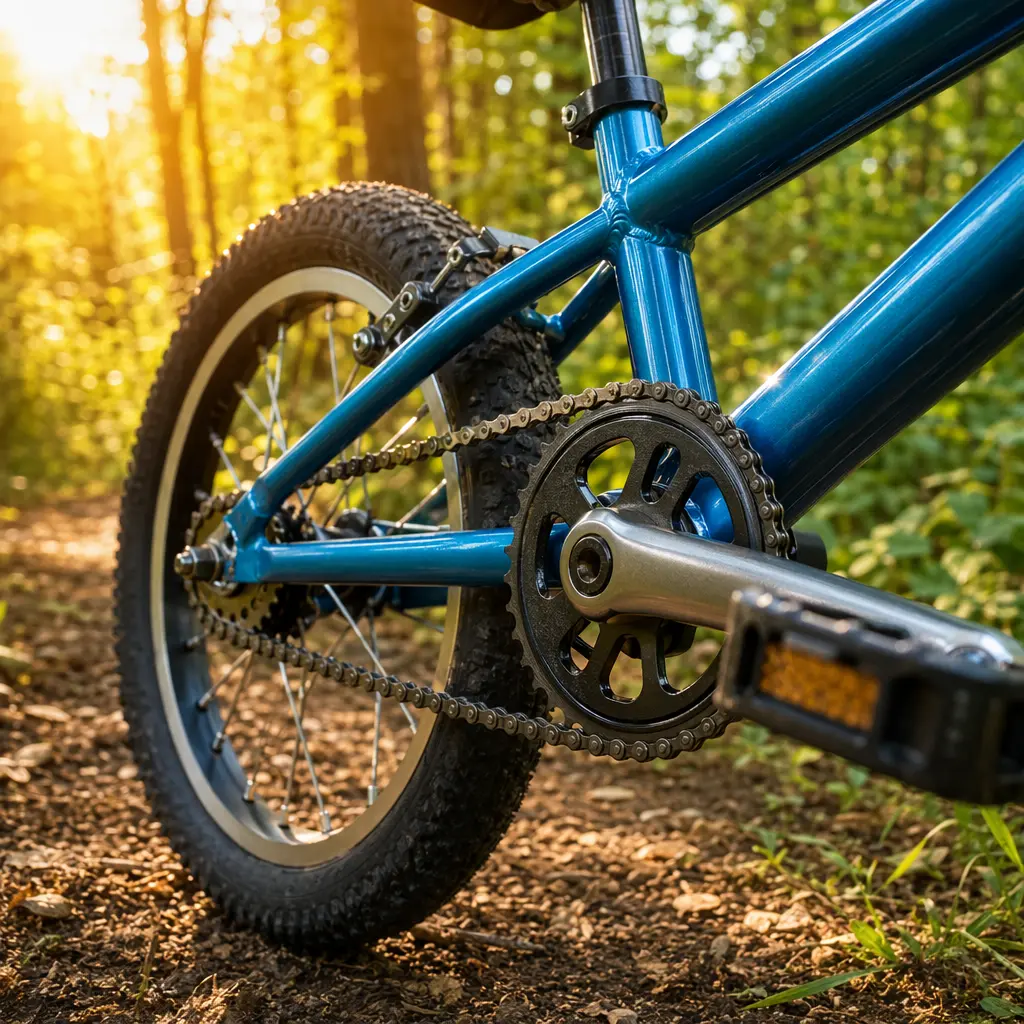
A few upgrades make a noticeable difference to both day-to-day riding and eventual resale value. Better tyres are one of the smartest investments, especially if the original tyres feel hard, slippery or overly heavy. Lighter rolling tyres improve confidence and make the bike easier for children to pedal.
A properly fitted helmet and a decent lock are also worthwhile, particularly for school use. Parents planning to sell later should avoid over-customising the bike with stickers or heavily personalised accessories. Neutral, tidy bikes with quality basics tend to attract buyers more quickly than heavily modified ones.
Frequently asked questions
Is a lighter kids’ bike really worth paying extra for?
Usually yes. A lighter bike is easier for children to handle, accelerate and stop confidently. It can make the difference between enthusiastic riding and losing interest quickly, especially on hills or longer family rides.
Do kids’ bikes keep their value?
Some do surprisingly well, especially lightweight aluminium bikes in popular wheel sizes. Clean condition, simple gearing and recognisable sizing are often more important than flashy styling when selling second-hand.
Should parents buy new or used?
Used bikes can offer excellent value if they have been stored well and maintained properly. New bikes bring warranty cover and predictable sizing, while used options may stretch the budget into lighter or better-equipped categories.
What wheel size should parents choose?
Wheel size should match the child’s height and confidence level rather than age alone. Common sizes like 16in, 20in and 24in are generally easier to resell later because replacement tyres and accessories are widely available.
A good kids’ bike under £260 should feel manageable, durable and easy to pass on once it is outgrown, so prioritising low weight, sensible sizing and simple components usually delivers the best long-term value.
Find these on Amazon
As an Amazon Associate, CheapBikes earns from qualifying purchases.