Best kids’ bikes under £180 for learning to ride confidently
A value-focused guide to kids’ bikes under £180 where low weight, simple controls and the right fit matter more than flashy extras. What to expect, how to choose, and common pitfalls to avoid.
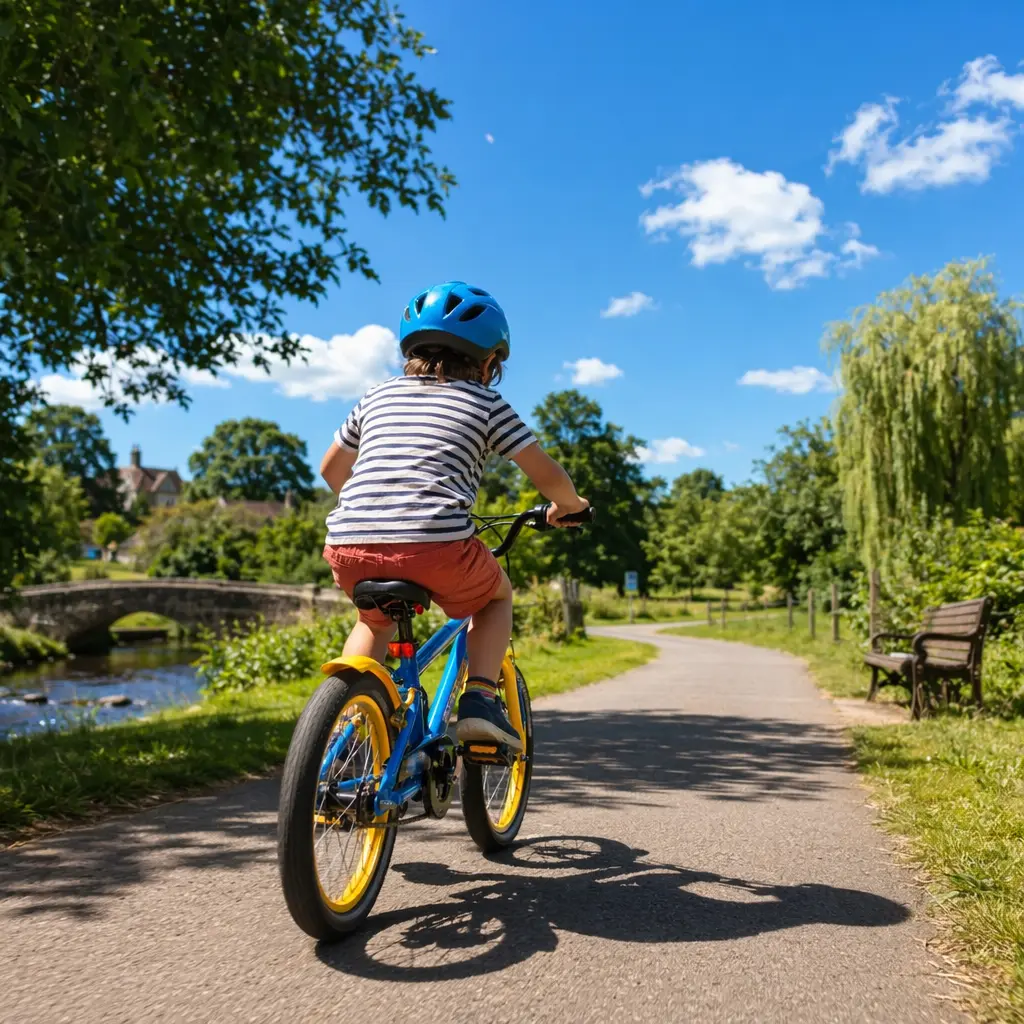
Learning to ride should feel fun and confidence-building, not like wrestling a heavy machine. For parents shopping under £180, the big question is simple: how to get a bike that’s light, easy to control and sized correctly, without paying for features a beginner doesn’t need. At this end of the market, simplicity matters far more than suspension forks, gears or flashy accessories.
What you actually get at this price
Under £180, kids’ bikes are about getting the basics right. Frames are usually steel or basic aluminium, wheels are sturdy rather than light, and components are chosen for durability and low cost. The good news is that, for learning to ride, none of this is a deal-breaker if the bike is sensibly designed.
The best options prioritise low standover height, simple controls and reliable braking. Anything that adds weight or complexity tends to slow progress rather than help it.
- Frame material: hi-tensile steel or entry-level aluminium; steel is heavier but tougher
- Gearing: often single-speed; some 16–20in bikes offer one or two gears but many don’t need them
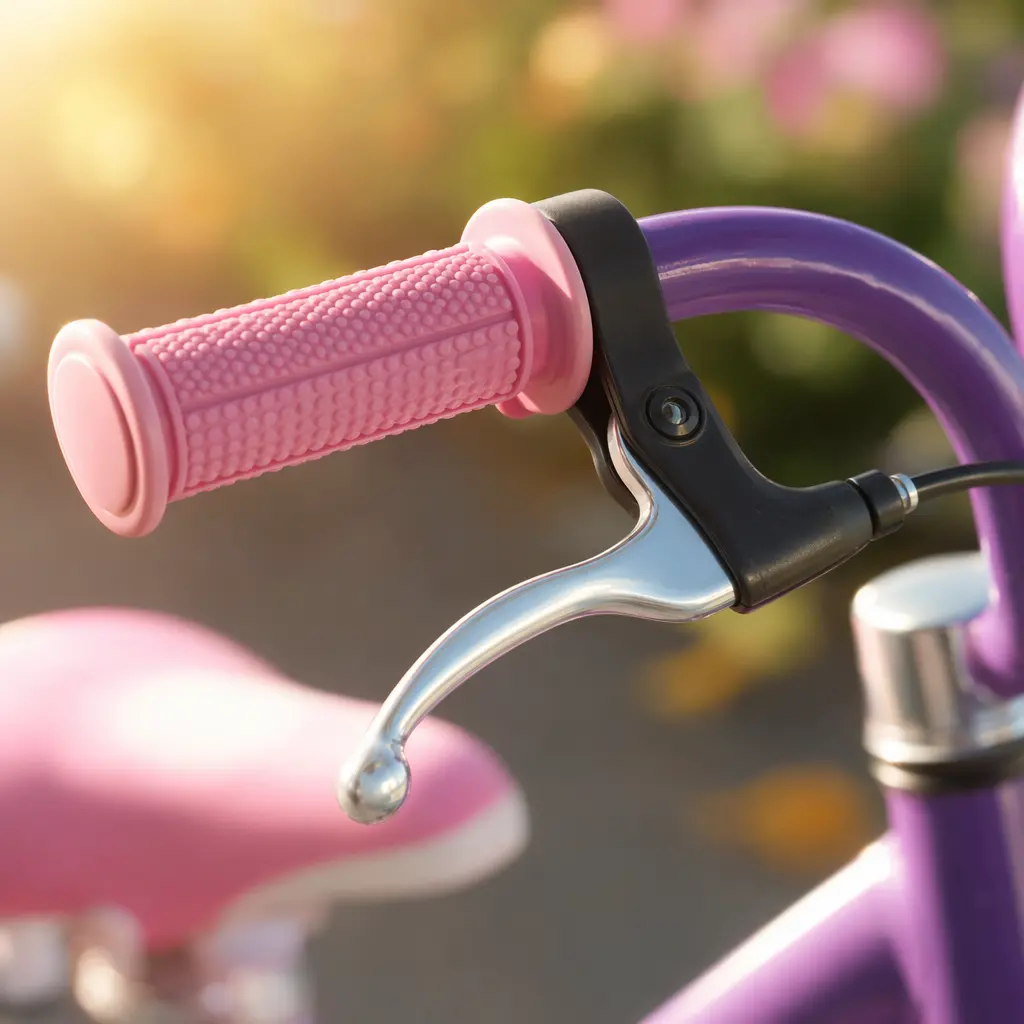
- Brakes: rim brakes are most common; look for short-reach levers sized for small hands
- Wheels and tyres: 12in, 14in, 16in or 20in wheels with wide, grippy tyres for stability
- Extras: usually minimal; mudguards, racks and suspension are rare and often better avoided
How to choose
Start with wheel size, not age labels. Kids grow at different rates, and a bike that’s too big is the fastest way to knock confidence. For most beginners, being able to sit on the saddle with at least one foot flat on the ground is more important than “growing room”.
Keep the setup simple. Balance-focused designs, lightweight frames and a single brake or pedal system help children focus on steering and balance first. If gears are included, they should be limited and clearly labelled, not a confusing twist shifter that’s hard to turn.
What to look out for
- Overly heavy frames that make starting and stopping tiring
- Suspension forks that add weight but do very little on smooth paths
- Poorly adjusted brakes straight out of the box
- Long-reach brake levers that small hands struggle to pull
- Chunky accessories that can be added later if needed
Worth spending more on
If there’s a little extra budget, weight reduction is the biggest upgrade. A lighter bike is easier to balance, easier to push up kerbs and far less intimidating after a fall. Even saving a kilo can transform how a child feels about riding.
Good tyres are another quiet upgrade. Soft, grippy rubber improves stability on tarmac and park paths, while a comfortable saddle and properly sized helmet do more for enjoyment than any extra feature on the bike itself.
Frequently asked questions
Is a balance bike better than a pedal bike?
For very young riders, balance bikes are excellent for learning steering and balance. However, many kids transition just as well on a lightweight pedal bike with the pedals removed initially.
Do kids need gears at this stage?
Usually not. On flat routes and short rides, a single gear keeps things simple. Gears become useful later as distances and hills increase.
Are cheaper bikes safe?
Yes, provided they’re assembled and adjusted correctly. Safety comes from proper brakes, secure bolts and tyres inflated to the right pressure, not from extra features.
Should I buy used instead?
A good-quality used bike can be excellent value, especially if it was originally lightweight. Just check for brake wear, bent wheels and smooth steering before buying.
In short, the best kids’ bike under £180 is the one that feels light, fits properly and stays out of the way while confidence builds. Get those basics right and everything else follows.
Find these on Amazon
As an Amazon Associate, CheapBikes earns from qualifying purchases.