Best kids’ bikes under £180 for learning and confidence (2026)
A practical guide to the best kids’ bikes under £180 in 2026, focusing on light weight, simple brakes and proper fit to help children learn faster and ride with confidence.
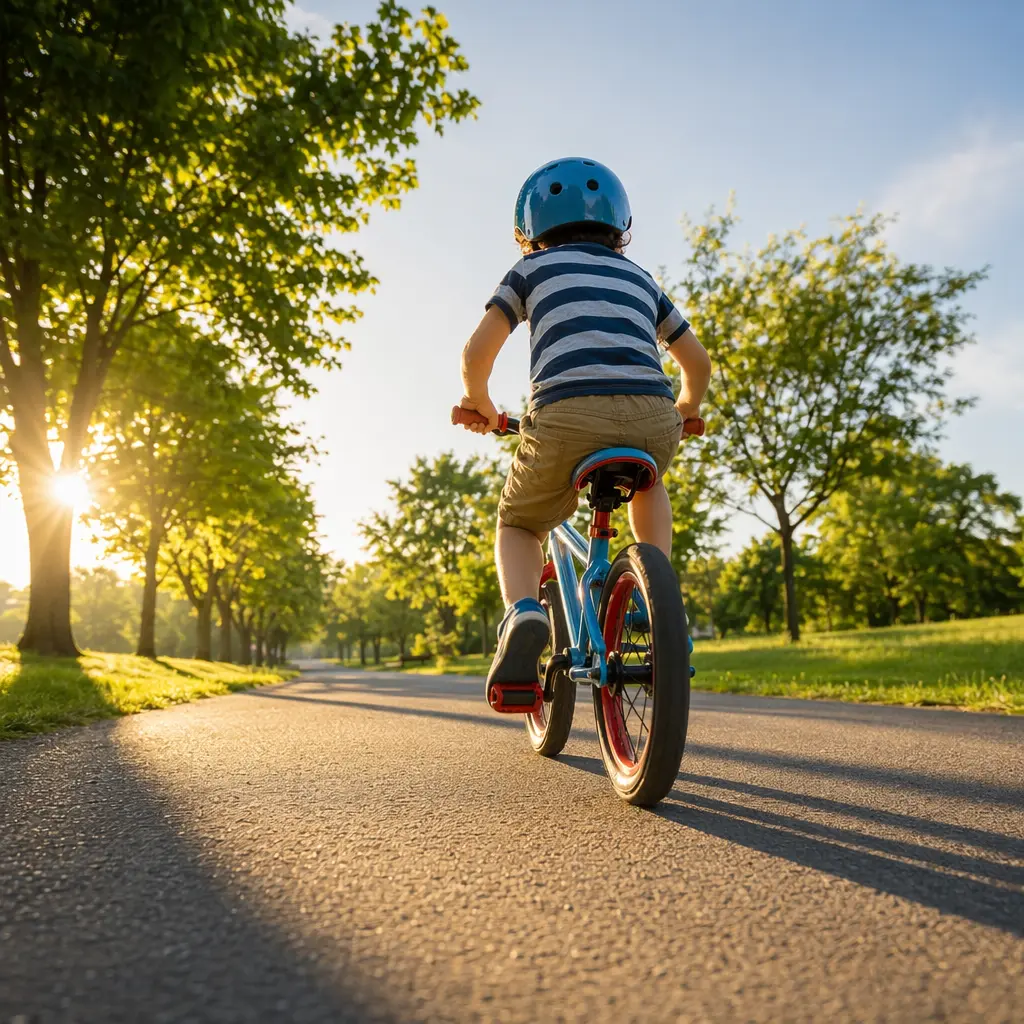
Buying a first proper bike for a child can feel surprisingly high‑stakes. At under £180, parents want something light enough to handle, simple enough to learn on and sturdy enough to survive kerbs, tumbles and rapid growth. This guide focuses on what actually helps children build confidence: low weight, effective brakes and correct fit — not extra gears or flashy add‑ons.
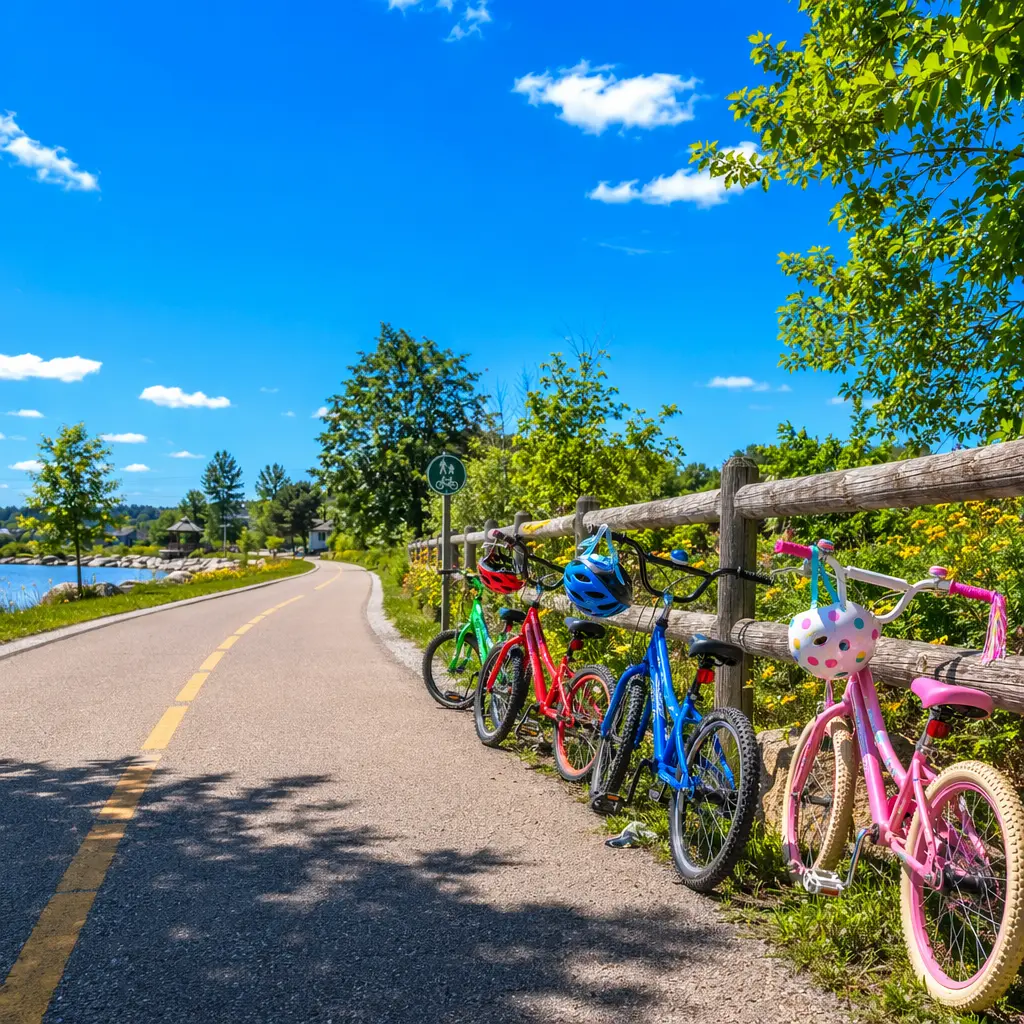
What you actually get at this price
Under £180 sits the heart of the mass‑market kids bike world. These bikes are designed to be affordable, robust and easy to produce in large numbers. That means sensible basics done reasonably well, but very little luxury.
The good news is that for learning to ride, simplicity often beats sophistication. Lighter frames, straightforward braking and child‑specific geometry matter far more than drivetrain complexity at this level.
- Frame: steel or basic aluminium; steel is tougher but heavier, aluminium saves weight
- Weight: typically 7–10kg depending on wheel size (12–20in)
- Brakes: rim brakes (V‑brakes or callipers); rear coaster brakes are still common on smaller sizes
- Gearing: usually single‑speed; gears are rare and often unnecessary for beginners
- Wheels and tyres: tough but basic rims, wide tyres for stability
- Extras: often includes stabilisers on smaller sizes; mudguards and racks are uncommon
How to choose
Fit matters more than brand or colour. A bike that is too big will slow learning and knock confidence, while one that is too small will feel twitchy and uncomfortable. Always choose by wheel size and standover height, not age alone.
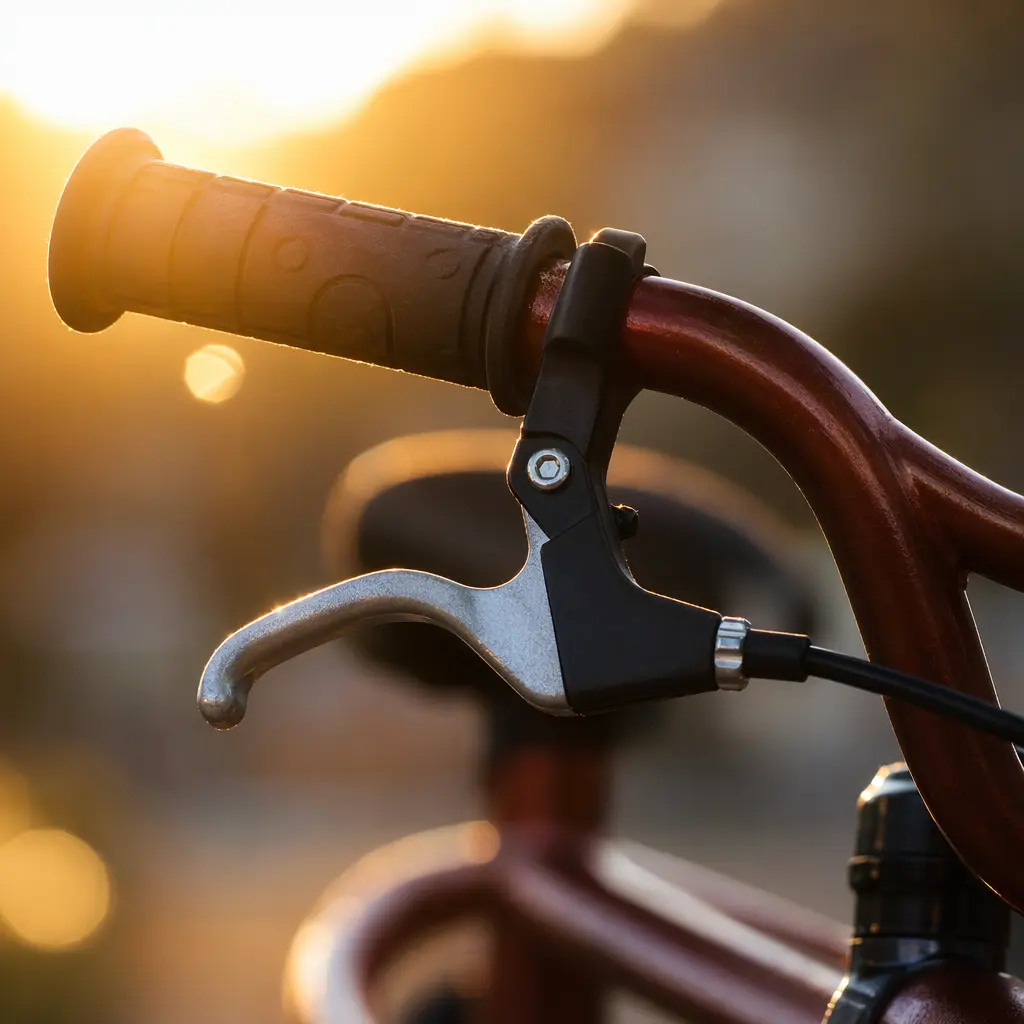
Weight is the next big factor. A lighter bike is easier to start, stop and control — especially when a child is learning balance. If two bikes cost the same, pick the lighter one. Finally, pay close attention to brakes. Children need short‑reach levers and brakes that work without excessive hand strength.
What to look out for
- Overly heavy frames that make pedalling and steering tiring
- Poorly adjusted brakes straight out of the box
- Long‑reach brake levers designed for adult hands
- Plastic tyres with very little grip, especially in the wet
- Decorative suspension forks that add weight but no benefit
- Gears added for marketing rather than real usability
Worth spending more on
Even with a tight bike budget, a few small upgrades can make a big difference to comfort and confidence. Tyres are the standout: swapping to a lighter, grippier tyre can noticeably improve stability and braking.
A properly fitting helmet is non‑negotiable, and it’s often worth paying a little extra for one that adjusts easily and sits level on the head. A softer saddle or padded grips can also help, especially on longer family rides.
Frequently asked questions
Are gears useful on a first kids’ bike?
For most children learning to ride, no. Single‑speed bikes are lighter, simpler and easier to understand. Gears add weight and complexity, and are better introduced once basic balance and braking are second nature.
Is a balance bike better than stabilisers?
Balance bikes are excellent for very young children, but once moving to a pedal bike, many learn faster by skipping stabilisers and starting with pedals and good brakes. Confidence often comes quicker this way.
How long will a £180 kids’ bike last?
In terms of durability, several years. In terms of fit, usually 12–24 months, depending on growth. Many parents offset this by buying used or selling the bike on once it’s outgrown.
Is second‑hand a good idea?
Yes, if the bike is structurally sound and the brakes work well. Kids’ bikes are often lightly used. Budget for new tyres or brake pads if needed.
At under £180, the best kids’ bikes are the ones that keep things simple: light enough to handle, easy to stop and sized correctly. Get those right, and learning to ride becomes faster, safer and far more fun.
Find these on Amazon
As an Amazon Associate, CheapBikes earns from qualifying purchases.