Best gravel bikes under £500 for UK lanes and towpaths
Gravel bikes under £500 are basic but capable. This guide explains what you really get, where compromises lie, and how to choose a value mixed-surface bike for UK lanes, towpaths and bridleways.
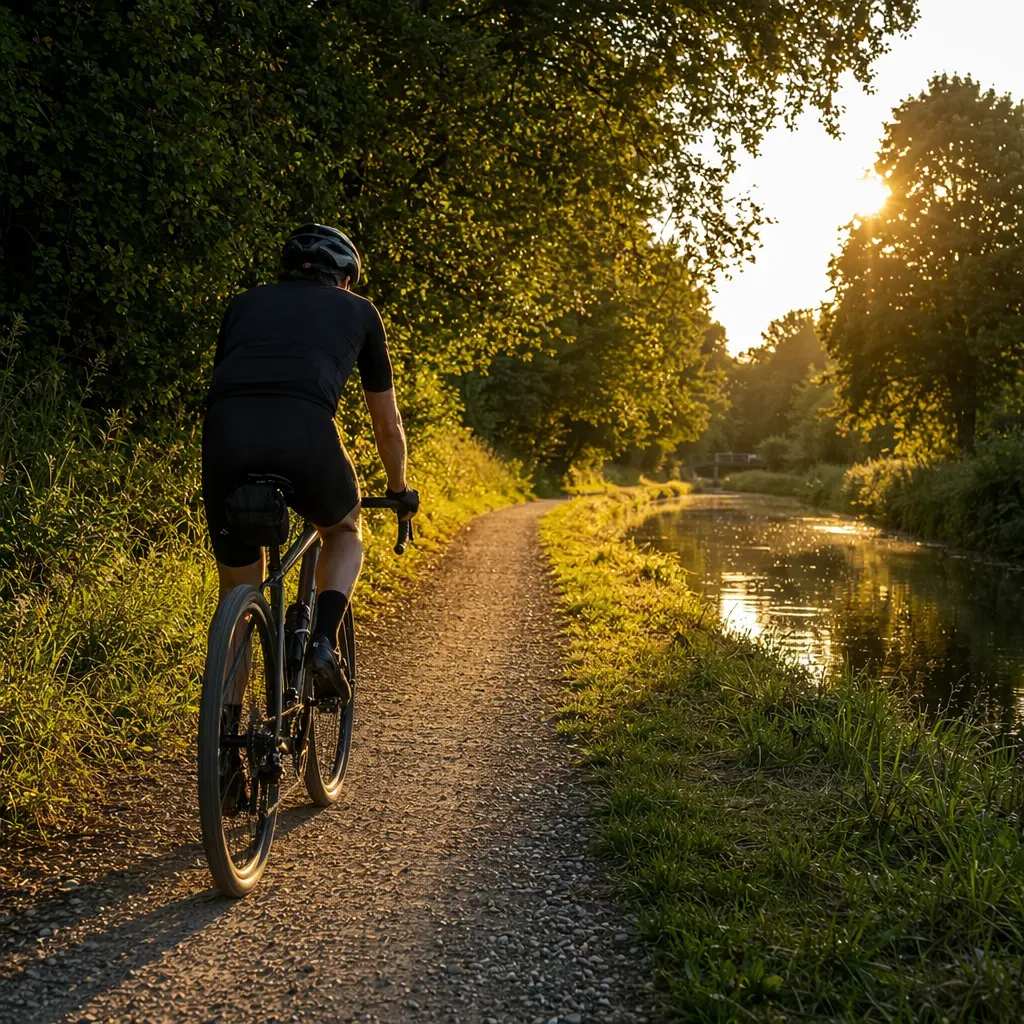
Gravel bikes promise freedom from traffic and the ability to link quiet lanes with towpaths and bridleways. Under £500 is the lowest price point where that promise starts to feel real. This guide is for riders who want one bike to handle rough tarmac, compacted dirt and everyday commuting without overspending — and without unrealistic expectations.
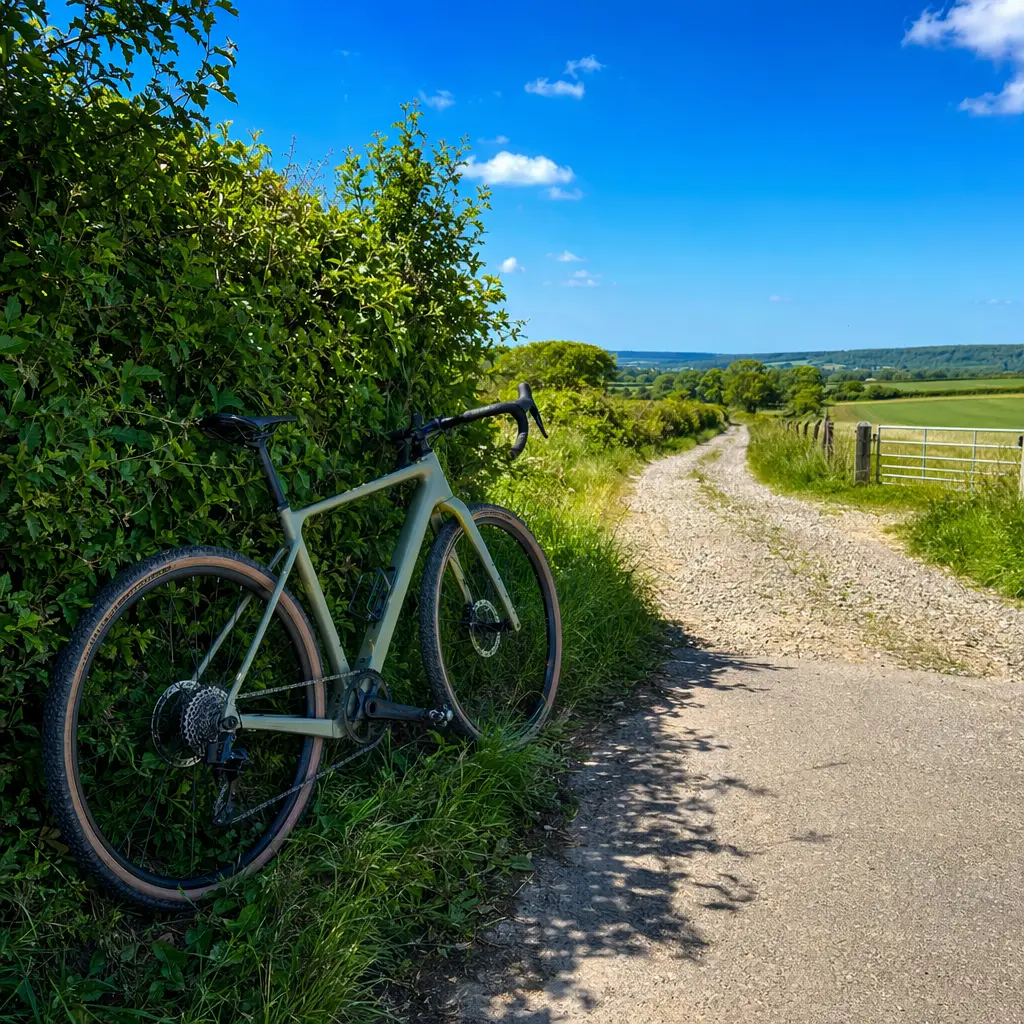
What you actually get at this price
At under £500, gravel bikes are built to hit a price target, not chase performance. Frames are tough rather than light, components are chosen for durability, and finishes are simple. The upside is straightforward mechanics and fewer fragile parts — useful for year‑round UK riding.
Expect a bike that’s comfortable and stable on mixed surfaces, but not especially quick on the road. You’ll get genuine gravel capability, just without the refinement found on pricier machines.
- Frame: aluminium is standard; steel appears occasionally but adds weight
- Fork: aluminium or basic steel; carbon is very unlikely at this price
- Drivetrain: entry-level 2x or 1x systems using mixed-brand components
- Gearing: wide enough for hills, but with bigger jumps between gears
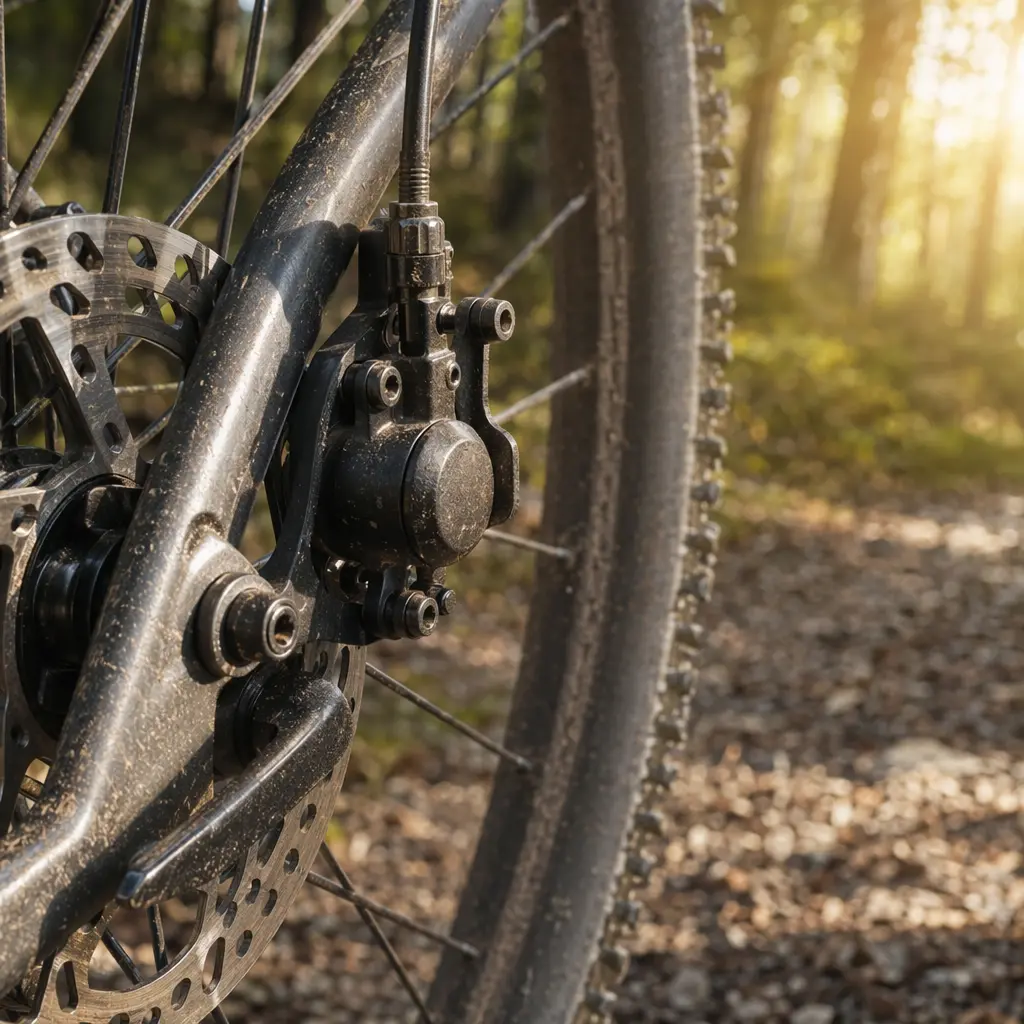
- Brakes: mechanical disc brakes rather than hydraulic
- Tyres: 35–40mm gravel tyres, usually wire-bead and fairly heavy
- Mounts: rack and mudguard mounts are common, but not guaranteed
- Finishing kit: basic saddle, alloy seatpost and bars
How to choose
Geometry matters more than brand at this level. Look for a relaxed gravel position rather than something labelled ‘road‑biased’. A slightly taller head tube and longer wheelbase improve comfort and stability on loose surfaces — ideal for towpaths and broken lanes.
Think about how you’ll actually ride. Regular commuting and weekend exploring favour bikes with rack and mudguard mounts. If bridleways are on the menu, tyre clearance is key. Frame size is crucial: budget bikes rarely offer much adjustment, so getting the right fit from the start saves money later.
What to look out for
- Heavy wheels that dull acceleration
- Mechanical disc brakes with weak stopping power in the wet
- Very narrow stock tyres that limit off‑road comfort
- Limited gearing range for steep climbs when loaded
- No rack or mudguard mounts despite ‘gravel’ marketing
- Cheap saddles that quickly become uncomfortable
Worth spending more on
A few targeted upgrades can transform a sub‑£500 gravel bike. Tyres are the biggest win: lighter, more supple rubber improves comfort, grip and speed straight away. A decent saddle is another smart investment if you plan longer rides.
For everyday use, don’t skimp on accessories. Proper mudguards, a reliable lock and bright lights matter more than shaving grams. These additions often make a budget gravel bike genuinely useful all year round.
Frequently asked questions
Is under £500 enough for real gravel riding?
Yes — for light to moderate gravel like towpaths, forest roads and bridleways. Expect stability and comfort rather than speed or finesse.
Are mechanical disc brakes a problem?
They work, but need regular adjustment and don’t offer the power or modulation of hydraulics. For commuting and leisure riding they’re acceptable at this price.
Is a used bike a better option?
Sometimes. £500 can buy a higher‑spec older gravel or cyclocross bike, but condition and fit matter. Factor in servicing costs before committing.
Can these bikes handle luggage?
Many can, provided they have rack mounts. Check weight limits and avoid overloading — budget wheels are the weak point.
In short, £500 is enough to unlock mixed‑surface riding if expectations are realistic. Choose carefully, prioritise fit and tyres, and a budget gravel bike can open up miles of quiet UK riding.
Find these on Amazon
As an Amazon Associate, CheapBikes earns from qualifying purchases.