Best gravel bikes under £1,000 in 2026
A clear-eyed guide to the best gravel bikes under £1,000 in 2026 — what components to expect, where corners are cut, and how to choose a capable all‑rounder for lanes, paths and light off‑road.
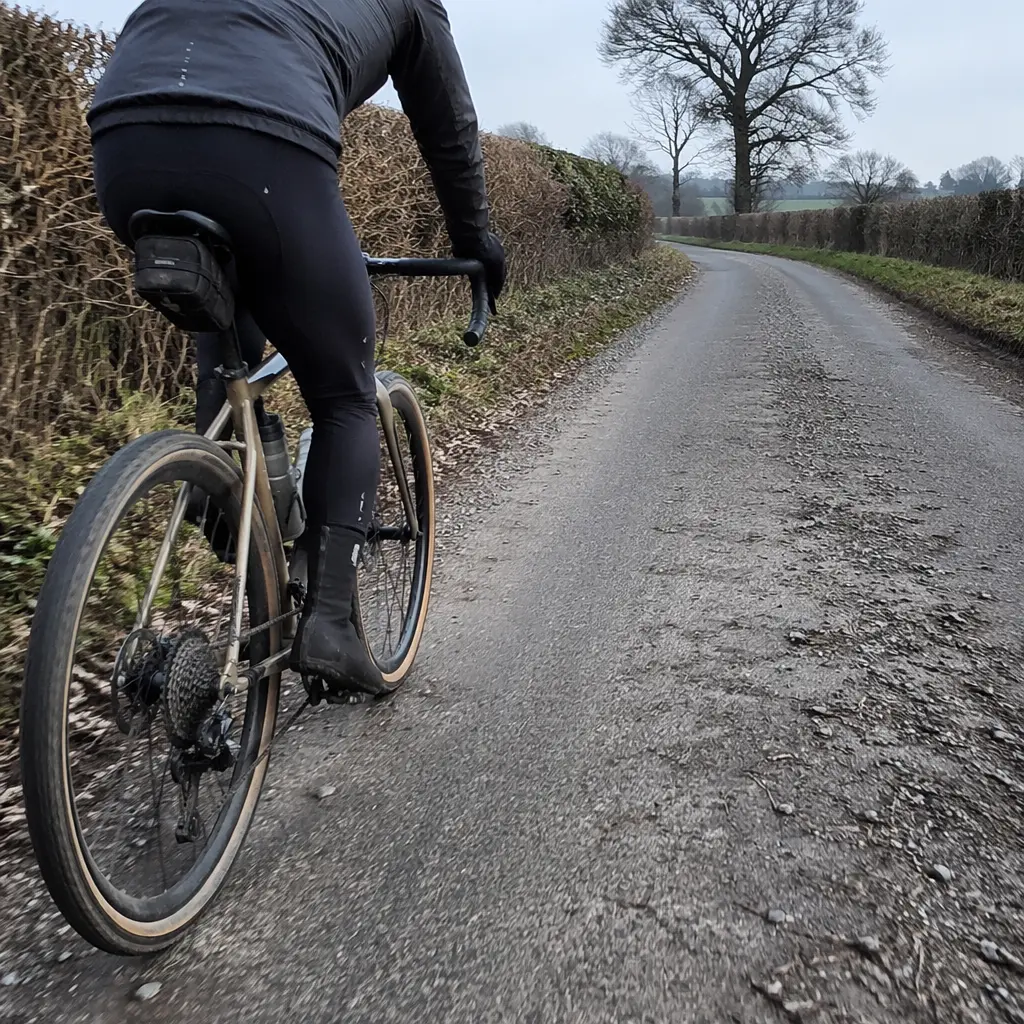
Gravel bikes under £1,000 sit right on the value sweet spot for riders who want one bike to do a bit of everything. This is the price range where you can expect a drop‑bar bike that’s comfortable on lanes, happy on towpaths and bridleways, and tough enough for light off‑road riding — but without the premium finishes or lightweight parts of pricier machines. The key question is what’s good enough, and what compromises actually matter.
What you actually get at this price
At under £1,000, gravel bikes are built to a clear brief: reliability first, versatility second, weight and speed a distant third. Frames are usually aluminium, with a carbon or alloy fork depending on how costs are managed. You won’t get race‑ready kit, but you should get sensible gearing, stable handling and fittings for everyday riding.
These bikes are often best thought of as rugged all‑road machines rather than true off‑road specialists. They’ll handle rough lanes, forest paths and gravel tracks comfortably, but are not designed for technical trail riding or loaded bikepacking straight out of the box.
- Frame: Aluminium frame is standard; carbon forks appear on better-specced options for vibration damping.
- Groupset: Entry‑level gravel or road‑adapted groupsets; often 2x setups with wide cassettes, or simple 1x drivetrains with limited top-end speed.
- Brakes: Mechanical disc brakes are common; cable‑actuated but with good stopping power if set up well.
- Wheels and tyres: Heavier wheelsets with 35–40mm tyres, prioritising durability over speed.
- Mounts: Most frames include rack and mudguard mounts; some add extra bottle mounts for longer rides.
How to choose
The biggest decision is how you plan to use the bike most of the time. Riders sticking mainly to roads with occasional gravel should prioritise a lighter feel, closer gearing and clearance for 35–38mm tyres. Those planning more path and bridleway use will benefit from relaxed geometry, bigger tyre clearance and a stable front end.
Fit matters more than brand at this price. Gravel bikes typically have a taller front end and longer wheelbase than road bikes, which improves comfort and control. Make sure the reach and stack suit you — many budget gravel bikes feel long, so sizing down can sometimes be the right call.
What to look out for
- Very heavy wheels that dull acceleration and climbing.
- Limited tyre clearance that restricts future upgrades.
- Mechanical disc brakes with poor modulation if poorly set up.
- Basic finishing kit — bars and seatposts can add unnecessary weight.
- Low-quality stock tyres that lack grip on wet UK surfaces.
Worth spending more on
Small upgrades can transform a sub‑£1,000 gravel bike. Tyres are the biggest win: swapping the stock rubber for better puncture‑protected, grippier options improves comfort, speed and confidence instantly. A quality saddle that suits your anatomy also makes a disproportionate difference on longer rides.
Contact points and essentials are worth budgeting for too. Padded bar tape reduces hand fatigue, while decent mudguards and a rear rack turn a budget gravel bike into a year‑round commuter or light tourer. None of these cost much individually, but together they dramatically improve usability.
Frequently asked questions
Are gravel bikes under £1,000 heavy?
Yes, compared with higher‑end gravel bikes. Expect weights that prioritise strength over speed. For most riders, this matters less than comfort and reliability.
Can these bikes handle winter commuting?
Most can, especially models with mudguard and rack mounts. Fit full‑length mudguards and tougher tyres and they make excellent all‑weather commuters.
Is 1x or 2x better at this price?
1x drivetrains are simpler and tougher, but often lack top‑end speed. 2x offers a wider range, which can be useful if you ride a lot on tarmac.
Should I buy used instead?
A well‑looked‑after used bike can offer better components for the money, but check for drivetrain wear and wheel condition. New bikes offer warranty and peace of mind.
In short, the best gravel bikes under £1,000 in 2026 are sensible, versatile workhorses. Choose the right fit, accept a bit of extra weight, and you’ll have a bike that handles lanes, paths and everyday riding with minimal fuss.
Find these on Amazon
As an Amazon Associate, CheapBikes earns from qualifying purchases.