What You Give Up Buying a £350 Bike vs a £700 Bike
A clear, UK-focused look at the real differences between £350 and £700 bikes — weight, components, durability and long-term costs — to help buyers decide where spending more genuinely pays off.

The jump from a £350 bike to a £700 bike is one of the biggest decisions new and returning cyclists face. On paper they both get you pedalling, but under the paint the differences add up quickly. This guide breaks down what you actually give up — and gain — when doubling the budget, focusing on weight, components and what it really costs to own the bike long term.
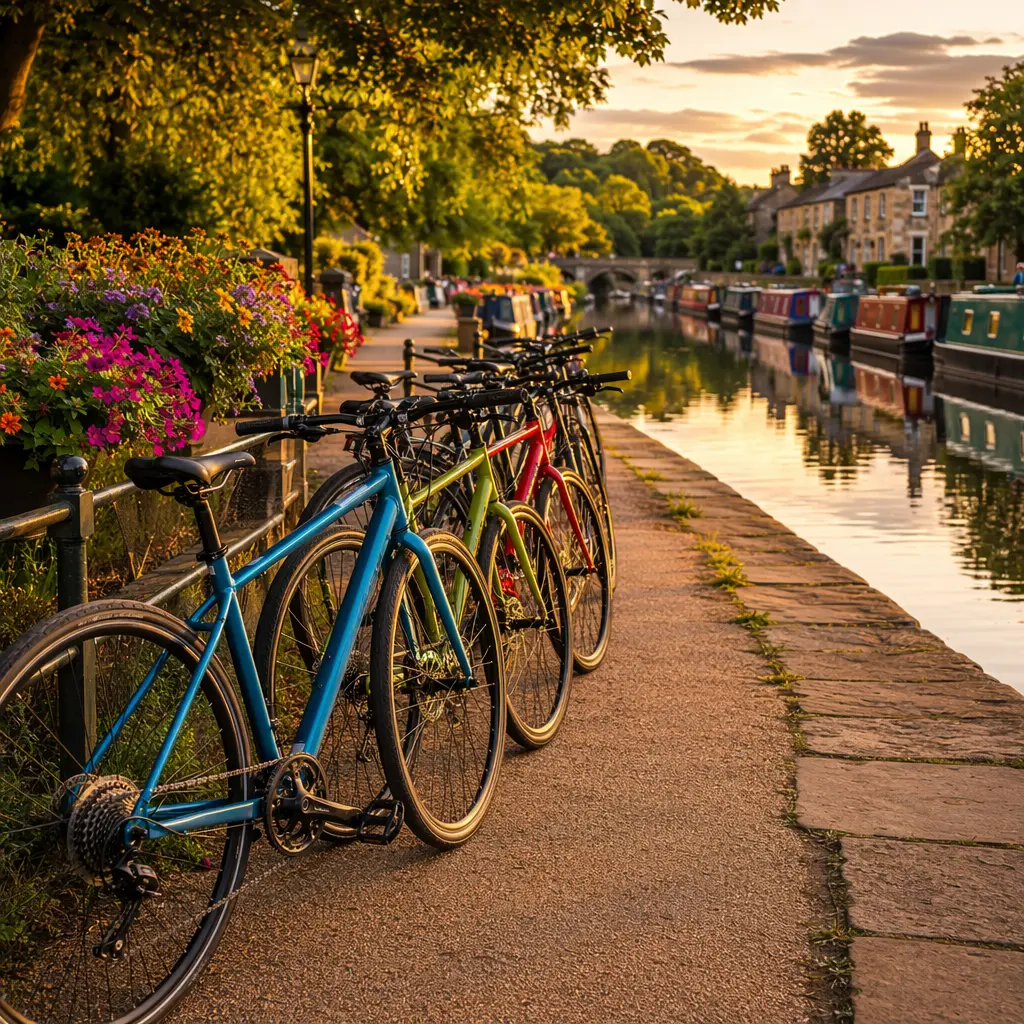
What you actually get at this price
At around £350, most bikes are built to hit a price point rather than a performance target. They’re designed to be usable straight out of the box, but with minimal margin for refinement. At £700, manufacturers have room to upgrade the parts that affect ride quality, reliability and weight.
The gap isn’t about luxury — it’s about consistency. Shifts are cleaner, braking is more predictable and the bike stays in tune for longer. For everyday riding, those differences are felt every single mile.
- Frame: £350 bikes usually use heavier aluminium with simpler shaping; £700 bikes often use lighter alloys with smoother welds and better ride feel
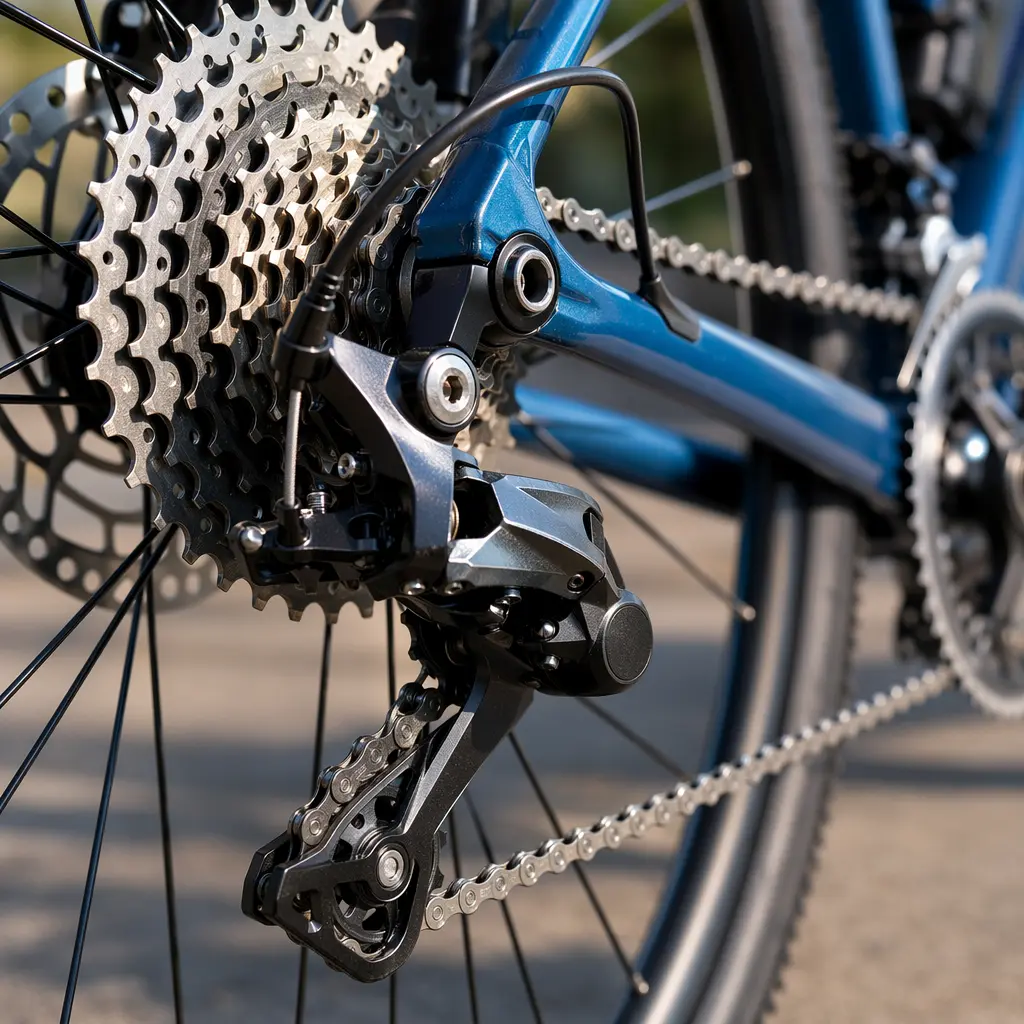
- Groupset: entry-level gears with basic shifters vs mid-range components with stronger springs and crisper indexing
- Brakes: mechanical discs or basic rim brakes vs better-quality mechanical discs or entry-level hydraulics
- Wheels and tyres: heavier rims and wire-bead tyres vs lighter wheels with better puncture protection
- Weight: commonly 2–3kg heavier at £350, which is noticeable on hills and when carrying the bike
- Included extras: £350 bikes may bundle mudguards or racks; £700 bikes often prioritise performance but keep proper mounting points
How to choose
The right budget depends on how often and how far the bike will be used. Occasional short rides on flat routes put far less strain on components than daily commuting or longer weekend rides. Frequency matters as much as mileage.
Fit and geometry also play a role. Cheaper bikes tend to offer fewer frame sizes and more upright, conservative handling. Mid-range bikes usually come in a wider size range with geometry that feels more stable at speed, especially when cornering or descending.
What to look out for
- Very heavy wheels that make acceleration feel sluggish
- Plastic-heavy shifters that wear quickly and lose precision
- Limited gearing range, especially for hills or carrying luggage
- No rack or mudguard mounts despite being sold as a commuter bike
- Cheap saddles and grips that become uncomfortable on longer rides
- Loose tolerances that require frequent adjustment
Worth spending more on
Even if the bike itself stays at £350, a few targeted upgrades can transform how it rides. Tyres are the biggest win: better rubber improves comfort, grip and puncture resistance immediately.
Contact points matter too. Saddles, grips and pedals are chosen to suit an average rider, not necessarily you. Spending modestly here often delivers more comfort than upgrading the frame or gears.
Frequently asked questions
Is a £700 bike twice as good as a £350 bike?
No — but it is usually more than twice as consistent. The improvements are about reliability, smoother performance and reduced maintenance rather than raw speed.
Will a cheaper bike cost more in the long run?
Often, yes. Faster-wearing components, more frequent servicing and earlier replacements can narrow the initial saving over a few years of regular use.
Is second-hand a better option at £350?
A well-maintained used bike can offer better components for the money, but only if condition is verified. Worn drivetrains and tired wheels can quickly erase the value.
Who should stick to the lower budget?
Riders doing occasional short trips, leisure rides or looking for a basic utility bike will often be well served by £350 — provided expectations are realistic.
In short, £350 gets a bike that works; £700 gets one that lasts, rides better and demands less attention. The right choice depends on how much riding is planned — and how quickly small frustrations might add up.
Find these on Amazon
As an Amazon Associate, CheapBikes earns from qualifying purchases.