£700 vs £1,200 gravel bikes: what do you really gain?
Is a £1,200 gravel bike really that much better than a £700 one? This plain-English comparison breaks down which upgrades actually matter for light trails, commuting and long-distance rides — and which don’t.
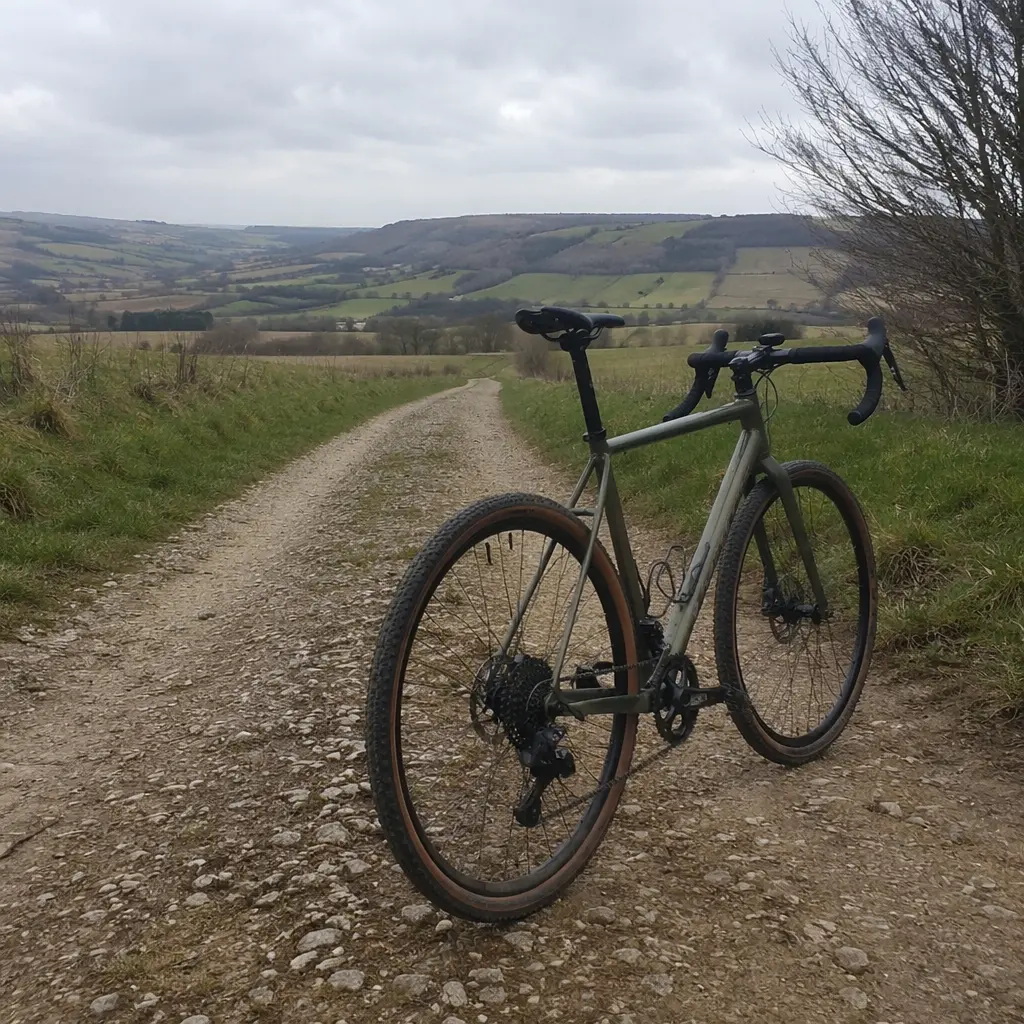
Gravel bikes promise one bike that can do a bit of everything: tarmac, towpaths, forest roads and long days in the saddle. But the jump from around £700 to £1,200 is a big one — and for many UK riders, it’s not obvious what that extra money actually buys. This guide breaks down where the gains really are for light off-road riding and distance, and where cheaper bikes still make sense.
What you actually get at this price
At £700, gravel bikes are built to hit a price point. They’re designed to be versatile and tough, but cost savings show up in weight, components and finishing kit. At £1,200, the fundamentals stay the same — rigid frame, drop bars, wide tyres — but the details improve in ways that affect comfort, reliability and control.
Neither category is “bad”, but they are aimed at slightly different riders. The cheaper end suits mixed commuting and weekend exploring, while the higher budget is about riding further, rougher and with fewer compromises.
- Frame: £700 bikes are usually aluminium with a basic carbon or alloy fork; £1,200 bikes often have lighter tubing and a better carbon fork for vibration damping
- Groupset: mechanical disc brakes and entry-level gravel or road gearing at £700; mid-tier mechanical or even basic hydraulic discs at £1,200
- Gearing: wider-range cassettes and clutched rear derailleurs become more common at the higher price
- Wheels and tyres: heavier wheelsets and wire-bead tyres at £700; lighter rims and better-quality tubeless-ready tyres at £1,200
- Finishing kit: basic saddle, alloy seatpost and bars vs lighter, more ergonomic components
- Mounts: both usually offer rack and mudguard mounts, but £1,200 frames often add extra bottle or bikepacking mounts
How to choose
The key question isn’t how “serious” the bike looks, but how and where it will be ridden. For light trails, bridleways and towpaths, tyre clearance and gearing matter far more than frame material. A £700 gravel bike with room for 40mm tyres can be more capable off-road than a pricier one specced narrowly.
For long-distance riding, comfort becomes the deciding factor. The jump to £1,200 usually brings better vibration damping through the fork, more forgiving tyres and smoother shifting under load. None of these are dramatic on their own, but over five or six hours they add up to less fatigue and fewer niggles.
What to look out for
- Heavy wheels that make the bike feel sluggish off-road
- Very tall gearing that’s fine on roads but tough on steep, loose climbs
- Mechanical disc brakes with poor adjustment or weak stopping power in the wet
- Limited tyre clearance that caps off-road potential
- No tubeless compatibility on wheels or tyres
- Budget saddles that are uncomfortable on longer rides
Worth spending more on
If stretching the budget is an option, brakes are the upgrade that most clearly improve confidence off-road. Hydraulic discs, more common around £1,200, offer better modulation and require less hand effort on long descents. For UK conditions, that’s a real quality-of-life improvement.
Tyres are the other standout. Even on a £700 bike, upgrading to better-quality, tubeless-ready gravel tyres can transform grip and comfort for relatively little money. Saddles, bar tape and pedals are also personal items where small upgrades punch above their weight.
Frequently asked questions
Is a £700 gravel bike capable off-road?
Yes — within limits. Expect it to handle bridleways, towpaths and light forest tracks well, especially with the right tyres. Very rough, technical trails will expose its weight and braking limits.
Does £1,200 buy speed or comfort?
Mostly comfort and control. The bike may feel a bit quicker thanks to lighter wheels, but the bigger gain is reduced fatigue and better handling on uneven ground.
Can a cheaper gravel bike be upgraded later?
To a point. Tyres, saddle and contact points are easy wins. Big upgrades like wheels or brakes can quickly approach the price difference to a better-specced bike.
Which is better for bikepacking?
Both can work, but £1,200 bikes are more likely to have extra mounts, wider gearing and brakes that cope better with added weight on long descents.
In short, £700 gravel bikes are genuinely versatile and good value, but £1,200 buys meaningful gains in comfort, braking and long-distance confidence — especially for riders spending more time off-road.
Find these on Amazon
As an Amazon Associate, CheapBikes earns from qualifying purchases.