£600 vs £1,000 gravel bikes: which suits UK back lanes?
Comparing £600 and £1,000 gravel bikes for UK riding — tyre clearance, gearing and comfort on rough tarmac, lanes and farm tracks, with honest trade-offs to help you choose.
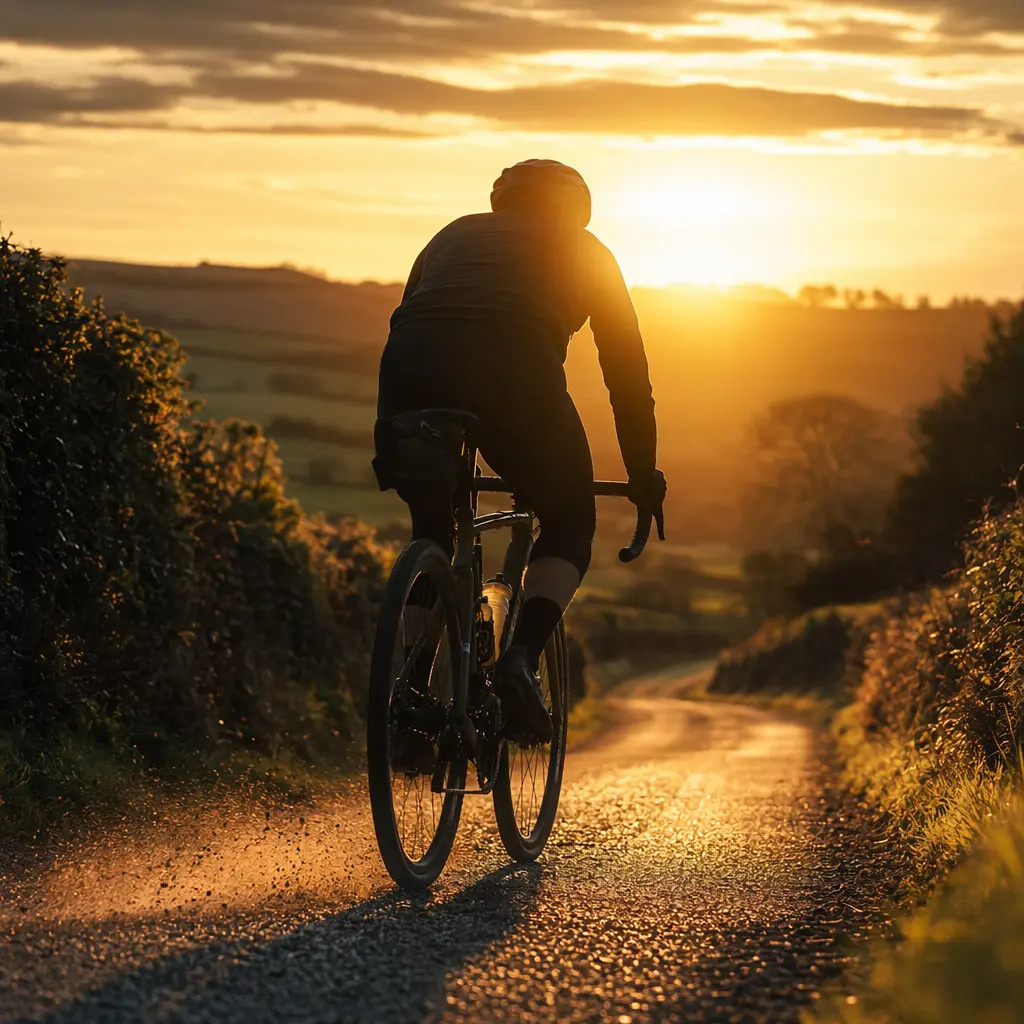
Gravel bikes have become the default answer for UK riders who want one bike to handle potholes, chipseal, towpaths and the odd farm track. But does spending £1,000 really buy a better ride than a £600 option? This comparison looks at what actually changes between these two price points, with a focus on tyre clearance, gearing and comfort on the kind of mixed surfaces British riders face every week.
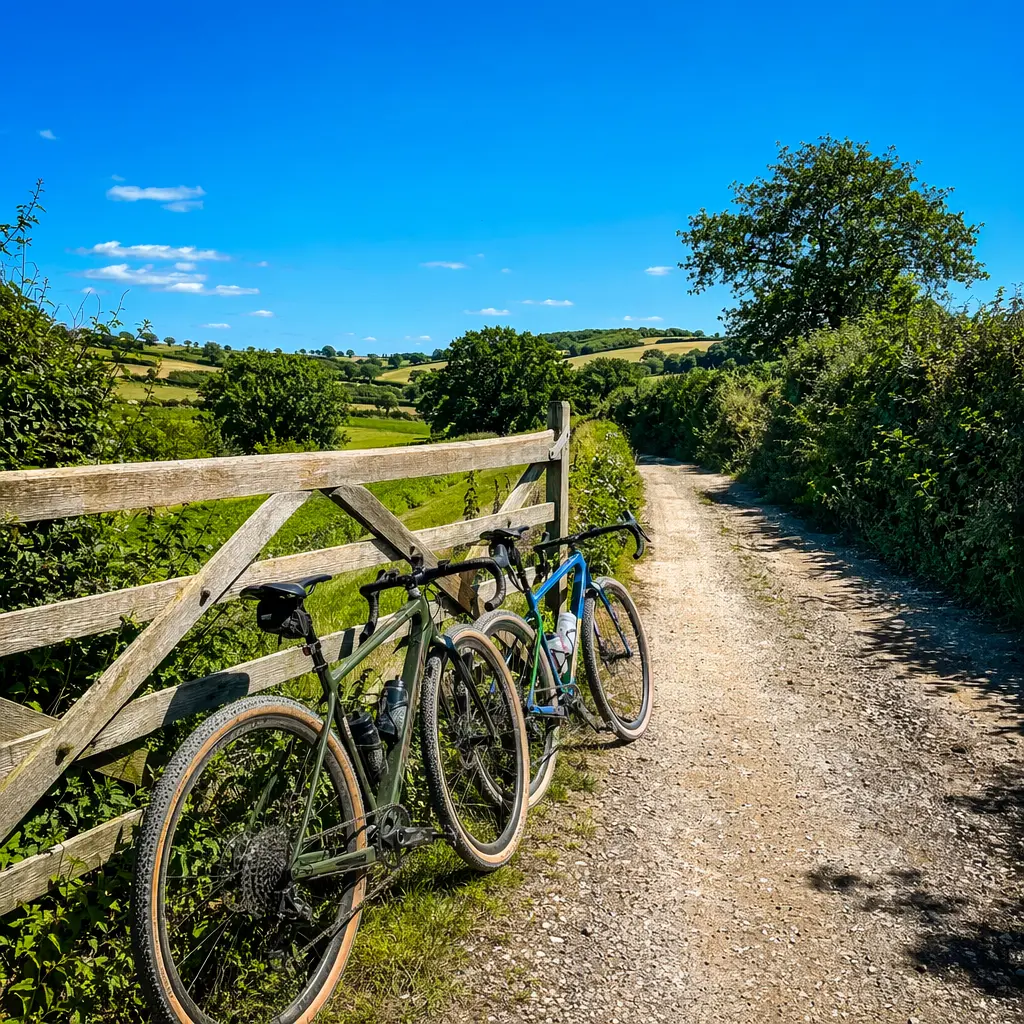
What you actually get at this price
At around £600, gravel bikes are built to hit a price, not a performance target. Frames are usually aluminium with a straight, relatively stiff fork. Expect mechanical disc brakes, basic cable-actuated calipers, and entry-level drivetrain parts designed for durability rather than finesse. These bikes will cope with rough lanes, but they can feel harsh and a bit agricultural.
Move up to £1,000 and the emphasis shifts. Frames are still aluminium, but tube shaping and carbon forks are common, improving vibration damping and steering feel. Brakes tend to be better-quality mechanical discs or entry-level hydraulics. Drivetrains offer wider gearing ranges with more consistent shifting, which matters when gradients kick up on loose surfaces.
- Frame: Aluminium at both prices; £1,000 bikes often add a carbon fork for comfort
- Brakes: Mechanical discs at £600; improved mechanical or hydraulic discs around £1,000
- Gearing: Narrower range and heavier cassettes at £600; wider-range gravel gearing at £1,000
- Tyre clearance: Typically 38–40mm at £600; often 40–45mm at £1,000
- Extras: Few included at £600; better mounts for mudguards and racks at £1,000
How to choose
For UK back lanes, comfort and control matter more than outright speed. Look closely at tyre clearance: the ability to run wider tyres at lower pressures is the single biggest upgrade for broken tarmac and farm tracks. A £600 bike that only takes 38mm tyres will feel harsher than a £1,000 bike happily swallowing 45mm rubber.
Gearing is the other big decision. Cheaper bikes often come with road-biased ratios that are fine on the flat but frustrating on steep, loose climbs. Spending more usually brings lower gears that let riders spin up rutted lanes without grinding to a halt. Fit still matters at both prices, so frame size and reach should never be compromised to save money.
What to look out for
- Heavy wheelsets that blunt acceleration and comfort
- Basic mechanical disc brakes with weak modulation
- Limited tyre clearance that rules out winter-friendly widths
- Road-style gearing unsuited to muddy or steep tracks
- Sparse mounting points for racks and mudguards
Worth spending more on
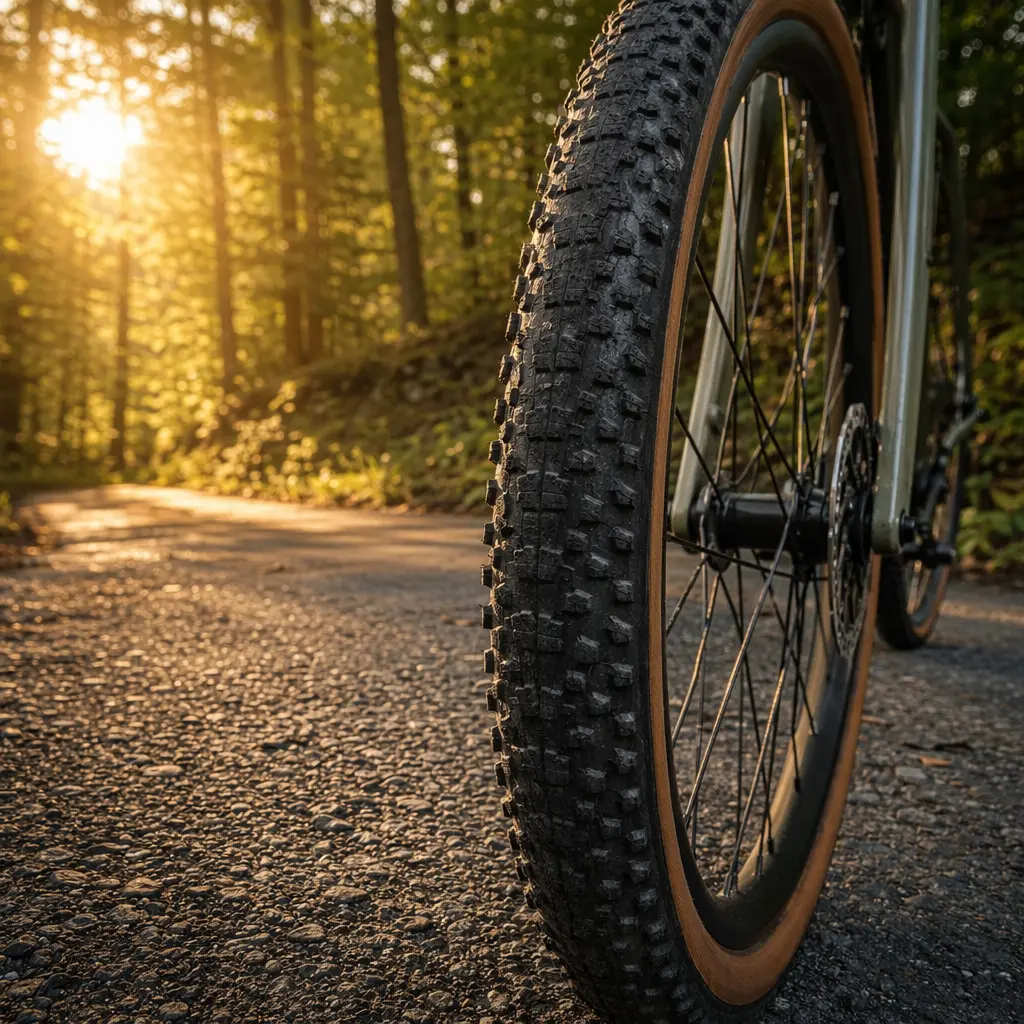
Even if the bike itself stretches the budget, a few upgrades punch well above their weight. Tyres are top of the list: swapping stock rubber for higher-quality, tubeless-ready tyres transforms grip and comfort on broken lanes. Saddles are another personal but worthwhile change, especially on longer mixed-surface rides.
Safety and practicality also deserve attention. A decent helmet, proper lights and a solid lock matter more than shaving a kilo off the frame. Many riders find that a £600 bike with £150 spent on tyres and contact points rides better on UK back lanes than a £1,000 bike left completely stock.
Frequently asked questions
Is £600 enough for gravel riding in the UK?
Yes, for casual riding and shorter routes. £600 gravel bikes can handle towpaths and rough lanes, but comfort and gearing limits become clear on longer or steeper rides.
What does £1,000 really add?
Better comfort, wider gearing and more confidence off-road. The ride feels calmer on broken surfaces, which matters on typical British roads.
Can a cheaper bike be upgraded later?
Tyres, saddle and bars are easy upgrades. Drivetrain and brakes are harder and often uneconomical to replace later.
Which is better for year-round use?
The £1,000 option usually wins thanks to better mudguard clearance, mounts and braking performance in wet conditions.
In short, £600 buys access to gravel riding, while £1,000 buys comfort and confidence on the UK’s worst back lanes — the right choice depends on how often and how far those lanes feature in your riding.
Find these on Amazon
As an Amazon Associate, CheapBikes earns from qualifying purchases.