£400 vs £800 hybrid bikes: what actually improves?
From comfort to gearing and brakes, here’s what really changes when moving from a £400 to an £800 hybrid bike for everyday UK riding — and which upgrades matter most.

Hybrid bikes cover a lot of everyday riding: commuting, shopping trips, canal paths and weekend spins on country lanes. In the UK, £400 and £800 sit at two common buying points. The question is whether doubling the budget actually makes daily riding better, or just lighter on paper. This guide breaks down what genuinely improves — and what stays much the same — when stepping up from a £400 hybrid to one around £800.

What you actually get at this price
At £400, hybrids are built to hit a price target. They are functional, usually reliable, and perfectly capable for short to medium rides. At £800, the focus shifts from simply working to working well — smoother shifting, better braking control, and less fatigue over longer distances.
The jump is less about headline features and more about component quality and finishing. Frames may look similar, but contact points, drivetrain refinement and braking performance are where the difference shows up day after day.
- Frame: both price points usually use aluminium, but £800 frames tend to be lighter with better weld finishing and internal cable routing
- Fork: £400 bikes often have basic steel or entry suspension forks; £800 models more commonly use lighter aluminium or carbon forks
- Gearing: £400 bikes use basic 2x or 3x drivetrains; £800 bikes move to wider-range, smoother-shifting systems
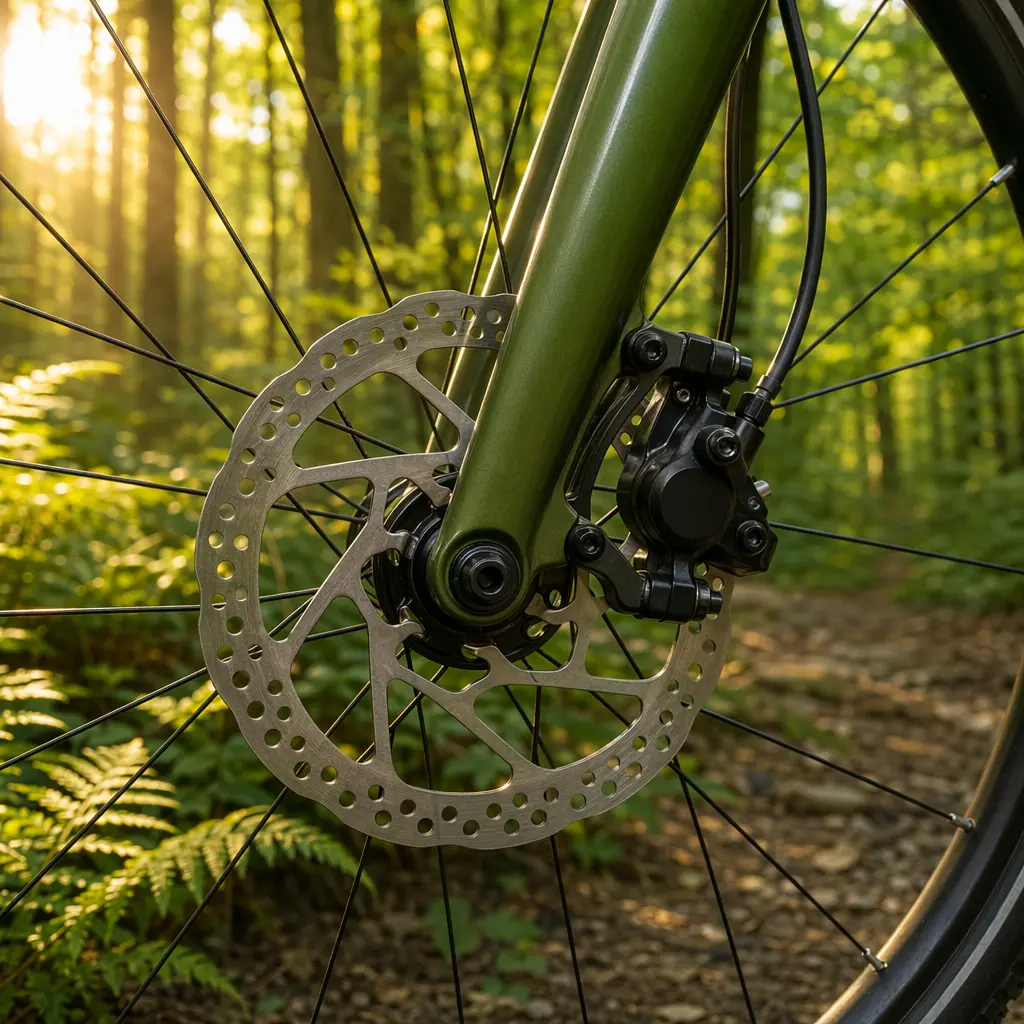
- Brakes: mechanical disc or rim brakes at £400; hydraulic disc brakes are common around £800
- Wheels and tyres: heavier rims and budget tyres at £400; stronger, lighter wheels and better puncture protection at £800
- Extras: mudguards and racks may be included at £400; £800 bikes often have cleaner mounts but fewer bundled accessories
How to choose
Comfort is the biggest real-world difference. £800 hybrids typically have better-shaped handlebars, more forgiving seatposts and higher-quality saddles. Combined with reduced vibration from improved forks and tyres, this matters on longer commutes or rougher roads.
Gearing choice should match terrain. If rides include hills, a wider gear range and cleaner shifting at £800 reduces strain and missed shifts. For flatter routes and short hops, £400 gearing is usually sufficient. Geometry is similar at both prices, so fit still matters more than budget — sizing correctly beats any component upgrade.
What to look out for
- Weight savings that are marginal rather than transformative
- Suspension forks that add weight without meaningful comfort
- Non-hydraulic disc brakes branded to look premium
- Limited tyre clearance on cheaper frames
- Contact points (saddle, grips) that still feel basic even at £800
Worth spending more on
If the budget cannot stretch to £800, a £400 bike plus targeted upgrades can close the gap. Tyres are the single biggest improvement: better rubber reduces rolling resistance and punctures immediately. A quality saddle matched to riding position improves comfort more than frame material.
Safety upgrades punch above their weight too. A strong D-lock, brighter lights and a well-fitting helmet matter regardless of bike price. These items move with the rider, not the bike.
Frequently asked questions
Is an £800 hybrid faster?
Not dramatically. The speed difference comes mainly from smoother tyres and better efficiency, not raw power. The real gain is reduced effort over longer rides.
Do hydraulic brakes really matter for commuting?
Yes, especially in wet UK conditions. They require less hand force and give better control, which is noticeable in traffic and on descents.
Will a £400 hybrid last as long?
With regular maintenance, yes. However, cheaper components wear faster and may need replacing sooner, narrowing the long-term price gap.
Is used better value than new?
A well-maintained used £800-level hybrid can outperform a new £400 bike. Check service history, brake wear and drivetrain condition carefully.
In short, £400 hybrids cover everyday needs, while £800 buys comfort, control and refinement. Choosing depends on ride length, terrain and how much daily enjoyment is worth.
Find these on Amazon
As an Amazon Associate, CheapBikes earns from qualifying purchases.