£300 vs £600 folding bikes: what actually improves?
For mixed train journeys, a £600 folding bike isn’t just pricier — it’s lighter, faster to fold and tougher long-term. Here’s what really changes from £300, and what still doesn’t.
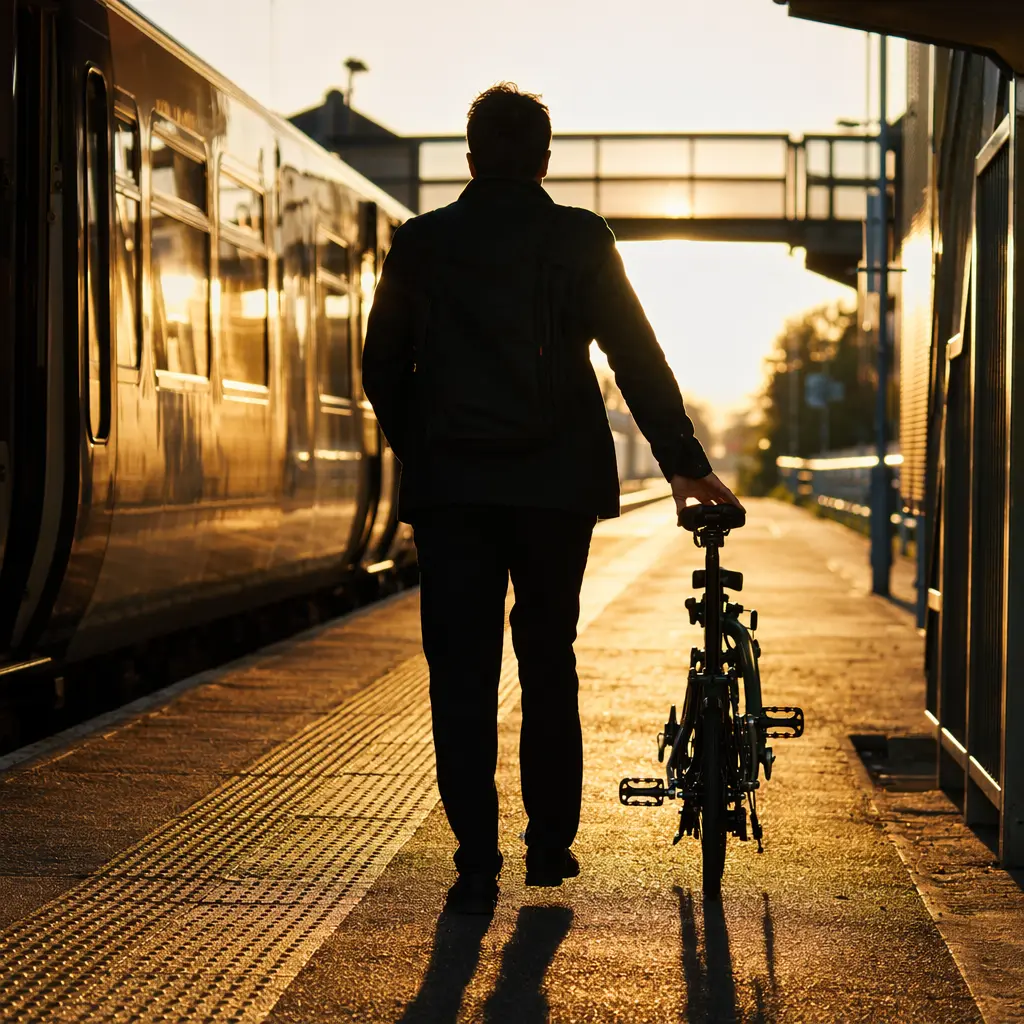
Folding bikes promise an easy answer to mixed train journeys: ride to the station, fold, hop on, unfold and ride away. At £300–£600, though, the experience can be very different. This guide looks at what genuinely improves as the budget rises — weight, fold speed and durability — and where the gains are smaller than expected. It’s aimed at UK commuters who mix cycling with rail travel a few times a week and want to know whether spending closer to £600 actually makes life easier.
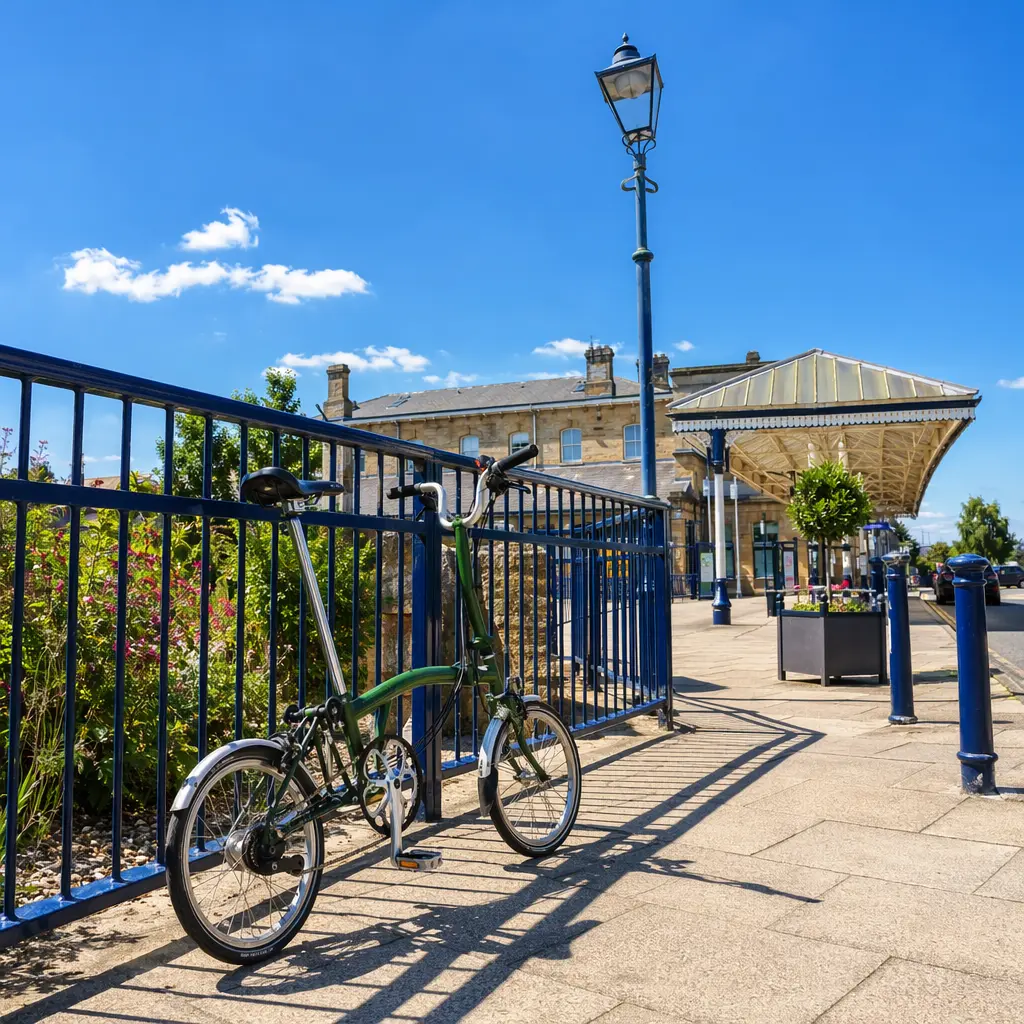
What you actually get at this price
At around £300, folding bikes are built to meet a price first. Frames are usually steel or basic aluminium, components are functional rather than refined, and the folding mechanism is simple. They work — but you notice the compromises every time you lift or fold the bike.
Move closer to £600 and the focus shifts. The bike is still not luxury, but weight drops, hinges feel tighter and components are chosen with daily use in mind. The bike becomes something you can fold quickly on a busy platform without wrestling it.
- Weight: ~13–14kg is common at £300; ~11–12kg is more typical around £600
- Frame: steel or entry-level aluminium (£300) vs better aluminium tubing (£600)
- Drivetrain: basic 6–7 speed derailleur vs wider-range 8–9 speed or internal hub
- Brakes: basic rim brakes vs stronger dual-pivot or entry-level discs
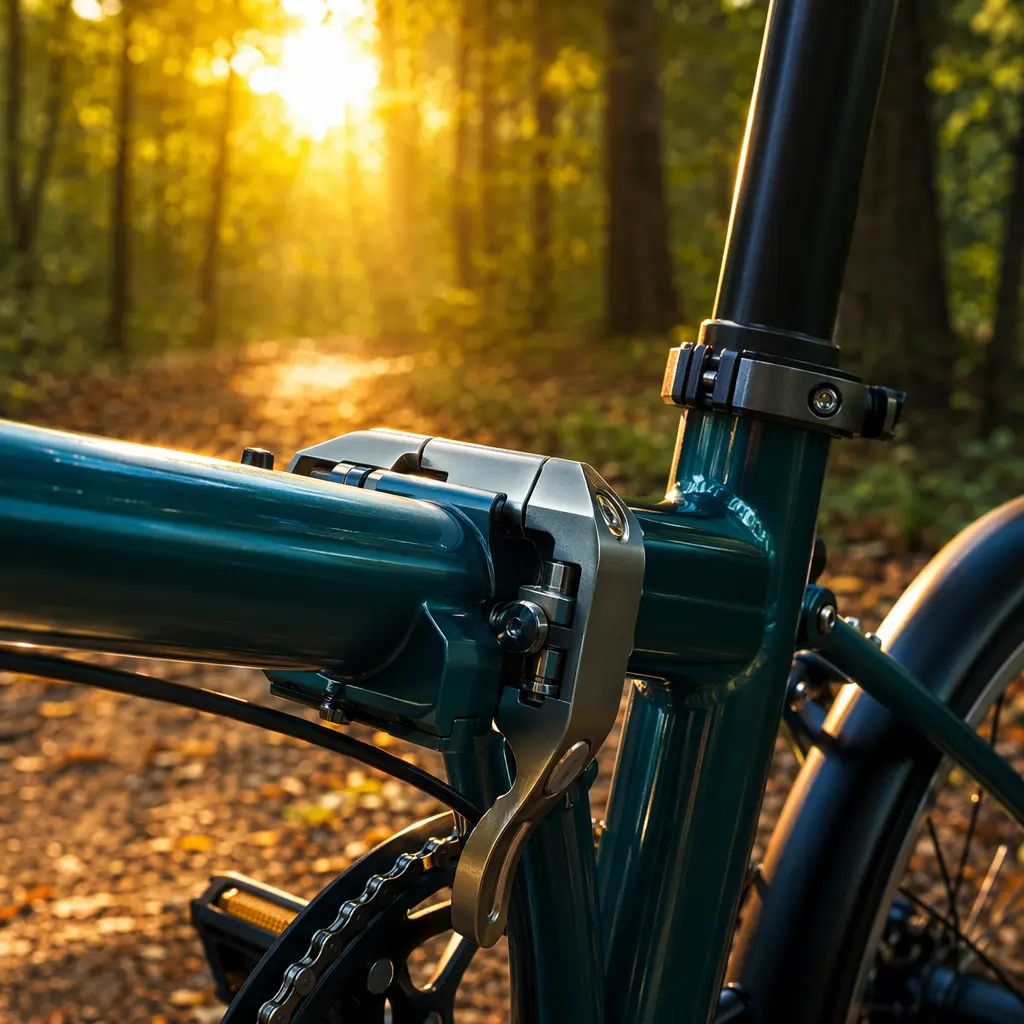
- Folding hardware: simple clamps vs sturdier, quicker-release mechanisms
- Extras: mudguards sometimes included; racks and lights more common at the higher end
How to choose
For mixed train journeys, the bike is handled almost as much as it’s ridden. That makes weight and balance as important as ride quality. A £300 folder can be fine if lifts are short and stations have ramps, but carrying it up stairs or along long platforms quickly highlights every extra kilo.
Fold speed also matters. Cheaper bikes often require several steps and some fiddling to keep the folded package together. At £600, folding is usually quicker and more intuitive, with magnets or latches that stop the bike flopping open while you’re boarding a train. Geometry rarely changes dramatically, but higher-priced bikes tend to feel more stable once rolling, especially with luggage.
What to look out for
- Heavy hinges and clamps that add weight and flex over time
- Slow or awkward folding sequences that cause delays at barriers
- Budget tyres that feel draggy and puncture easily
- Limited gearing that struggles on hills or into headwinds
- Few mounting points for racks or panniers
- Poor-quality wheels that need frequent truing
Worth spending more on
Even with a £300 folding bike, a few targeted upgrades can improve the daily experience. Tyres are the biggest win: better rubber rolls faster, grips better in the wet and cuts punctures. A lighter saddle and decent pedals also reduce the ‘budget bike’ feel.
If buying at £600, check whether these upgrades are already included. Some bikes justify the higher price largely through stronger wheels and better tyres, which matter far more than a slightly fancier shifter when riding to tight train timetables.
Frequently asked questions
Is a £300 folding bike good enough for daily train commuting?
It can be, especially for short rides and infrequent carrying. Expect more weight and slower folding, but the core function works. Durability may be lower with heavy daily use.
Does £600 buy a much better ride?
The ride improves slightly, but the bigger gains are off the bike: easier lifting, quicker folding and fewer rattles over time.
Are internal hub gears worth it?
For commuting, yes. They’re cleaner, lower-maintenance and cope well with frequent folding, though they add cost.
What about buying used?
A well-kept higher-end folding bike can be good value second-hand. Check hinges, clamps and wheel alignment carefully.
In short, £600 doesn’t transform folding bikes into something magical — but for mixed train journeys, it does smooth the daily hassle. If the bike is carried and folded several times a day, the higher budget often pays back in convenience alone.
Find these on Amazon
As an Amazon Associate, CheapBikes earns from qualifying purchases.