Is a gravel bike worth it for mostly tarmac riding?
Gravel bikes promise do‑it‑all versatility. This guide explains who benefits if most rides are on tarmac, and when a simpler, cheaper hybrid or road bike makes more sense.

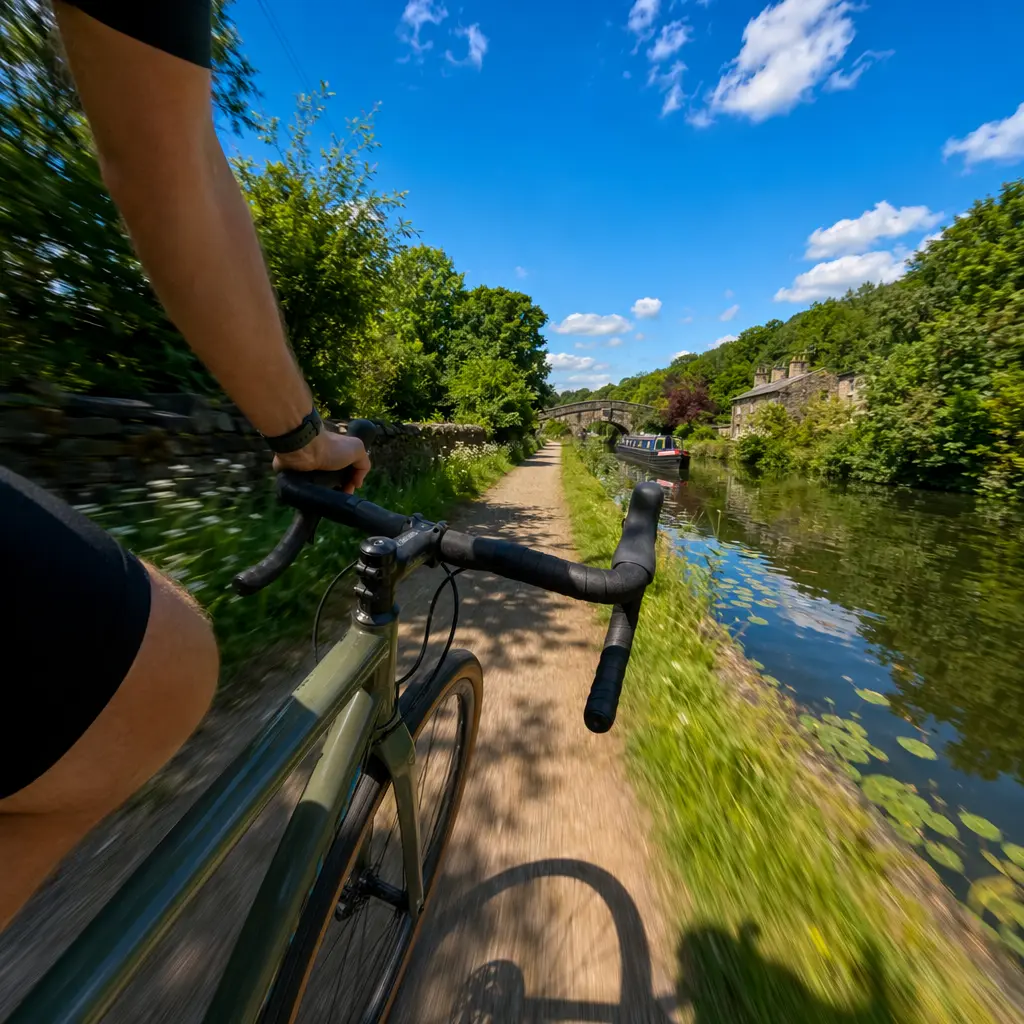
What you actually get at this price
- Frame: aluminium or steel frames are common, prioritising comfort and durability over light weight
- Tyres: wider tyres (typically 35–45mm) that roll well on roads but handle gravel and broken surfaces confidently
- Brakes: disc brakes as standard, usually mechanical or entry-level hydraulic
- Gearing: wide-range gearing for climbs and rough terrain, often lower than a road bike
- Extras: mounting points for mudguards, racks and bikepacking bags are usually included
How to choose
What to look out for
- Slower road feel: wide tyres and relaxed geometry dull acceleration on smooth tarmac
- Extra weight: gravel frames and wheels are often heavier than road-focused alternatives
- Drop bars learning curve: not everyone finds them comfortable or intuitive at first
- Overbuying capability: paying for off-road features that rarely get used
- Tyre choice matters: aggressive tread can add noise and drag on roads
Note

Worth spending more on
Frequently asked questions
Will a gravel bike be slower on the road?
Can a hybrid handle rough shortcuts instead?
Is a gravel bike good for commuting?
Can tyre changes make a gravel bike more road-focused?
Find these on Amazon
As an Amazon Associate, CheapBikes earns from qualifying purchases.
hybrid bikes
commuting
buying guide
gravel bikes
versatility