£400 vs £800 road bikes: how much speed does extra spend buy?
Does doubling the budget really make you faster? A clear, UK-focused look at where £800 road bikes gain speed and comfort over £400 options — and where everyday riders won’t notice much difference.

A £400 road bike and an £800 road bike can look similar at a glance, yet the price gap often raises a big question: how much faster does spending more actually make you? For UK riders using a road bike for fitness, commuting or weekend rides, the answer is more nuanced than simply ‘lighter equals quicker’.
This comparison focuses on everyday riders rather than racers. It looks at where extra money genuinely improves speed, efficiency and ride feel — and where the gains are small enough that fitness, tyres and riding conditions matter far more.
What you actually get at this price
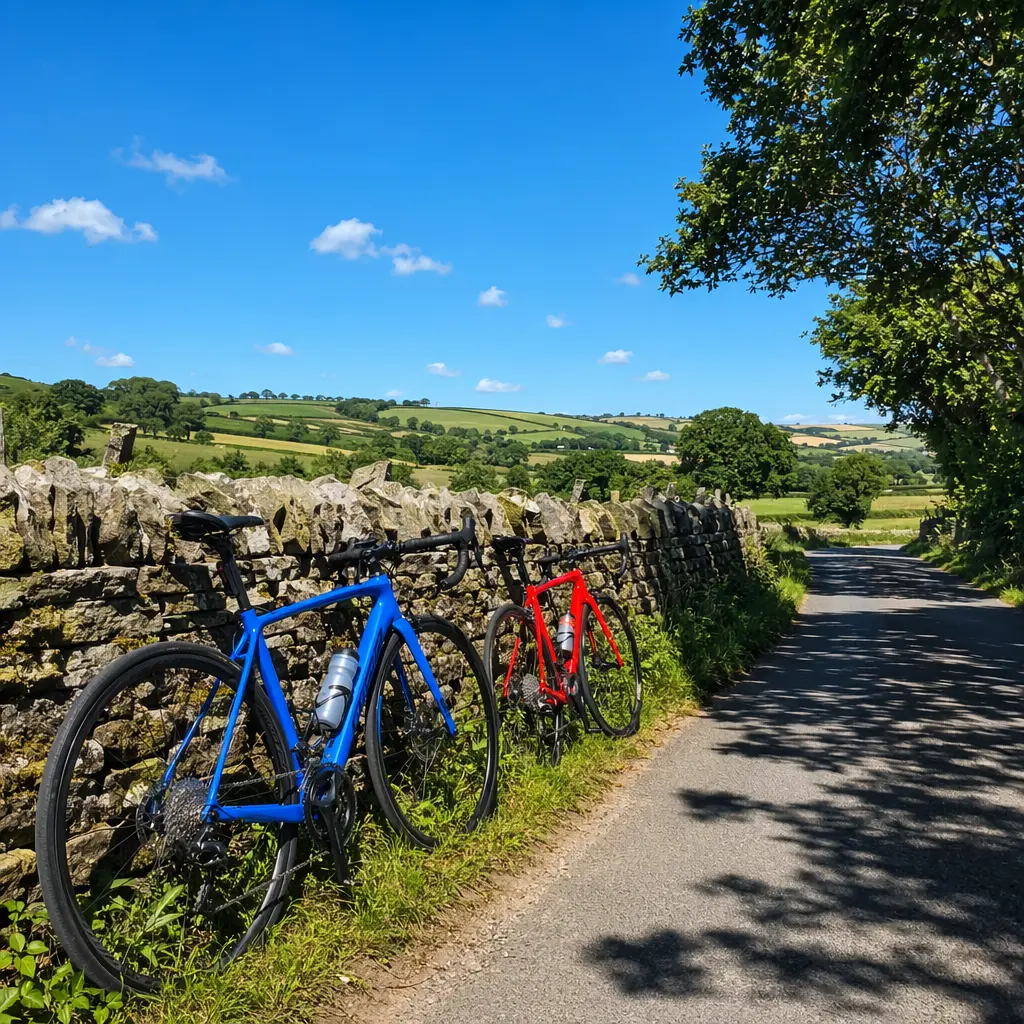
At around £400, most road bikes are built to a tight budget. Frames are usually aluminium, with a relaxed geometry aimed at comfort and stability. Components are functional rather than refined, and weight is rarely a priority.
Move to £800 and the overall package starts to feel more cohesive. Nothing is truly high-end, but the bike is designed to waste less of your effort. Shifting is cleaner, braking more consistent, and the ride generally smoother over rough UK roads.
- Groupset: entry-level at £400 (often mixed components), solid mid-range mechanical at £800
- Brakes: basic rim brakes or cable discs vs stronger calipers or better cable discs
- Frame: aluminium at both prices, but lighter tubing and better finishing at £800
- Gearing: narrower range with bigger jumps at £400; wider, more usable range at £800
- Wheels and tyres: heavy, basic rims vs slightly lighter wheels with better tyres
- Extras: mounts for mudguards and racks common at both levels, lights rarely included
How to choose
If speed is the priority, consider where you actually ride. On flat commutes or gentle weekend loops, the raw speed difference between £400 and £800 bikes is modest. Aerodynamics are similar, and rider position matters more than frame weight.
Where £800 starts to make sense is on longer rides, rolling terrain and poor road surfaces. Better gearing helps you stay in an efficient cadence on climbs, while improved wheels and tyres reduce fatigue. Fit and geometry also matter: a slightly sportier position can feel faster without being uncomfortable.
What to look out for
- Heavy wheels that dull acceleration, especially on cheaper bikes
- Very basic shifters with vague or stiff action
- Limited tyre clearance, restricting comfort upgrades later
- Poor-quality finishing kit (saddle, bar tape, seatpost)
- Frames without mudguard mounts if you plan year-round riding
Worth spending more on
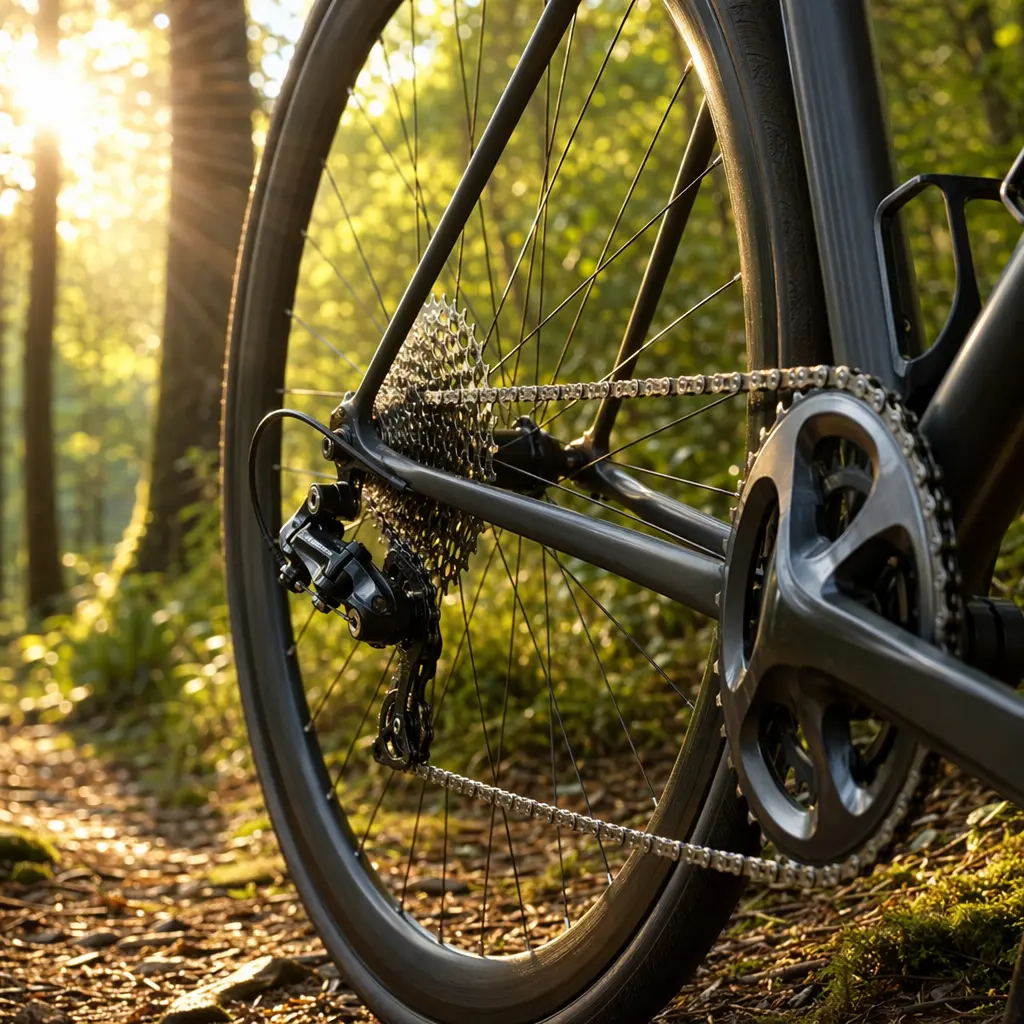
If the budget is tight, it can make sense to buy cheaper and upgrade selectively. Tyres are the single biggest performance upgrade on almost any road bike. Swapping heavy stock tyres for quality rubber can noticeably reduce rolling resistance and improve comfort.
A better saddle and padded bar tape also punch above their weight on longer rides. These upgrades won’t increase top speed, but they help you ride longer and more consistently — which is where real-world speed gains come from.
Frequently asked questions
Is an £800 road bike twice as fast as a £400 one?
No. The speed difference is usually small, especially on flat roads. The main gains are smoother shifting, better climbing efficiency and reduced fatigue over longer distances.
Will weight make a noticeable difference?
An £800 bike may be 1–2kg lighter, which is most noticeable on climbs and when accelerating. For steady riding on the flat, the difference is subtle.
Are disc brakes worth it at these prices?
Cable disc brakes at this level offer better wet-weather confidence but are not dramatically more powerful than good rim brakes. Setup quality matters more than brake type.
Should beginners spend £800 straight away?
Not necessarily. Many riders are better served starting at £400–£500, learning what they value, and upgrading later once riding habits are clear.
In short, £800 buys refinement rather than raw speed. For everyday UK riders, the best value comes from matching the bike to how and where it’s ridden — and remembering that fitness and tyres still beat price tags.
Find these on Amazon
As an Amazon Associate, CheapBikes earns from qualifying purchases.