£180 vs £300 kids’ bikes: where weight and safety improve
Is £300 the tipping point for kids’ bikes? A clear look at how weight, brakes and fit improve over £180 options—and when spending more genuinely helps young riders progress.
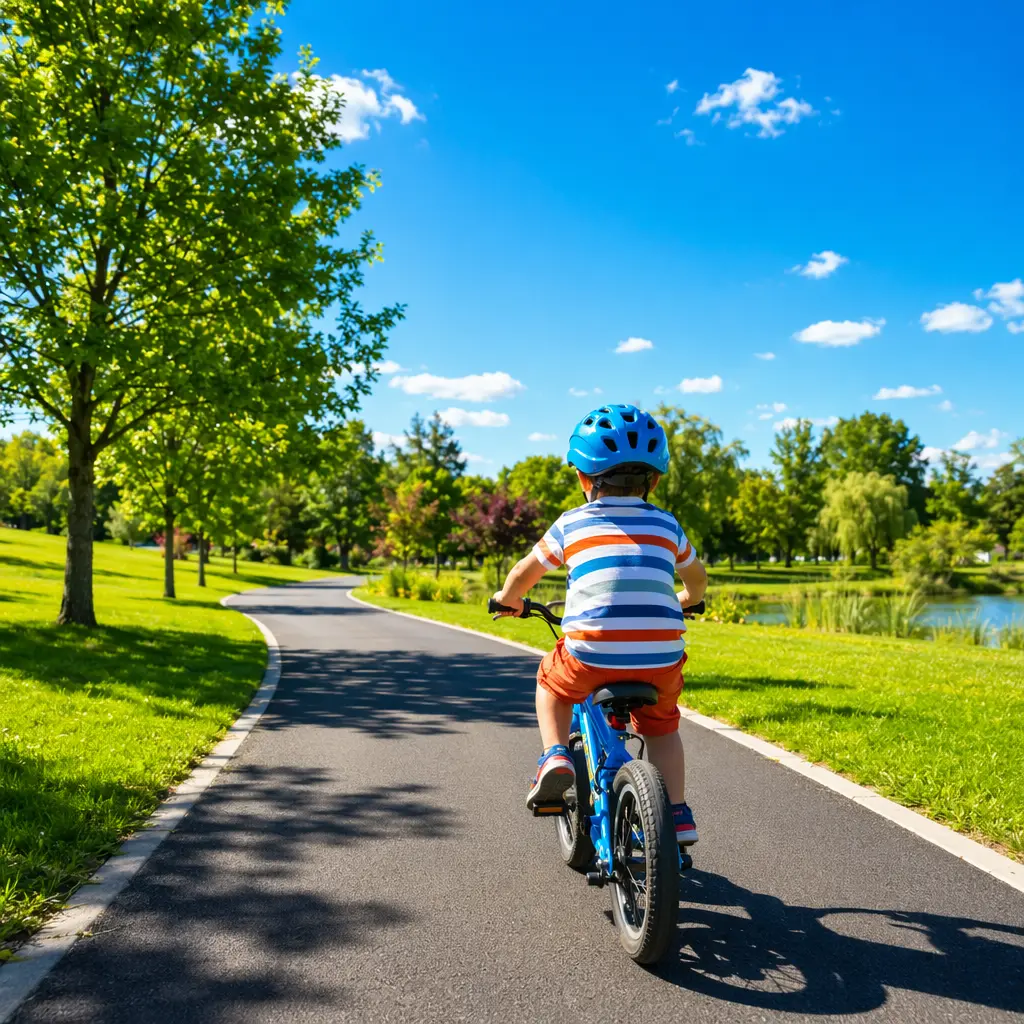
Parents shopping for a kids’ bike quickly hit a familiar question: is a £300 bike really that much better than one around £180? On paper they can look similar—same wheel size, same number of gears—but on the road or cycle path the differences can be stark. This guide looks at where cheaper kids’ bikes tend to hold young riders back, and why the jump to around £300 is often where weight, safety and confidence noticeably improve.
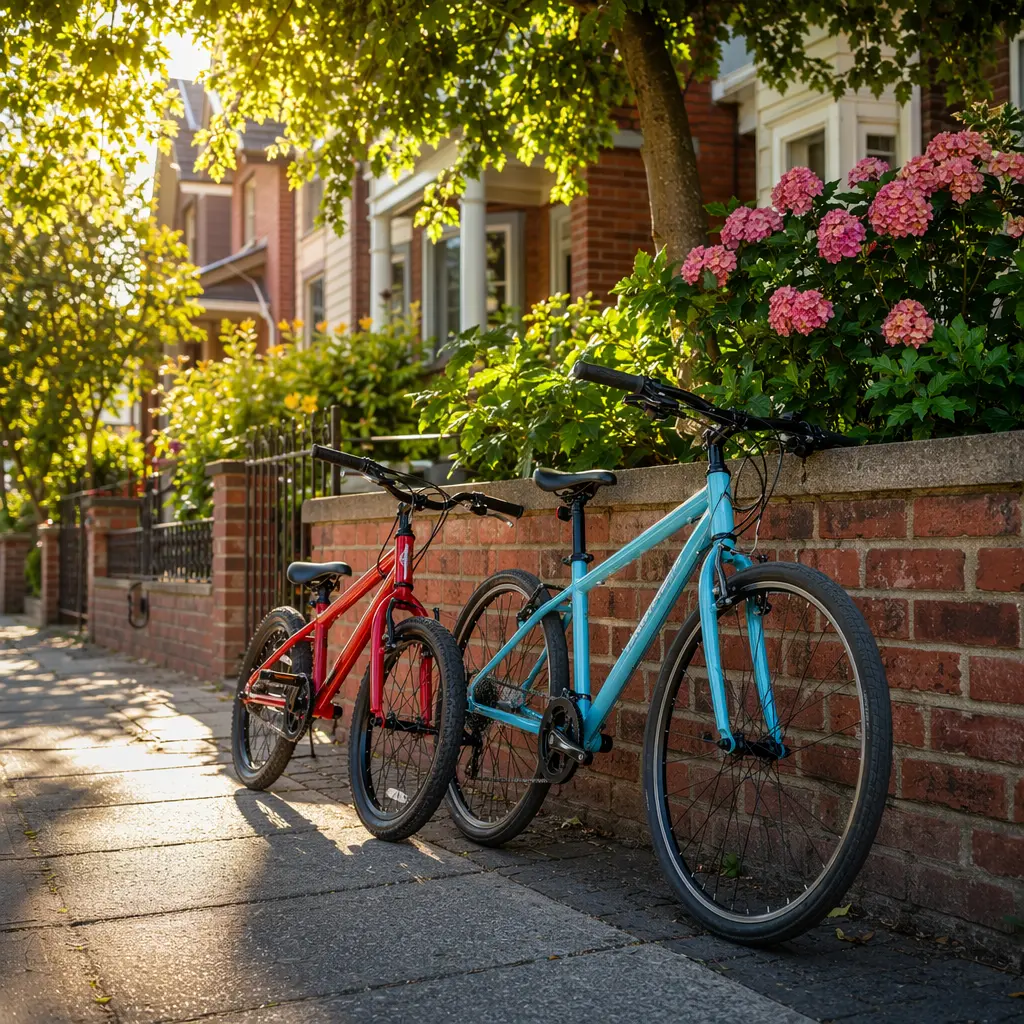
What you actually get at this price
At around £180, most kids’ bikes are built to hit a price rather than a performance target. Frames are usually steel, components are basic, and weight is rarely a design priority. That doesn’t mean they’re unsafe, but it does mean young riders have to work harder to get moving, stop smoothly, and handle the bike with confidence.
Move closer to £300 and the focus shifts. Manufacturers start shaving weight, improving braking control, and paying more attention to child-specific fit. The bike becomes easier to ride, not just tougher to survive knocks and kerbs.
- Frame material: steel is common at £180; aluminium is typical nearer £300, cutting significant weight
- Overall weight: cheaper bikes can be 2–4kg heavier than a £300 equivalent, a big deal for small riders
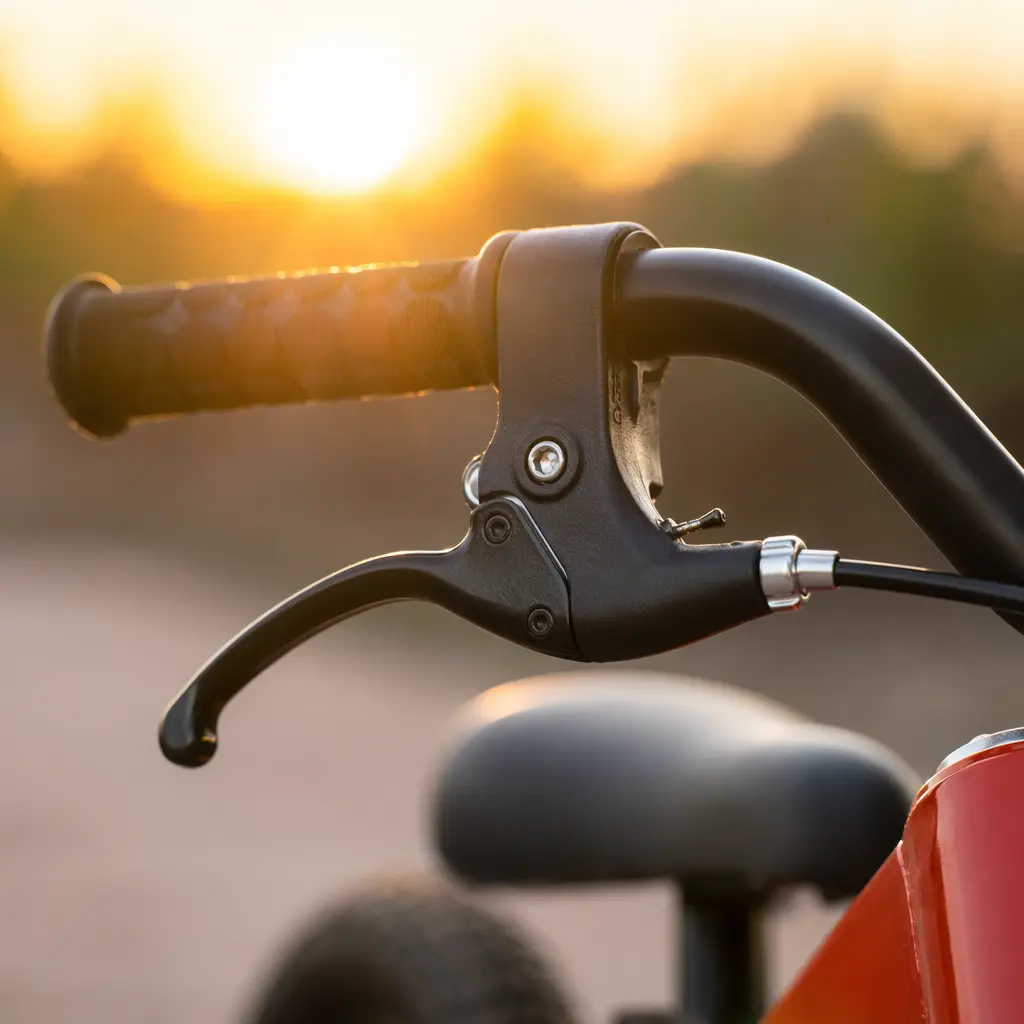
- Brakes: basic V-brakes with stiff levers vs lighter-action V-brakes or entry-level discs with better modulation
- Gearing: limited-range freewheels vs wider-range cassettes that make hills less punishing
- Finishing kit: heavy steel bars and seatposts vs lighter alloy parts
- Safety details: better cable routing, smoother edges and more consistent quality control at higher prices
How to choose
The most important factor isn’t the number on the price tag but how the bike fits and rides for the child using it. A lighter bike with sensible geometry can transform confidence, especially for beginners or smaller children who struggle to control heavy machines.
Think about where the bike will be ridden most. Short school runs and pavements place a premium on easy starts and predictable braking. Longer family rides or traffic-free trails reward lower weight and gears that actually help on small climbs. In many cases, that points towards the better-designed £300 option rather than the cheapest size-appropriate bike.
What to look out for
- Excessive weight: a bike that’s half the child’s body weight is hard to control and discouraging to ride
- Poor brake reach: levers that small hands can’t comfortably pull reduce real-world safety
- Cheap bearings: gritty headsets or hubs make steering and pedalling feel heavy even on flat ground
- Over-gearing: high bottom gears that are tough to turn from a standing start
- Missing mounts: no provision for mudguards or a rear rack limits year-round usefulness
Worth spending more on
If the bike budget is fixed closer to £180, there are still areas where spending a little extra can pay off. Tyres are a big one: lighter, more supple tyres reduce rolling resistance and improve grip far more than most parents expect. Swapping them can make a heavy bike feel noticeably more manageable.
At £300, many of these upgrades are already baked in, but it’s still worth prioritising contact points. A comfortable saddle and grips sized for small hands help children stay relaxed, which in turn improves control and safety.
Frequently asked questions
Is a £180 kids’ bike unsafe?
No—bikes sold by reputable UK retailers meet safety standards. The issue is usability rather than basic safety. Heavier weight and poor brake ergonomics can make riding harder and less enjoyable, which indirectly affects confidence and control.
How much difference does weight really make?
For adults, a couple of kilos might not matter much. For children, it’s huge. A lighter bike accelerates more easily, is simpler to steer, and is less intimidating to handle when stopping or starting.
Should I buy second-hand instead?
Second-hand can be a smart way to reach the £300 quality level for less money, especially as kids outgrow bikes quickly. Check brake function, wheel true and drivetrain wear, and budget for a basic service if needed.
Do gears matter for younger kids?
Not always. For flatter areas, a single-speed can be fine. But once rides include hills or longer distances, usable gears make cycling less tiring and more fun, particularly on heavier bikes.
In short, £180 buys a bike that works, but £300 is often the point where a kids’ bike starts working with the rider rather than against them—making cycling safer, easier and far more enjoyable.
Find these on Amazon
As an Amazon Associate, CheapBikes earns from qualifying purchases.