Best road bikes under £300: what to expect in the UK
A clear, realistic guide to buying a road bike under £300 in the UK. Learn what frames, gearing, brakes and fit you can expect — and the compromises to watch for.
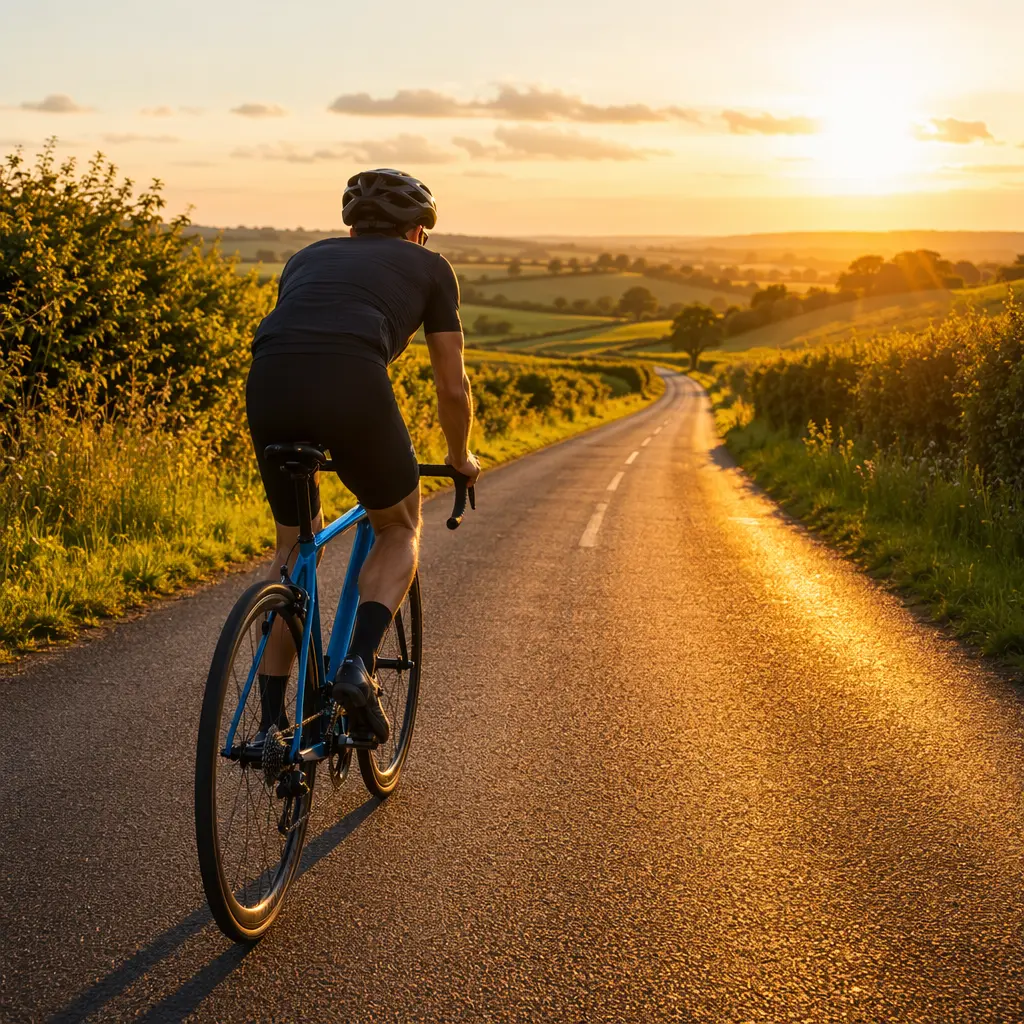
A £300 budget puts you at the very bottom rung of the road-bike ladder. That doesn’t mean you can’t get riding — but it does mean setting expectations correctly. At this price, you’re buying a basic machine for fitness rides, short commutes or testing whether drop-bar cycling is for you, rather than a fast, lightweight mile-muncher.
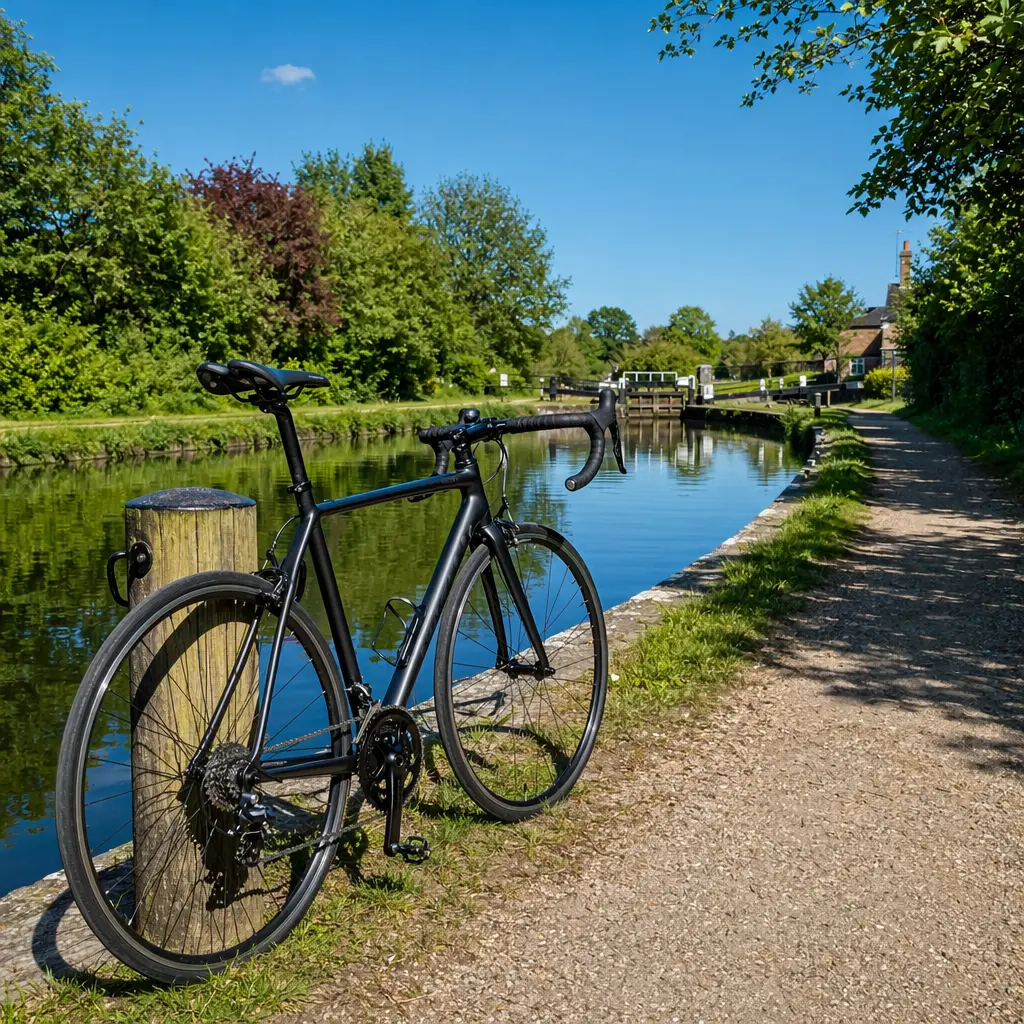
What to look for
When money is tight, prioritise the fundamentals. Fancy materials and wide gear ranges can wait — what matters is a safe, comfortable bike that fits properly and works reliably.
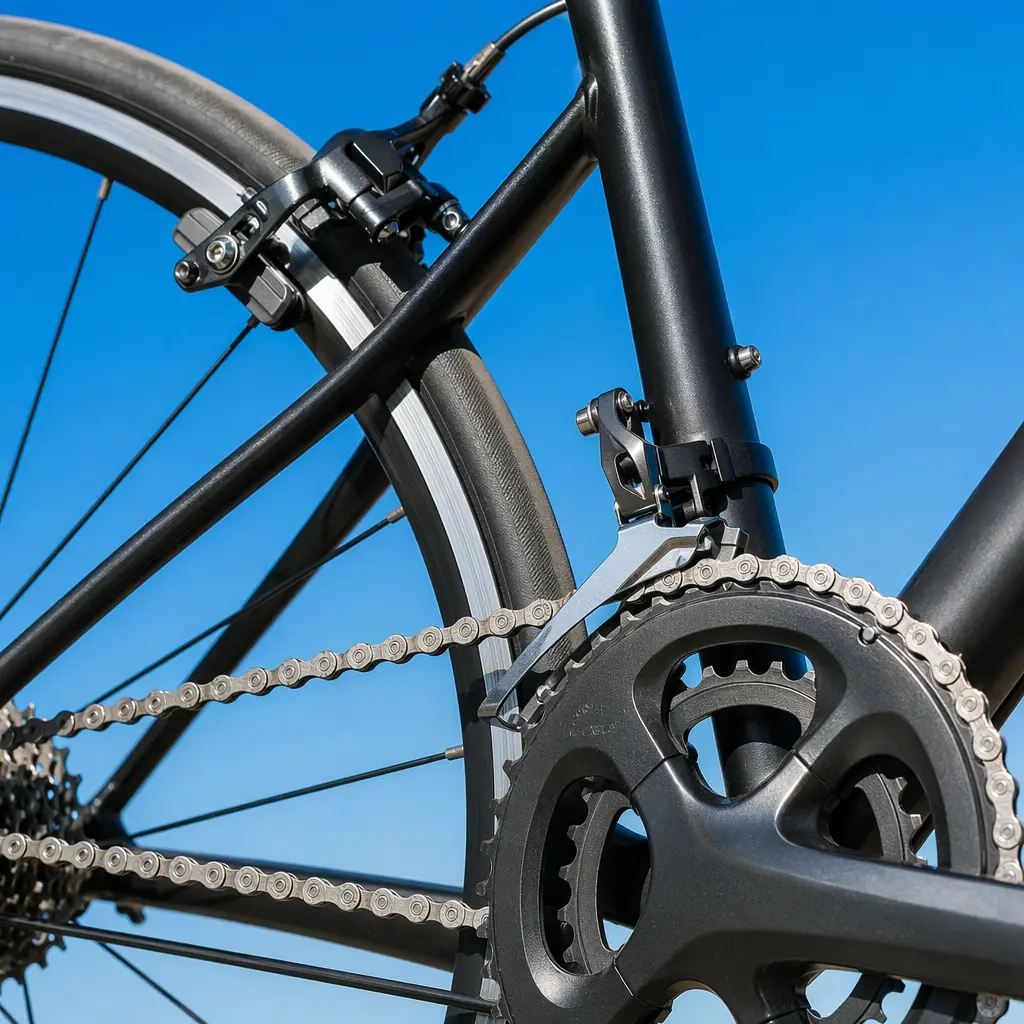
- Gearing: Expect a limited range, often with older-style road or mixed road/MTB components. Hills are manageable, but cadence jumps between gears can be larger.
- Frame material: Steel or basic aluminium is normal. Steel adds weight but can feel forgiving on rough roads; aluminium is lighter but simpler in construction.
- Brake type: Rim brakes dominate at this level. They’re lighter and cheaper, but won’t match disc brakes in wet conditions.
- Geometry: Upright, endurance-style positions are more common than aggressive race setups, which suits beginners.
- Fit: Frame sizing can be coarse, with fewer options. Check standover height and reach carefully.
- Weight: These bikes are heavy by road-bike standards. Expect slower acceleration and more effort on climbs.
- Included accessories: Mudguard mounts are hit-and-miss. Don’t assume racks or guards are included or even compatible.
Budget and what you're getting
Under £300, something has to give. Frames are heavier, components are basic, and finishing kit (wheels, tyres, saddle) is chosen to meet a price rather than impress. Quality control can vary, so expect to fine-tune gears and brakes after purchase — or pay a shop to do it. Longevity is reasonable for casual use, but frequent winter riding may accelerate wear.
Standout categories or types
Within the sub-£300 bracket, there are a few common approaches. Traditional drop-bar road bikes dominate, but some models blur the line between road and fitness bikes.
- Drop-bar entry road bikes: The classic choice, offering multiple hand positions but basic gearing and brakes.
- Flat-bar road bikes: Easier to control and often cheaper, but less aerodynamic and not true road bikes in feel.
- Steel-framed options: Heavier, but sometimes more comfortable on broken UK tarmac and easier to repair.
- Refurbished or clearance bikes: Occasionally better value than brand-new options, if checked carefully.
Frequently asked questions
Can a £300 road bike handle UK hills?
Yes, but expect to work harder. Gearing is usually adequate for rolling terrain, though steep climbs may require standing up rather than spinning comfortably.
Are these bikes suitable for commuting?
They can be, but check for mudguard clearance and tyre width. Many entry-level road bikes struggle with wider tyres and full-length guards.
Will I outgrow it quickly?
If you ride regularly, probably. Many riders upgrade within a year or two as fitness improves and the bike’s weight and gearing become limiting.
Is second-hand a better option?
Often yes, but only if you know what to check. Worn drivetrains and cracked frames can wipe out any savings.
A road bike under £300 is about access, not performance. If you accept the compromises and focus on fit and safety, it can be a useful stepping stone into road cycling — and a clear guide for what you might want to upgrade next.
Find these on Amazon
As an Amazon Associate, CheapBikes earns from qualifying purchases.