Santa Cruz Bronson: the mullet trail bike that made playful mainstream
Since 2013, the Santa Cruz Bronson has blended long-travel confidence with lively handling, helping push mullet-wheel trail bikes into everyday UK riding.
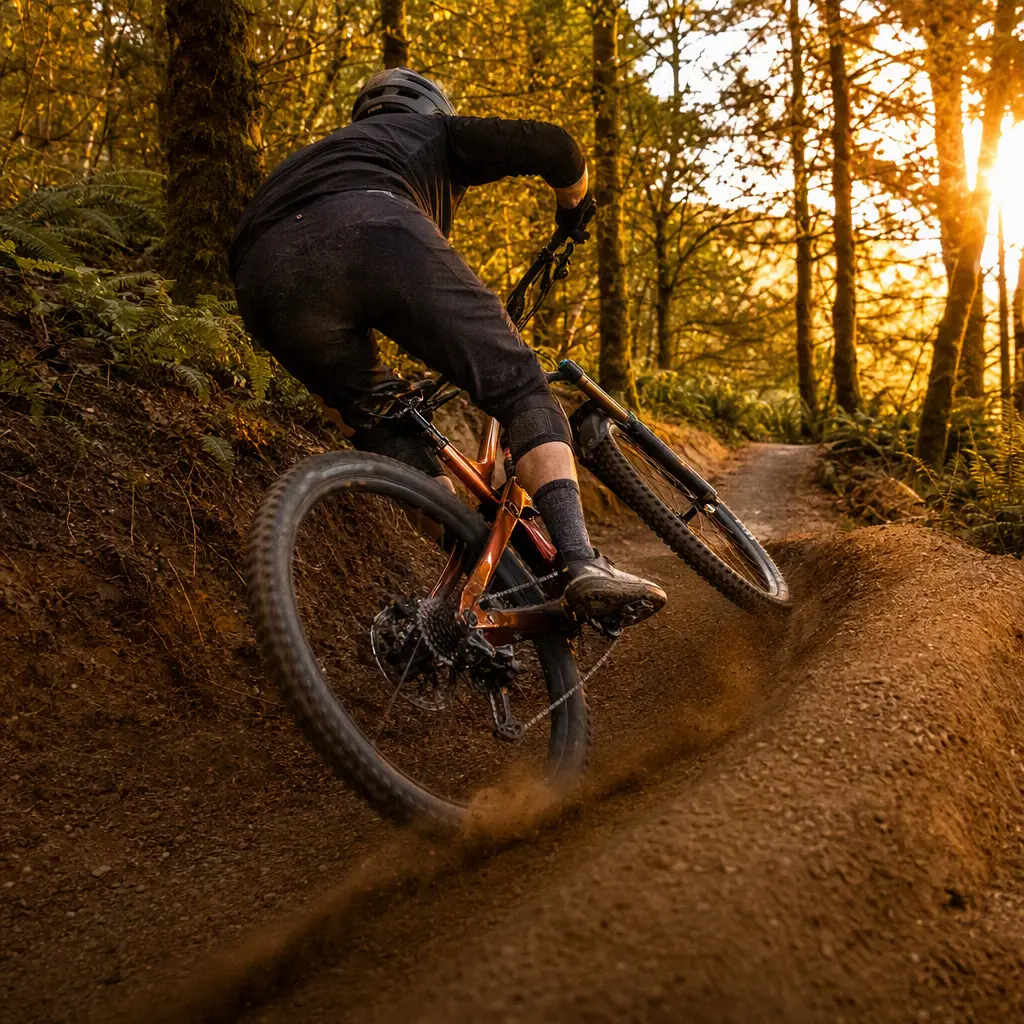
The Santa Cruz Bronson arrived at a point when trail bikes were getting longer, slacker and more capable, but many still felt serious rather than fun. Introduced in 2013, the Bronson landed right in the middle of the growing aggressive-trail category: enough travel for proper mountain descents, but still lively enough for all-day riding. Over time it became one of the defining bikes of the modern trail scene, especially once Santa Cruz leaned fully into the mixed-wheel, or mullet, setup that paired a 29in front wheel with a 27.5in rear. In UK riding terms, that meant a bike equally at home on steep bike-park turns, wet roots in Welsh forests or fast trail-centre laps after work.
Where it came from
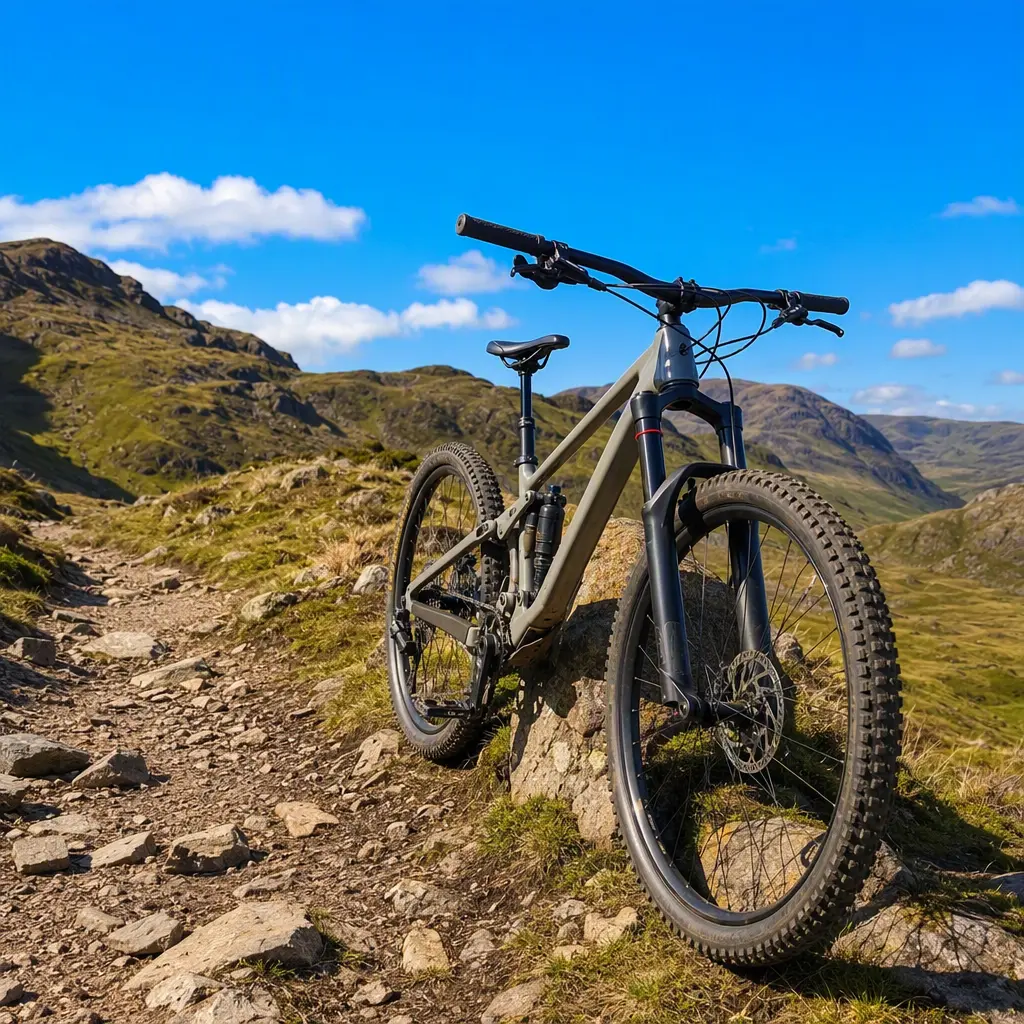
Santa Cruz had already built a strong reputation in mountain biking before the Bronson appeared, particularly among riders who wanted durable frames and downhill-ready confidence without jumping to a full-on gravity bike. The California brand had plenty of credibility in the UK too, helped by a strong dealer network and the rise of trail riding through the 2000s and early 2010s.
The original Bronson launched in 2013 with 27.5in wheels at a time when the industry was still debating wheel sizes. It quickly found favour with riders who wanted something more playful than early 29ers but more stable than older short-travel trail bikes. As geometry evolved, the Bronson steadily became longer, slacker and more capable downhill. The major shift came when Santa Cruz adopted the mullet-wheel format for later generations, giving the bike a big-contact front wheel for grip and rollover while keeping the smaller rear wheel for tighter cornering and easier movement over steep terrain. That setup went from niche experiment to mainstream trend remarkably quickly, and the Bronson was one of the bikes most closely associated with it.
Why it works
A big part of the Bronson's appeal is balance. It sits in that useful middle ground where there is enough suspension travel for rough descents and jumps, but not so much that everyday trail riding becomes hard work. Most versions use around 150mm front and rear travel, putting the bike firmly into aggressive-trail or light enduro territory. For many UK riders, that translates into one-bike versatility: trail centres, uplift days, natural descents and longer pedalling loops are all realistic without major compromise.
Santa Cruz frames have also built a reputation for stiffness and solid finishing. Carbon models dominate the range, though earlier aluminium versions remain popular second-hand. The VPP suspension layout gives the bike a supportive feel under pedalling, helping avoid the wallowy sensation some longer-travel bikes can develop on flatter ground. Geometry has become progressively more modern too, with long reach measurements, low front ends and short rear stays encouraging an active riding style rather than simply pointing downhill and hanging on.
- Mixed-wheel setup on newer generations for sharper handling
- Around 150mm suspension travel suited to aggressive trail riding
- Supportive VPP suspension design with efficient pedalling manners
- Long, slack geometry designed for steep descents and technical terrain
- Wide handlebars, dropper posts and strong tyres typically fitted as standard
- Available in carbon and older aluminium frame versions
Who it’s for
The Bronson suits riders who prioritise descending fun but still need a bike capable of earning its turns on UK climbs and trail loops. It is not really aimed at lightweight cross-country mileage or gentle canal-path riding. Instead, it appeals to riders spending weekends at trail centres, natural mountain routes, uplift parks or technical woodland trails where sharper handling matters. New examples sit firmly in the premium end of the market, commonly well above £4,000 depending on specification, while older used bikes can range from roughly £1,500 for early alloy builds to several thousand pounds for newer carbon versions with high-end suspension.
Variants and what to look for today
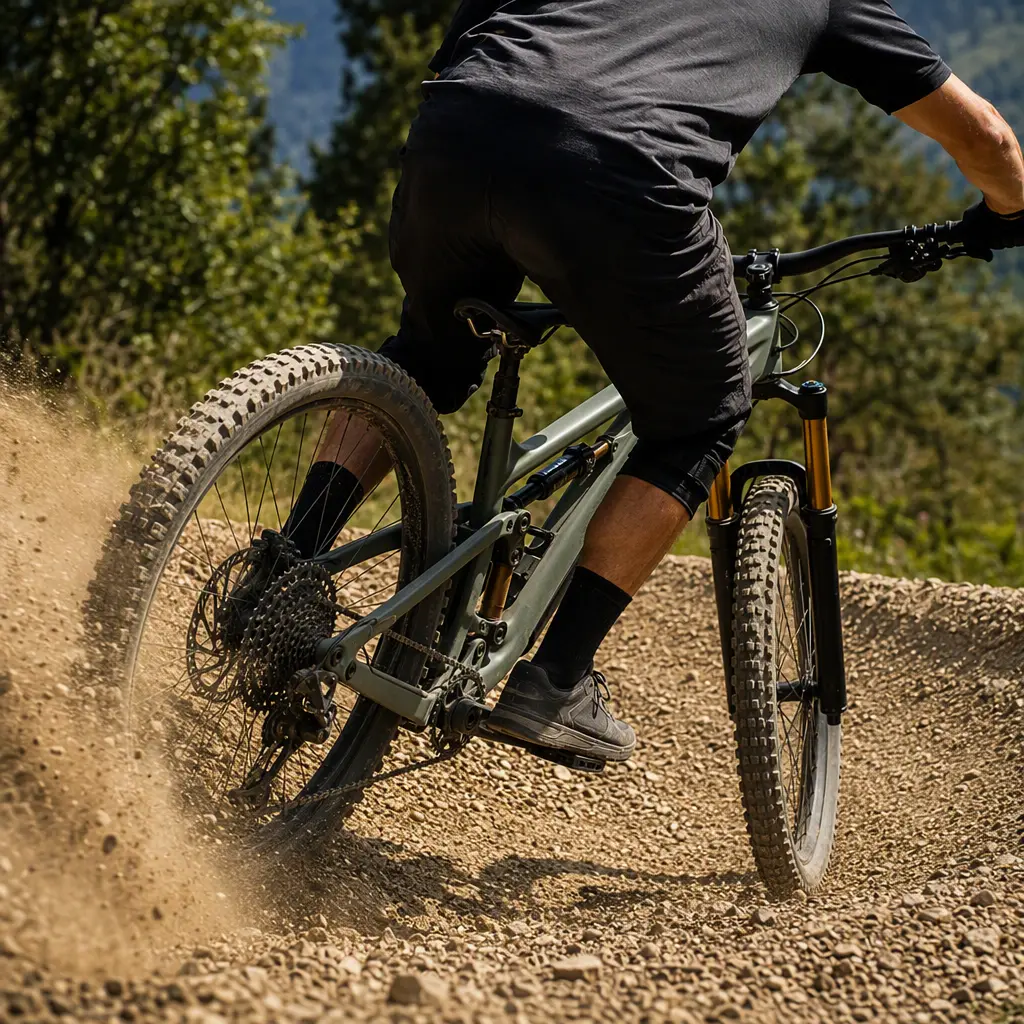
The Bronson family has evolved through several generations rather than countless spin-off models. Early bikes focused on 27.5in wheels and slightly shorter, more compact geometry. Mid-generation versions became more aggressive and capable, while current bikes are closely associated with the mullet setup. Across the range, buyers will generally find entry-level builds with solid but heavier suspension and drivetrain parts, mid-range builds balancing value and performance, and premium versions using top-tier suspension, lightweight carbon wheels and electronic gearing.
Second-hand buyers should pay close attention to suspension servicing and frame condition. Bronsons are often ridden hard, and that is part of the point. Check linkage bearings for play, inspect carbon frames closely around the bottom bracket and chainstay areas, and make sure the rear shock has been serviced regularly. Worn drivetrain parts can add significant cost on premium mountain bikes, particularly where wide-range cassettes and higher-end brakes are involved. Earlier geometry may also feel noticeably tighter and steeper compared with modern trail bikes, which matters if stability on steep descents is the priority.
Frequently asked questions
Is the Bronson an enduro bike or a trail bike?
It sits between the two categories. The Bronson has enough travel and geometry for demanding descents, but it still pedals efficiently enough for everyday trail riding and longer loops.
What is a mullet bike?
A mullet setup combines a 29in front wheel with a 27.5in rear. The larger front wheel improves rollover and grip, while the smaller rear wheel can make the bike feel more agile and easier to move around on steep terrain.
Are older 27.5in Bronsons still worth buying?
Yes, particularly for riders who value agility and a more compact feel. They can still handle demanding trails, though they may feel less stable than newer long-reach mullet versions on very steep descents.
Is the Bronson suitable for everyday UK trail centres?
For riders who enjoy technical features and fast descending, absolutely. It can feel like overkill on flatter routes, but on rougher red and black trails the Bronson's suspension and geometry make much more sense.
More than a decade after launch, the Bronson remains closely tied to the idea of modern playful mountain biking. It helped normalise the idea that aggressive trail bikes did not need to feel cumbersome, and later generations pushed mullet-wheel handling from curiosity into mainstream acceptance. For UK riders wanting one bike that leans hard toward descending fun without becoming a full downhill machine, the Bronson still occupies a very recognisable corner of the market.
Find these on Amazon
As an Amazon Associate, CheapBikes earns from qualifying purchases.