£250 vs £500 mountain bikes: what actually breaks?
Is a £500 mountain bike really tougher than a £250 one? This guide separates cosmetic upgrades from the parts that affect control, durability and trail reliability for UK riders.
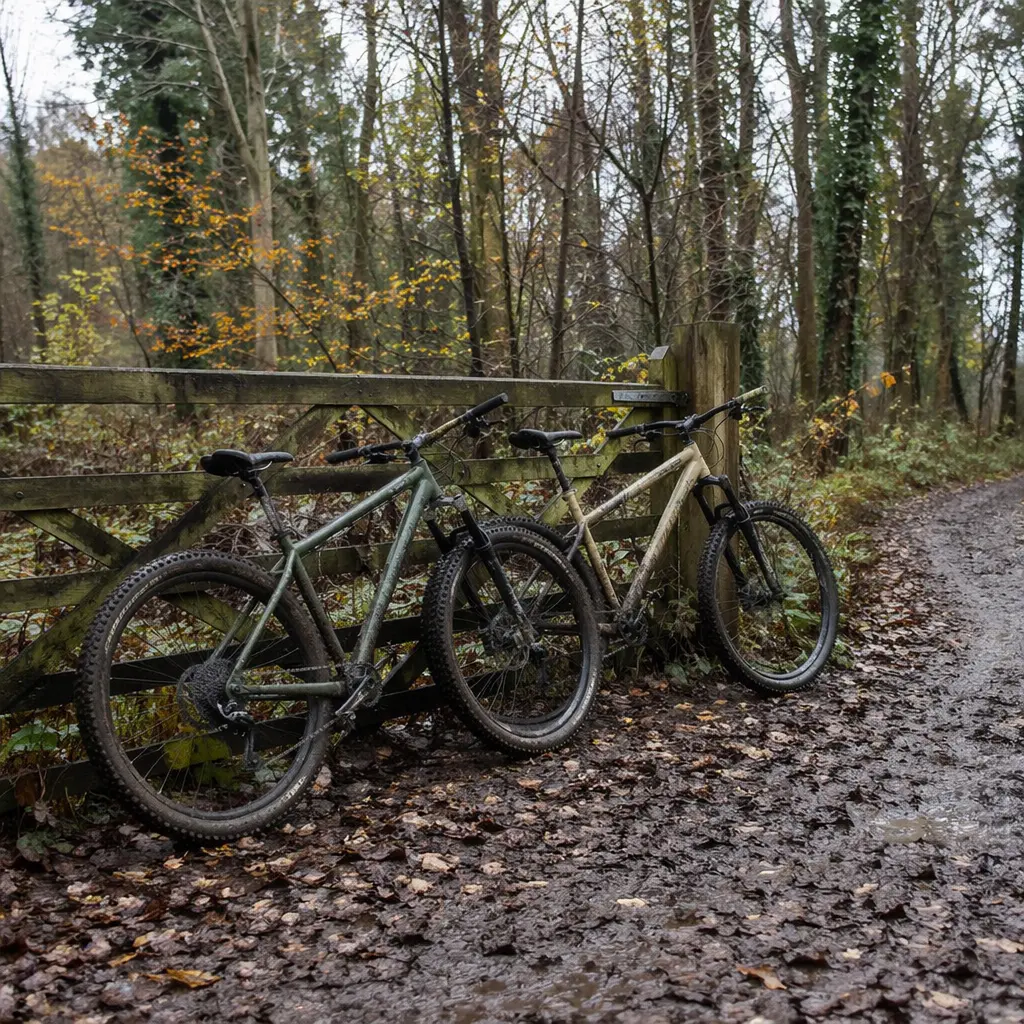
For new or occasional trail riders, the jump from a £250 to a £500 mountain bike can feel huge. On paper, both promise off-road fun. On the trail, the difference often shows up not in speed, but in what bends, slips or simply stops working. This comparison looks at which parts actually fail or limit control, and which upgrades are mostly cosmetic at these prices.
What you actually get at this price
At £250, mountain bikes are built to a strict cost target. They are designed for light trail use, towpaths and the odd rooty section, not repeated hits or steep descents. At £500, there is still compromise, but the extra spend usually goes into parts that affect control and longevity rather than just appearance.
The headline differences are less about frame shape and more about components that move, stop or absorb impact. That is where failures tend to happen.
- Frame material: aluminium at both prices, but £500 frames are usually lighter and better finished
- Fork: basic coil fork with limited damping at £250; stronger internals and smoother action at £500
- Brakes: cable disc brakes at £250; entry-level hydraulic discs at £500
- Gearing: wide-range but basic 3x or 2x setups at £250; simpler 1x systems more common at £500
- Wheels: heavier rims and hubs at £250; stronger rims and sealed bearings more likely at £500
- Extras: reflectors and kickstands at £250; cleaner setups with rack and mudguard mounts at £500
How to choose
Choosing between £250 and £500 should start with where and how you ride. For canal paths, forestry roads and gentle singletrack, a cheaper bike can cope if expectations are realistic. As soon as rides include steeper descents, braking bumps or wet roots, control and reliability matter more than paint finish.
Fit and geometry are also key. Both price points tend to use conservative, upright geometry, but £500 bikes are more likely to offer multiple frame sizes and longer reach, which improves stability on descents. If a bike feels nervous or cramped in the car park, it will feel worse on the trail.
What to look out for
- Forks with lots of travel on paper but little real damping or stiffness
- Cable disc brakes that lose power quickly in wet or muddy conditions
- Soft bolts and fasteners that round off during basic maintenance
- Freewheels instead of freehubs, which wear faster under load
- Heavy wheels that go out of true after a few kerb drops or trail hits
- Limited tyre clearance, restricting future upgrades
Worth spending more on
The biggest real-world difference between £250 and £500 bikes is braking. Hydraulic disc brakes offer more consistent power, better modulation and less hand fatigue, especially on long descents. This is a genuine control upgrade, not a cosmetic one.
Wheels and tyres are the next step up. Stronger rims and better-quality tyres reduce punctures and keep the bike tracking straight. Saddles, grips and pedals are often basic at both prices, but these are easy to upgrade later and do not usually fail on the trail.
Frequently asked questions
Do £250 mountain bikes actually break?
They rarely snap in half, but parts wear quickly. Brakes lose power, gears slip, and wheels go out of true if pushed hard. They are built for lighter use and smoother terrain.
Is a £500 bike good enough for trail centres?
For blue routes and steady riding, yes. Red routes ridden aggressively will still expose limits in suspension and wheels, but a £500 bike is far less likely to end the day early.
Can I upgrade a £250 bike instead?
Upgrading brakes and wheels can cost more than the bike itself. Starting at £500 is usually better value than trying to fix fundamental weaknesses later.
What about buying used?
A well-maintained used bike originally sold for more can outperform a new £500 bike. Check for drivetrain wear, smooth suspension action and straight wheels.
In short, £250 bikes are about access, while £500 bikes are about control and confidence. If trails are part of the plan, spending more up front usually means fewer failures and more riding.
Find these on Amazon
As an Amazon Associate, CheapBikes earns from qualifying purchases.