5 kids’ bikes worth your money this year
A no-nonsense guide to kids’ bikes that focus on low weight, reliable brakes and real durability — not gimmicks. What to expect, what to avoid and how to choose wisely.
Buying a kids’ bike is tricky. Many look exciting on the shop floor but are heavy, hard to control and quickly outgrown. This guide focuses on bikes that prioritise low weight, usable brakes and everyday durability — the things that actually help children ride more confidently and safely, and help parents avoid replacing a bike too soon.
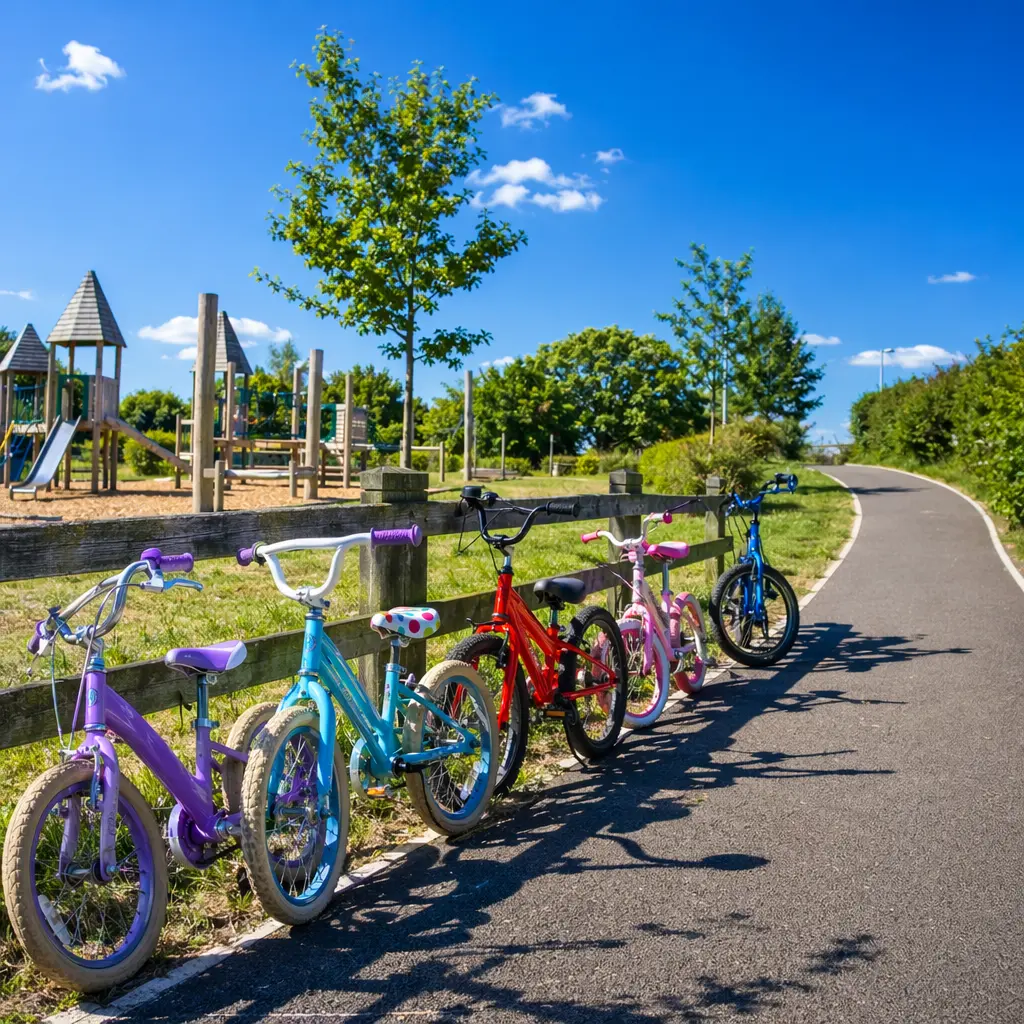
What you actually get at this price
Most decent kids’ bikes sit between balance-bike prices and entry-level adult bikes. At this level, the best value comes from keeping things simple: fewer gears, lighter frames and components sized properly for small hands. Flashy suspension and complex drivetrains are usually a false economy.
Across the five types of kids’ bikes worth considering, expect sensible compromises rather than cutting-edge tech — but done right, these bikes ride far better than cheaper supermarket options.
- Frame: aluminium or lightweight steel, with child-specific geometry
- Brakes: quality rim brakes or basic mechanical disc brakes with short-reach levers
- Gearing: single-speed or simple 6–8 speed setups with limited range
- Weight: typically 7–10kg depending on wheel size
- Extras: usually no suspension; mudguard or rack mounts are a bonus, not guaranteed
How to choose
The single biggest factor is fit. Wheel size matters, but so do standover height, reach and brake lever size. A lighter bike that fits properly will always be easier to ride than a heavier one with more features. If a child struggles to lift or manoeuvre the bike, confidence drops quickly.
Think about where the bike will be ridden most. Pavement and park riding favours lighter tyres and simpler gearing. Mixed paths and canal towpaths benefit from slightly wider tyres and reliable brakes. Off-road-focused bikes should still avoid unnecessary suspension at smaller sizes — it adds weight with little real benefit.
What to look out for
- Excessive weight caused by steel forks or unnecessary suspension
- Twist shifters that are stiff or hard for small hands to operate
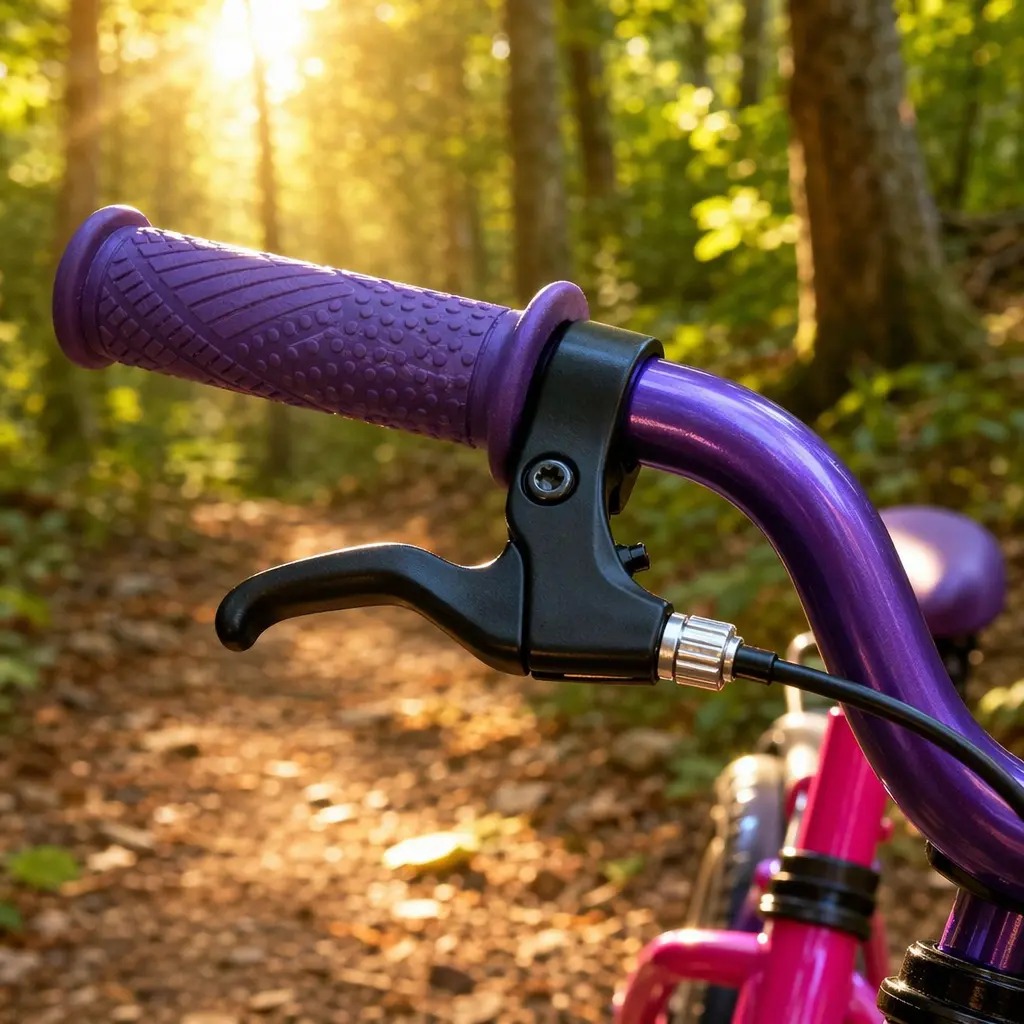
- Poor-quality brakes that need adult-strength hands to stop
- Very knobbly tyres that slow riding on roads and paths
- Decorative accessories that add weight but no function
Worth spending more on
On kids’ bikes, weight and brakes are where extra money pays off fastest. A lighter wheelset or better brake calipers can make a noticeable difference to control and enjoyment. These improvements help children ride further and with less fatigue.
Beyond the bike itself, a comfortable saddle, decent tyres and a properly fitting helmet often deliver more benefit than upgrading gears or adding accessories. These are also items that can sometimes move with the child to their next bike.
Frequently asked questions
Is suspension ever worth it on kids’ bikes?
At smaller wheel sizes, suspension usually adds weight without meaningful performance gains. For most children riding paths, parks and light trails, rigid forks are lighter, simpler and easier to control.
How long should a kids’ bike last?
A well-chosen bike should comfortably last two to three years of regular riding. Prioritising fit and durability over features helps extend that useful lifespan.
Are second-hand kids’ bikes a good idea?
Often, yes. Kids’ bikes see limited mileage. Check brake function, wheel alignment and drivetrain wear, and budget for a basic service if needed.
Do kids really need gears?
Not always. Single-speed bikes are lighter and simpler, and work well on flatter routes. Gears become useful once rides get longer or hillier.
In short, the best kids’ bikes are the ones that are light, easy to stop and tough enough to survive everyday use — not the ones with the most features. Choose carefully, and riding will be more fun for everyone.
Find these on Amazon
As an Amazon Associate, CheapBikes earns from qualifying purchases.