Early Rider Belter: the kids’ bike that ditched chains
Early Rider’s Belter range swapped chains for belts on kids’ bikes — a quiet, clean idea that stuck. Here’s where it fits in the UK market, why parents rate it, and what to check today.
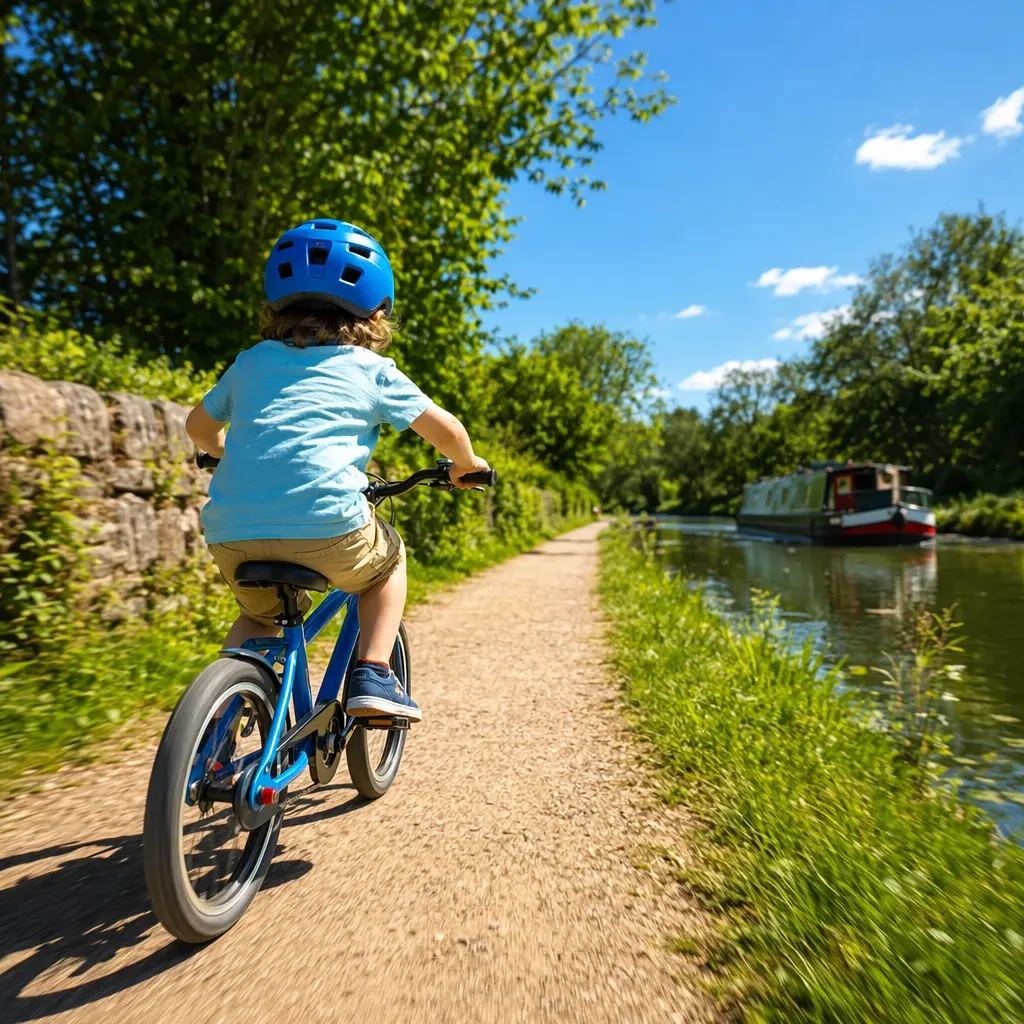
The Early Rider Belter is the kids’ bike family that made belt drive feel like common sense. In a UK market long dominated by small, chain-driven bikes that needed constant fettling, the Belter arrived with a quieter, cleaner drivetrain and a clear promise: fewer Saturday mornings fixing dropped chains, more time riding. It sits at the premium end of children’s bikes, but its reputation has been built on everyday practicality rather than flash.
Where it came from
Early Rider is a British brand best known for taking children’s bikes seriously — lighter frames, sensible geometry and components chosen for small riders rather than miniaturised adult parts. The Belter family emerged as part of that thinking, adopting belt drive at a time when it was still unusual outside commuter bikes.
In the UK, the range has been sold through independent bike shops and specialist kids’ retailers rather than big-box chains. That distribution matters: Belters tend to be assembled and sized by people who understand kids’ fit, and the bikes have quietly built a following among parents who ride themselves and value low maintenance. Over time, the idea of a belt on a child’s bike has gone from novelty to expectation in this price bracket.
Why it works
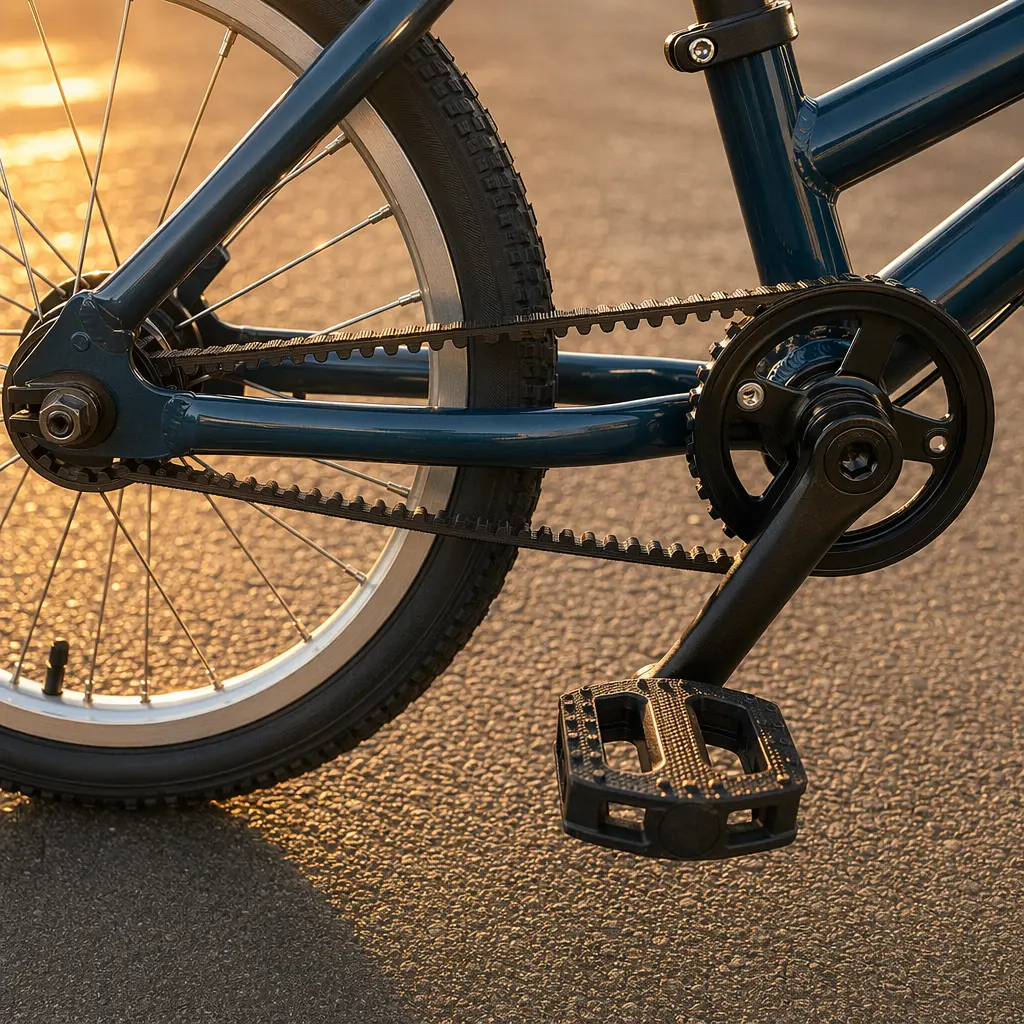
The headline is the belt drive. With no chain to oil, stretch or snag trousers, the Belter feels cleaner and calmer around the house and at the school gates. It’s typically paired with a simple single-speed setup, which suits young riders learning cadence and balance without the complication of gears.
Beyond the drivetrain, the family sticks to a few consistent design choices: lightweight aluminium frames, child-specific geometry that keeps reach sensible, and touchpoints sized for small hands. Brakes are chosen for easy modulation rather than outright power, and tyres favour grip and comfort over race-day speed.
- Belt drive: quiet, rust-free and low maintenance
- Single-speed simplicity for early pedallers
- Lightweight frames that kids can actually lift
- Narrow Q-factor and short cranks for smaller bodies
- Room for mudguards on everyday-friendly builds
Who it’s for
The Belter is aimed at families who want a dependable, everyday kids’ bike rather than the cheapest option on the shelf. It suits nursery runs, park loops and weekend pottering more than bike-park jumps. New prices usually sit in the mid-to-high hundreds of pounds depending on size, which makes it a considered purchase — but one that often gets passed down to siblings thanks to its durability.
Variants and what to look for today
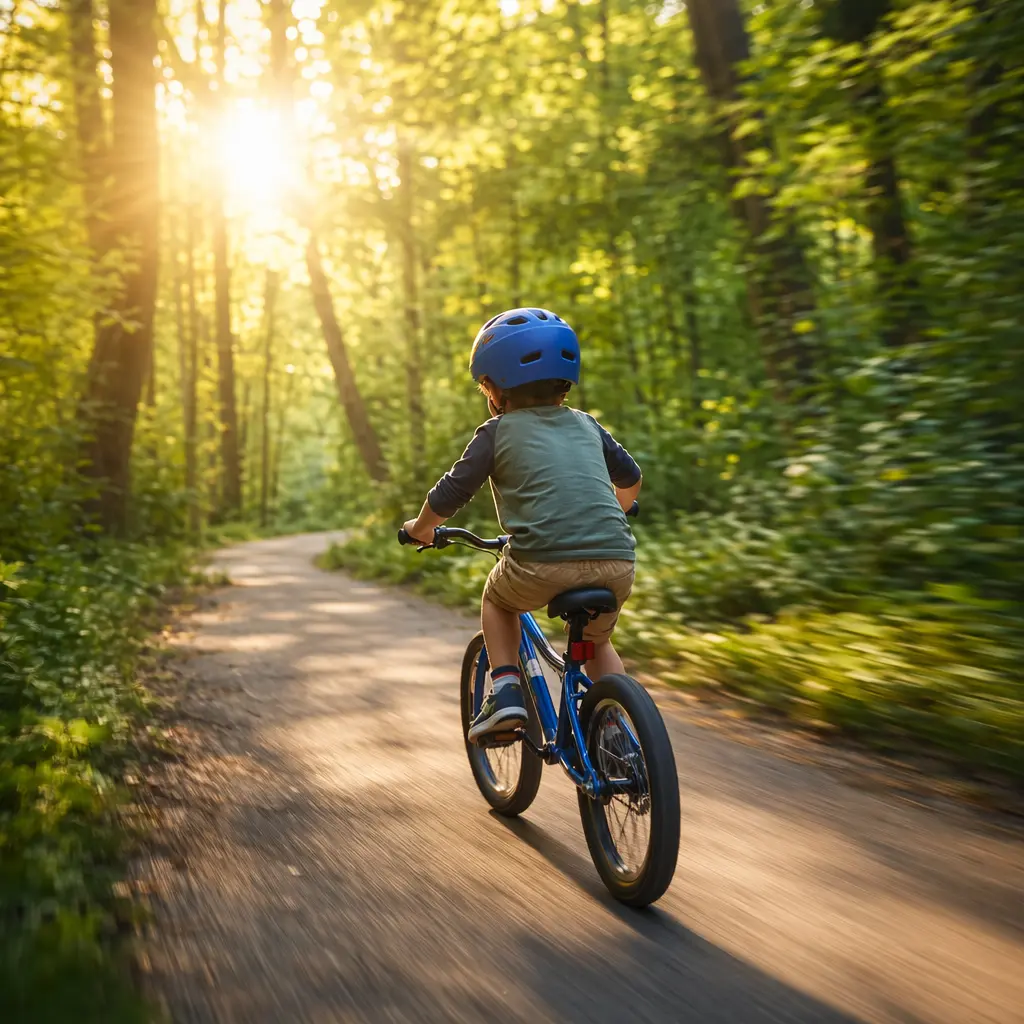
Within the Belter family, differences tend to be about wheel size and trim rather than radically different models. Expect an entry option aimed at first pedal strokes, a mid-range size for confident young riders, and larger versions that stretch into early primary-school years. Finishes and component choices have evolved, but the core formula stays the same.
If you’re buying second-hand, the belt itself is the key check. Look for fraying or missing teeth and make sure the rear sprocket runs true. Replacement belts are available, but they’re pricier than chains. Also check brake lever reach (small hands need adjustability), wheel trueness, and that the seatpost hasn’t seized — a common issue on kids’ bikes that see wet UK winters.
Frequently asked questions
Is belt drive really maintenance-free?
Not entirely, but close. There’s no oiling and far less cleaning. Occasional checks for tension and wear are enough for most families.
Can a belt handle puddles and winter grit?
Yes. Belts don’t rust and shrug off wet conditions better than chains, which is one reason they suit year-round school runs.
Are Belters heavy compared to other kids’ bikes?
They’re generally lighter than mass-market kids’ bikes, though not the absolute lightest available. The balance between durability and weight is part of the appeal.
Do they hold their value?
Strongly. Demand for used Belters is high, and clean examples often resell for a healthy chunk of their original price.
The Early Rider Belter hasn’t endured by chasing trends. It’s lasted because it solves a real problem for families: keeping kids riding with minimal fuss. In a crowded kids’ bike market, that quiet competence is what keeps it in sheds and school racks across the UK.
Find these on Amazon
As an Amazon Associate, CheapBikes earns from qualifying purchases.