Best Kids' Mountain Bikes Under £600
A practical guide to kids' mountain bikes under £600, covering wheel size, suspension, weight, gearing and trail-ready features that matter for young riders.
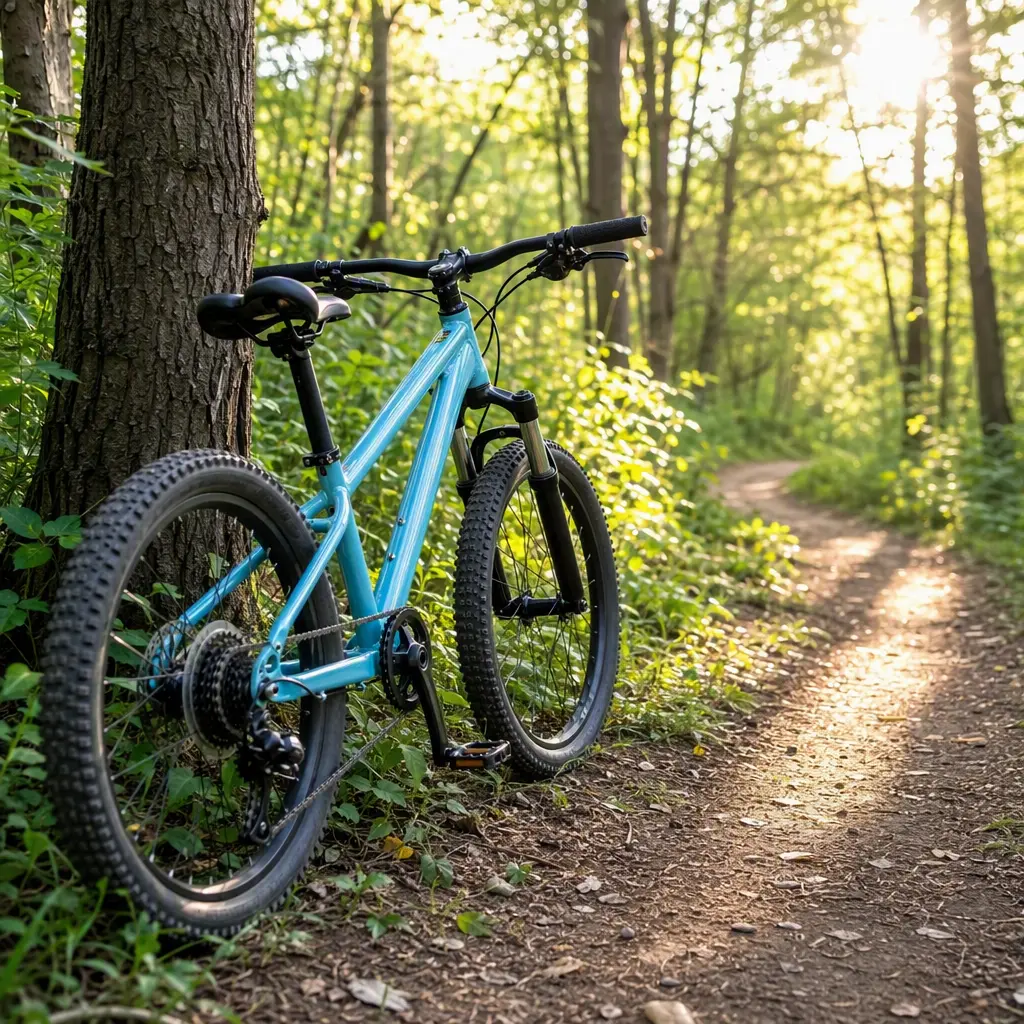
Finding a capable kids' mountain bike under £600 can be difficult because the market ranges from heavy supermarket-style bikes to genuinely trail-ready options. At this budget, parents are often balancing weight, durability and proper off-road handling against the reality that children quickly outgrow bikes. The good news is that £500 to £600 is enough to access lighter frames, better gearing and more dependable brakes than entry-level models, making family trail rides and local bike-park sessions far more enjoyable for younger riders.
What to look for
The right kids' mountain bike should feel manageable rather than oversized or unnecessarily heavy. Weight matters more for younger riders than it does for adults because a heavy bike can make climbing, cornering and braking tiring very quickly. Wheel size should match the child's height and confidence level rather than simply choosing the biggest bike possible for growing room. Many children moving onto proper trails will benefit more from a lighter rigid or short-travel hardtail bike than a cheap full-suspension model with excessive weight and basic components.
- 24-inch wheels usually suit children around 7 to 11 years old, while 26-inch wheels work better for taller or more confident riders.
- Lightweight aluminium frames are common at this price and help keep handling manageable on climbs and rough ground.
- Mechanical disc brakes are common under £600, though hydraulic discs offer stronger and easier braking with less hand effort.
- Short-travel front suspension can improve comfort on roots and rocky paths, but a rigid fork can save significant weight for smoother trails.
- Wide-range gearing with a single front chainring is simpler for children to use and reduces maintenance.
- Check the geometry carefully: lower standover height and shorter reach measurements help build confidence.
- Included extras such as mudguard mounts or bottle cage mounts can add practicality for school rides and family outings.
- Tyres with moderate tread often roll better on mixed terrain than very aggressive downhill-style tyres.
Budget and what you're getting
At under £600, most good kids' mountain bikes focus on sensible compromises rather than premium specification. You can expect lighter frames and more reliable components than cheaper department-store bikes, but there are still trade-offs. Suspension forks are usually basic coil-sprung units rather than adjustable air forks, and drivetrains may use fewer gears than adult trail bikes. Full-suspension bikes at this budget are often heavy and less efficient, so many parents choose hardtails instead. Paying attention to frame weight and fit will usually make a bigger difference to enjoyment than chasing high-end features.
Standout categories or types
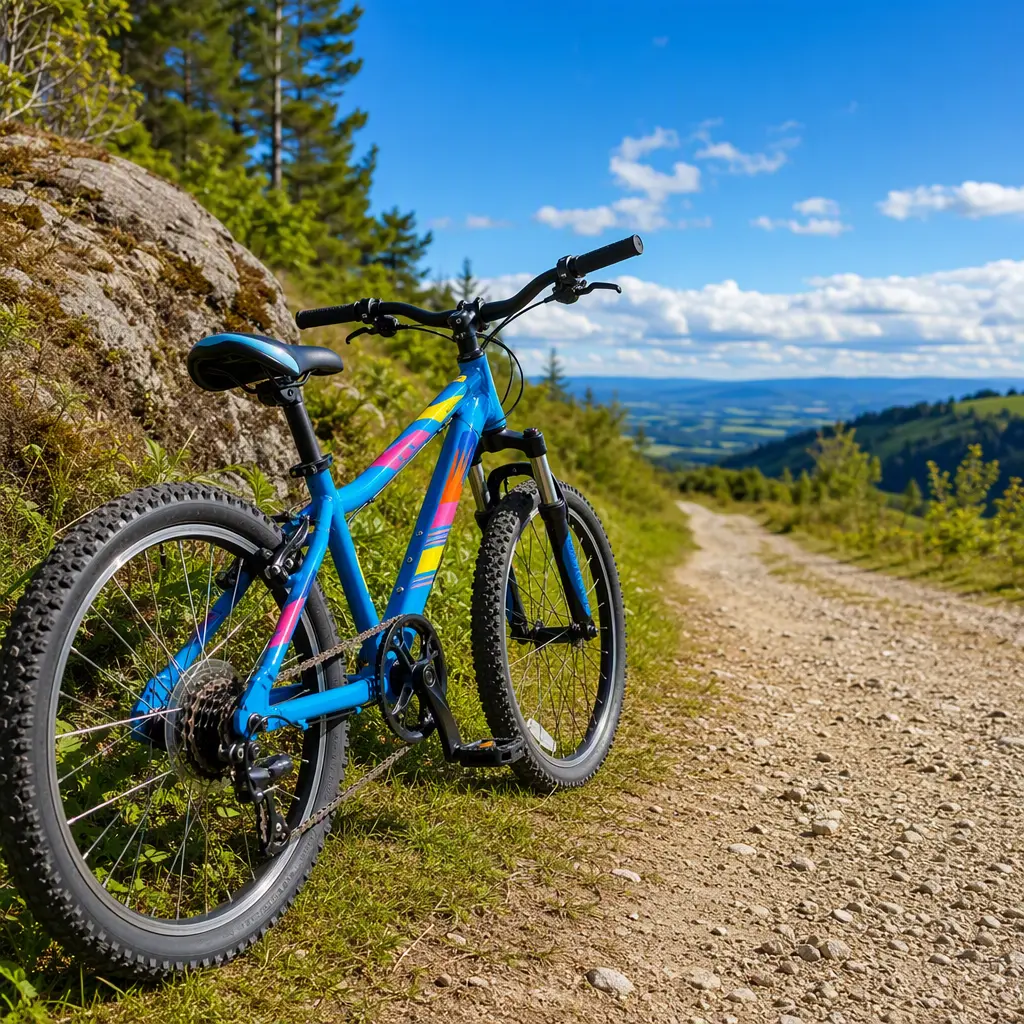
Rigid kids' mountain bikes remain popular because they are lighter, simpler and easier for younger riders to handle. For canal paths, woodland tracks and family rides, a rigid fork paired with wider tyres can provide enough comfort while keeping the bike responsive. These bikes are often easier to carry, easier to pedal uphill and less expensive to maintain.
Hardtail mountain bikes with front suspension are better suited to rougher trail centres, roots and rocky descents. A short-travel fork can improve confidence and grip, especially for children progressing into more technical riding. However, suspension quality matters. A heavy or poorly damped fork can make steering sluggish and add unnecessary weight. Alloy hardtails tend to dominate this price bracket because they strike a good balance between strength, low weight and affordability.
- Rigid mountain bikes are lighter and often ideal for smoother mixed-terrain riding.
- Hardtails with front suspension offer more comfort and control on rough trails.
- 24-inch wheel bikes usually feel more agile for younger riders.
- 26-inch wheel bikes roll faster over rough terrain but can feel larger and heavier.
- Tyres around 2.1 to 2.3 inches wide often balance grip and rolling speed well for junior trail riding.
Frequently asked questions
Should kids have suspension on a mountain bike?
Suspension can improve comfort and confidence on rough trails, but it is not always essential. A lightweight rigid bike with good tyres may feel easier to control than a heavy bike with basic suspension.
What wheel size is best for a child?
The best wheel size depends on height, leg length and riding confidence. Many children start trail riding on 24-inch wheels before moving to 26-inch bikes as they grow taller.
Are hydraulic disc brakes worth it for kids?
Hydraulic disc brakes are often easier for smaller hands to use because they need less force at the lever. They also tend to offer smoother braking in wet and muddy conditions.
Is a full-suspension kids' bike worth buying under £600?
Most full-suspension bikes at this price are quite heavy and use basic suspension parts. A lighter hardtail is usually the better value option for young riders developing skills and confidence.
How important is bike weight for children?
Weight is extremely important because children have less strength to manage heavy bikes. A lighter bike is easier to pedal, easier to steer and generally more enjoyable on longer rides or climbs.
A well-chosen kids' mountain bike under £600 can support everything from weekend woodland rides to proper trail-centre adventures. Focusing on sensible sizing, manageable weight and dependable components will usually deliver a better riding experience than chasing complicated features. For growing riders, comfort and confidence matter far more than aggressive styling or unnecessary suspension.
Find these on Amazon
As an Amazon Associate, CheapBikes earns from qualifying purchases.