Best kids’ bikes under £220 for school runs and park riding
A value-focused guide to kids’ bikes under £220 that are light enough to handle, stop safely, and survive daily school runs and park laps—without paying for racing extras.
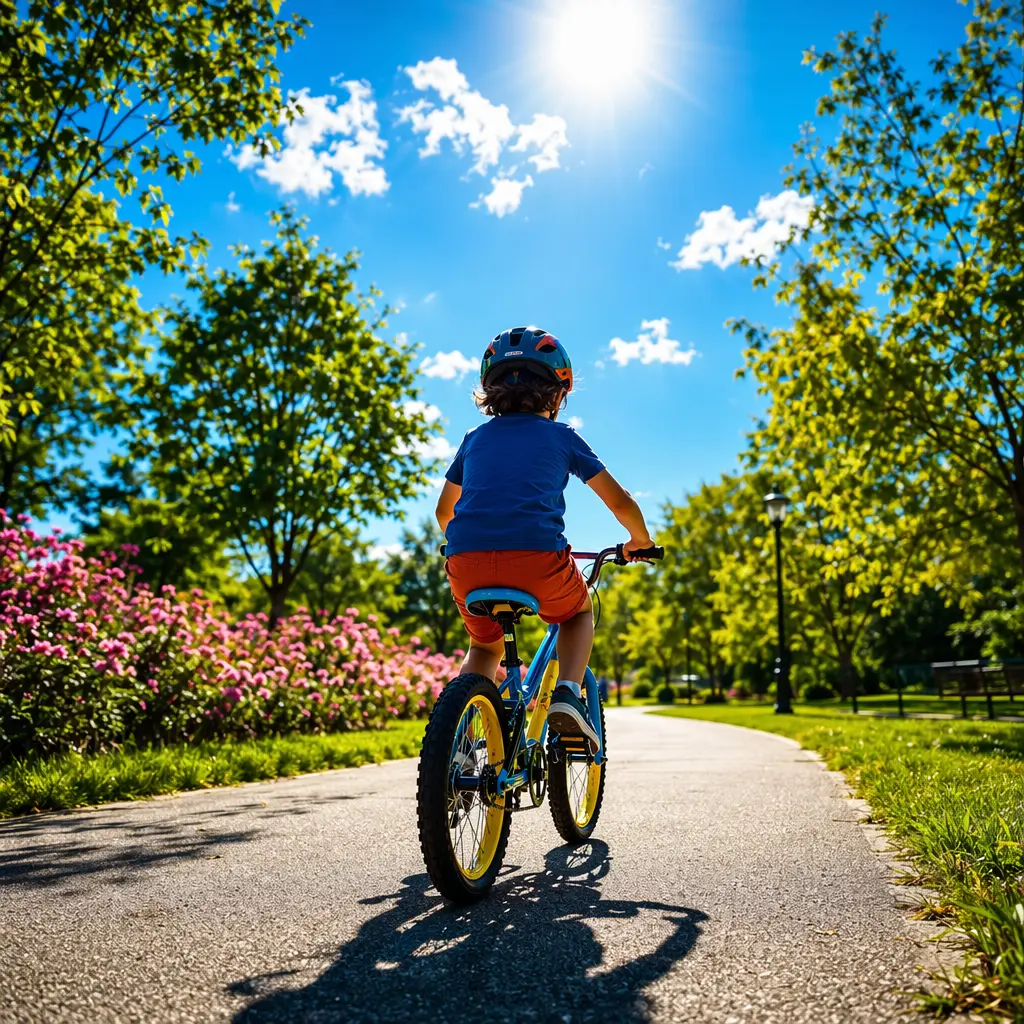
Buying a kids’ bike on a tight budget is a balancing act. Under £220 needs to cover the school run, weekend park riding and the odd knock without becoming heavy, hard to stop or frustrating to ride. This guide focuses on what actually matters at this price: manageable weight, reliable brakes and everyday durability—while avoiding expensive racing features that most children don’t need.
What you actually get at this price
At under £220, kids’ bikes are built to be practical rather than fancy. You should expect solid basics that work well for short journeys and play riding, with a few compromises to keep costs down. The good news is that for everyday use, these compromises are usually sensible.
The biggest differences come down to weight, braking and how simply the bike is set up. A lighter bike is easier to control and encourages confidence, while simple components tend to be more reliable for young riders.
- Frame: usually steel or basic aluminium; steel is tougher but heavier, aluminium saves weight
- Gears: often single-speed or a simple 6–7 speed setup with a twist shifter
- Brakes: rim brakes are common; basic mechanical disc brakes appear on some heavier bikes
- Wheels: 16in, 20in or 24in depending on age and height; double-wall rims are a bonus
- Tyres: medium-width tyres with light tread for paths, playgrounds and tarmac
- Extras: reflectors and kickstands are common; mudguards and lights are usually optional
How to choose
Fit matters more than brand names. Wheel size should match your child’s height and inside leg, not their age alone. A bike that’s too big will feel unwieldy and put kids off riding, especially in traffic or busy parks.
For school runs and park use, upright geometry is ideal. Look for a comfortable riding position with bars that come back towards the rider and a low step-over height. Simpler is often better: fewer gears and clear, easy-to-use brakes make riding less stressful.
What to look out for
- Very heavy frames that make starting and stopping hard
- Overly complex gears that are difficult for small hands to use
- Poorly set-up brakes that need frequent adjustment
- Lack of tyre clearance for mudguards if the bike will be used year-round
- Plastic brake levers or flimsy pedals that won’t last
Worth spending more on
If there’s room in the budget, a few small upgrades can transform how a kids’ bike feels. Lightweight tyres with decent grip roll faster and make steering easier. A comfortable saddle sized for children helps on longer rides and reduces complaints.
Safety accessories are also worth prioritising. A well-fitting helmet and a bright set of lights matter far more than extra gears or suspension. A sturdy lock is essential for school parking, even if the bike itself is budget-priced.
Frequently asked questions
Is a single-speed bike enough for school runs?
For flatter routes, yes. Single-speed bikes are lighter, easier to maintain and simpler to ride. Gears are helpful if there are hills or longer distances, but they’re not essential for short daily trips.
Are disc brakes better for kids?
Not always at this price. Basic rim brakes are lighter and easier for small hands to operate. Cheap mechanical discs can add weight without offering better stopping power unless they’re well set up.
How long will a bike under £220 last?
With basic maintenance, it should easily cover a couple of years of regular use. Kids often outgrow bikes before they wear them out, making durability and fit more important than high-end components.
Is it worth buying second-hand instead?
Second-hand can offer better value, but condition matters. Check brakes, tyres and bearings carefully. New bikes come with a warranty and no hidden wear, which many parents find reassuring.
In short, the best kids’ bikes under £220 focus on light weight, simple controls and dependable braking—everything needed for confident school runs and fun park riding. Choose the right size, prioritise safety, and the bike will do its job well.
Find these on Amazon
As an Amazon Associate, CheapBikes earns from qualifying purchases.