Best kids bikes under £200 for everyday riding
A practical guide to buying a safe, reliable kids’ bike under £200 in the UK — what’s worth paying for, where it’s safe to save, and the compromises to expect.
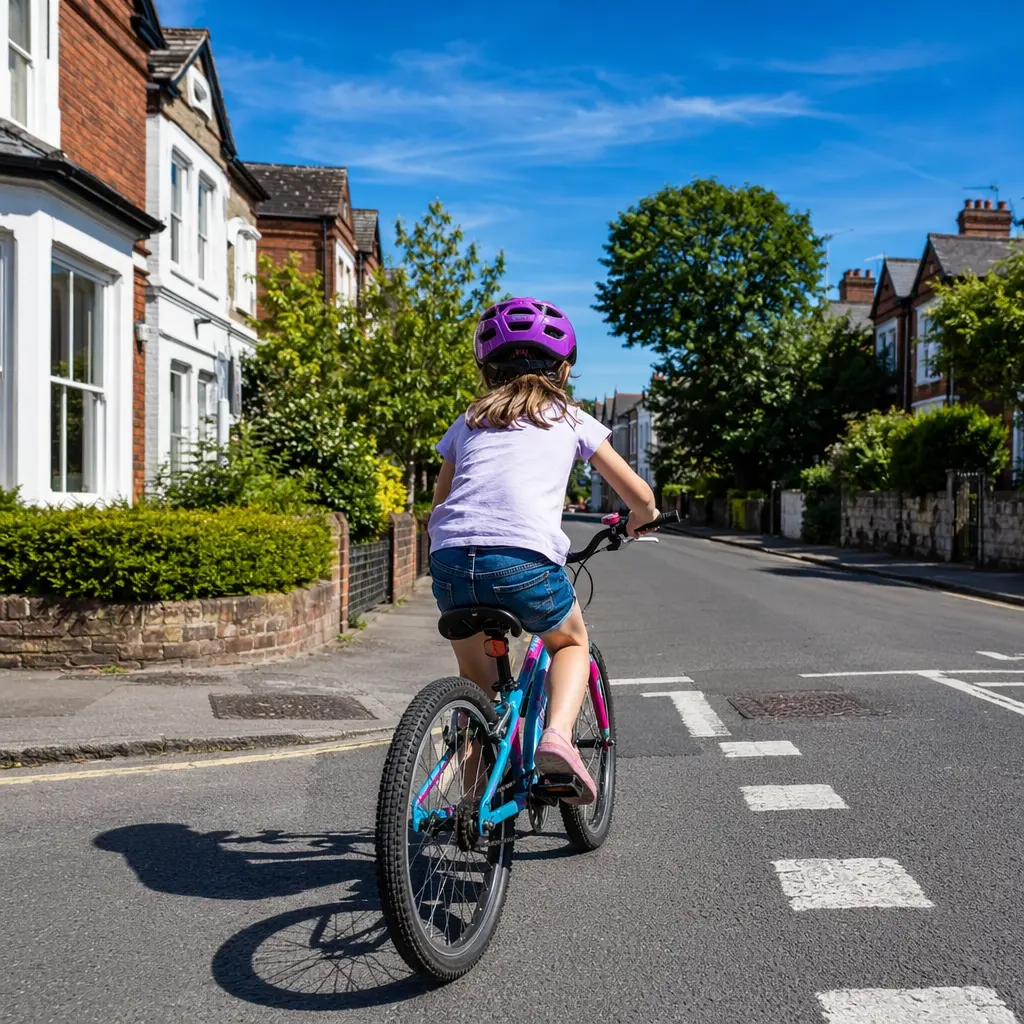
A kids’ bike doesn’t need to be expensive to be safe and enjoyable. For everyday riding — trips to the park, cycling to school, weekend pottering — £200 is enough to get something dependable, as long as expectations are realistic. This guide focuses on where it’s sensible to save money, and where cutting corners can spoil the experience or affect safety.
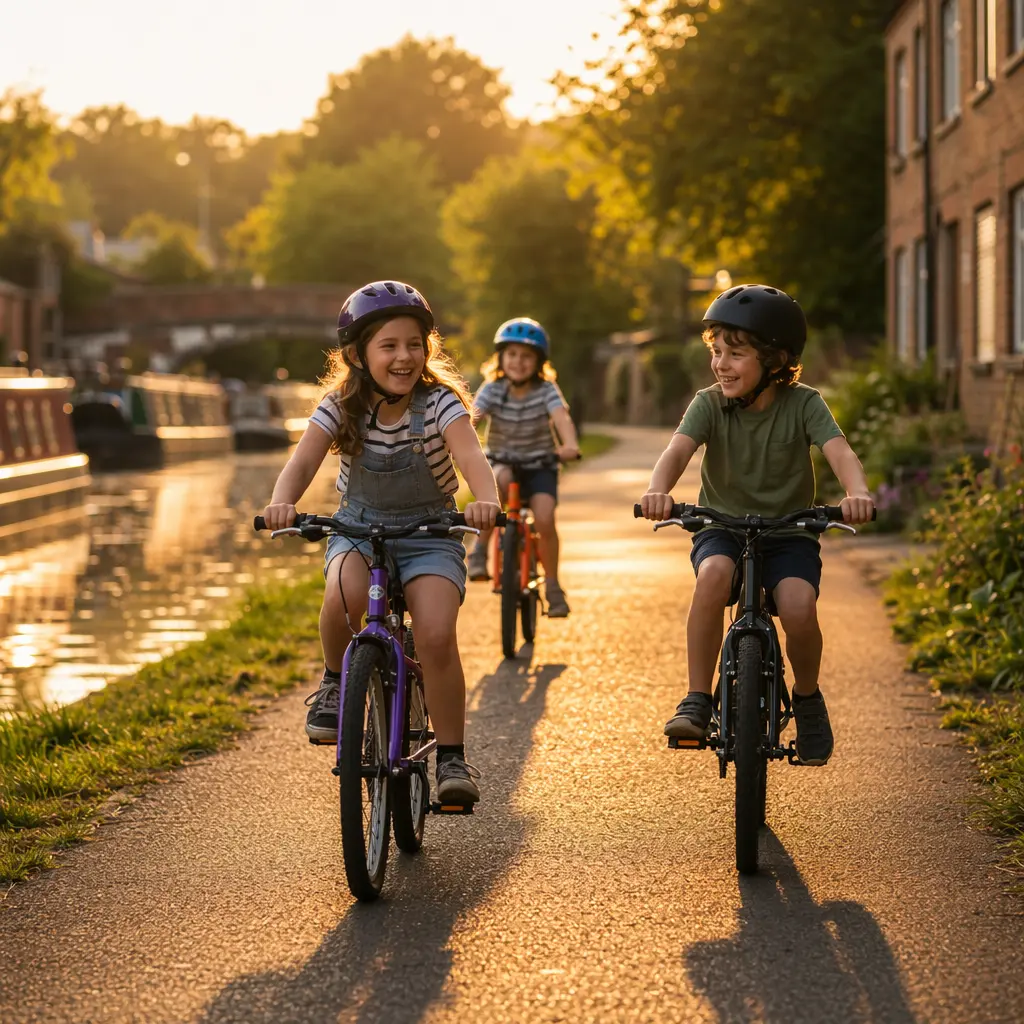
What you actually get at this price
Under £200, kids’ bikes are built to a tight budget, but that doesn’t automatically mean poor quality. Frames are usually steel or basic aluminium, components are simple, and weight is higher than on premium children’s bikes. The upside is robustness and straightforward maintenance.
Most bikes in this range cover wheel sizes from 14 to 24 inches, suitable for early riders through to primary school age. You won’t find advanced suspension or ultra-light parts, but you should expect consistent braking, sensible gearing (if fitted), and fittings that stand up to daily knocks.
- Frame material: steel is common and tough; aluminium appears on better-specced options and saves some weight
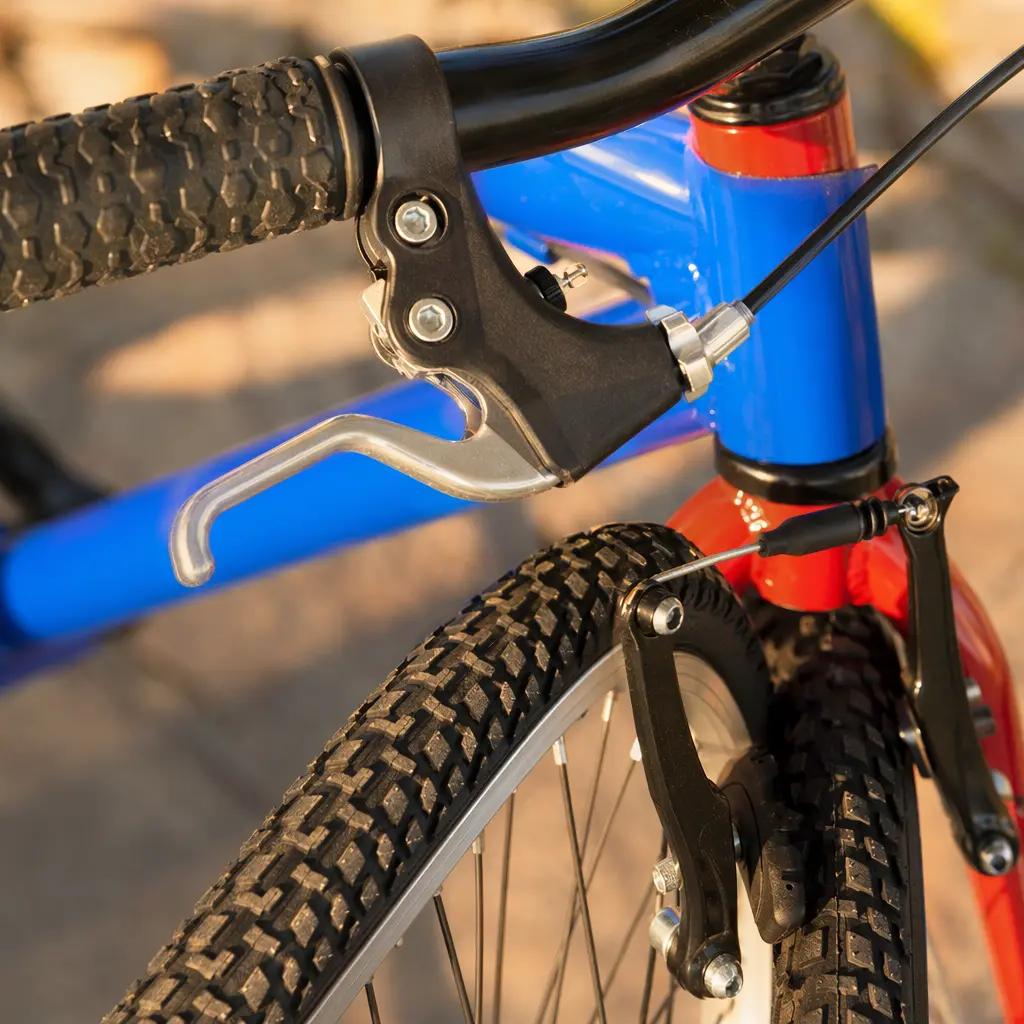
- Brakes: rim brakes or basic mechanical disc brakes; both are fine if adjusted properly
- Gearing: single-speed on smaller sizes; simple 6–7 speed drivetrains on larger bikes
- Tyres: wide, puncture-resistant rubber aimed at kerbs, paths and playground use
- Extras: often supplied with mudguards, chain guards, reflectors and kickstands
How to choose
Fit matters more than brand. A bike that’s too big will be hard to control and put a child off riding altogether. Check the manufacturer’s height range carefully and, if possible, prioritise standover clearance and reach over advertised age labels.
Think about where the bike will actually be ridden. For pavement and park use, slick or lightly treaded tyres roll easily. For towpaths or gravel, a bit more tread helps. Suspension forks are rarely worthwhile at this price — they add weight without improving comfort — so a rigid fork is often the better choice.
What to look out for
- Very heavy frames that make starting and stopping tiring for smaller riders
- Poorly adjusted brakes out of the box — common but fixable at a local bike shop
- Twist shifters that are stiff or hard for small hands to operate
- Lack of mudguard mounts on bikes aimed at everyday use
- Cheap saddles and grips that may need upgrading for comfort
Worth spending more on
If there’s room in the budget, a few small upgrades can make a big difference. Lighter tyres with better grip improve confidence more than flashy graphics. Comfortable grips and a well-shaped saddle help longer rides feel enjoyable rather than like a chore.
Safety accessories are also a smart place to spend. A properly fitting helmet, bright lights for darker afternoons, and a reliable lock often matter more than shaving a kilo off the bike’s weight.
Frequently asked questions
Is a £200 kids’ bike safe?
Yes, provided it’s correctly assembled and adjusted. UK safety standards apply regardless of price. Regular checks on brakes, bolts and tyre pressure are more important than brand name.
Should I buy new or second-hand?
Second-hand can offer better value, but only if you’re confident assessing wear. For many parents, a new bike under £200 with a warranty and no hidden issues is the simpler option.
Do kids need gears?
Younger or smaller riders are often happier on single-speed bikes. Gears become useful on larger wheel sizes when hills and longer rides are part of everyday use.
How long will the bike last?
Expect a few years of everyday riding, depending on growth. Budget kids’ bikes are built to be outgrown rather than endlessly upgraded.
In short, £200 is enough for a solid, safe kids’ bike for everyday riding — focus on fit, simple components and good setup, and it’ll do the job without unnecessary expense.
Find these on Amazon
As an Amazon Associate, CheapBikes earns from qualifying purchases.