£300 vs £700: how much bike do you actually need for commuting?
Is a £700 commuter really worth it over a £300 bike? This guide separates the upgrades that genuinely improve daily rides from the nice-to-haves, helping UK commuters spend wisely.
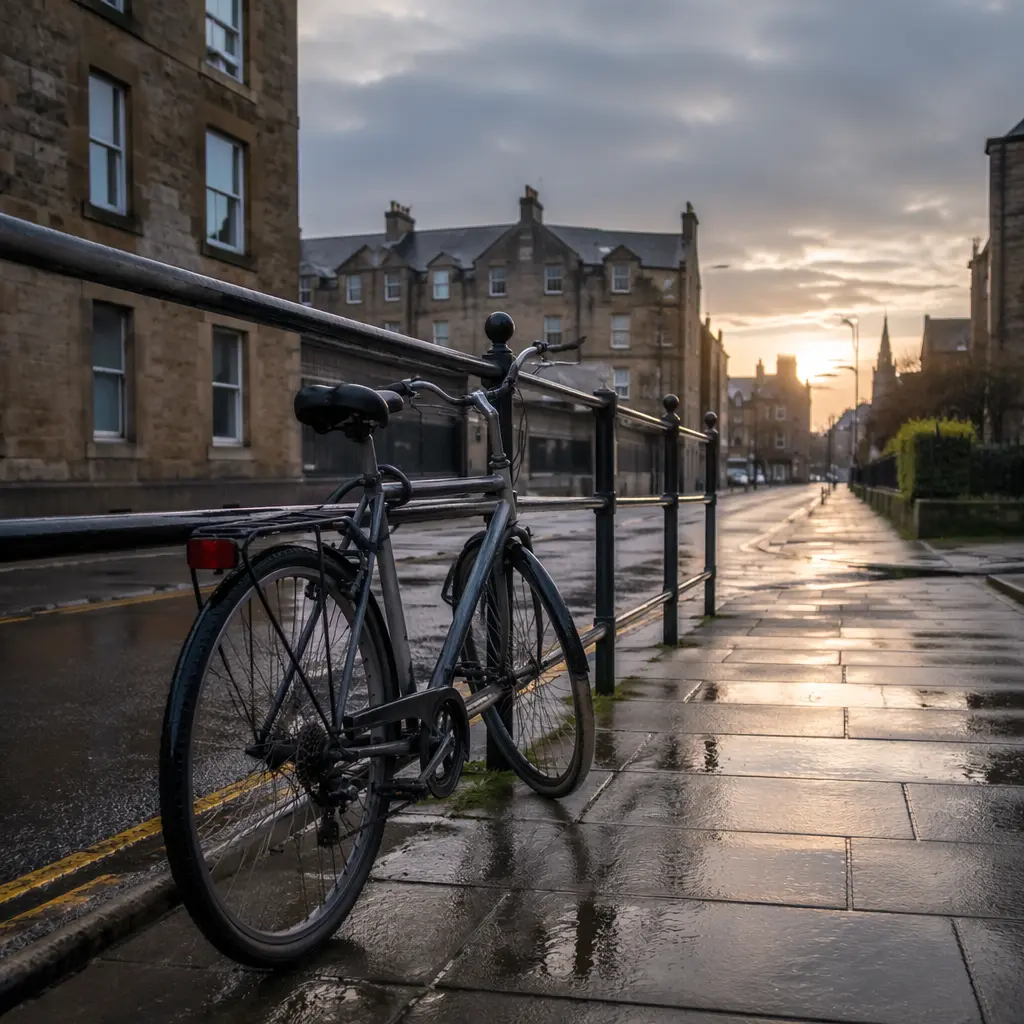
For daily commuting, the big question is simple: how much bike is enough? With entry-level commuters around £300 and smarter-looking options closer to £700, the gap looks huge. This guide breaks down what actually changes between those price points — and which upgrades genuinely make the ride to work easier, safer and more reliable.
What you actually get at this price
At around £300, most commuter bikes focus on getting the fundamentals right at the lowest possible cost. Frames are usually aluminium or hi-tensile steel, components are basic but functional, and weight is rarely a priority. These bikes are designed to work, not impress.
Step up towards £700 and the changes are less about speed and more about refinement. You’re paying for better components, improved durability and fewer compromises — all of which matter when the bike is used five days a week, in all weather.
- Gearing: £300 bikes usually run entry-level drivetrains with limited range; £700 bikes often offer wider gearing or simpler, better-quality single or hub setups
- Brakes: basic cable disc or rim brakes at £300; stronger hydraulic discs or higher-quality rim brakes nearer £700
- Frame & fork: heavier aluminium or steel vs lighter frames and often a carbon or alloy fork to reduce road buzz
- Wheels & tyres: budget, heavy wheels with hard-wearing tyres vs lighter wheels and better puncture protection
- Extras: mudguards and racks may be optional at £300; often included or better integrated at £700
How to choose
The right budget depends less on distance and more on conditions. Short, flat rides on smooth roads put very little stress on a bike. Longer routes, hills, poor road surfaces and winter riding all magnify the weaknesses of cheaper components.
Fit and geometry matter more than price. A £300 bike that fits properly will always be better than a £700 one that doesn’t. Upright positions suit stop-start city riding, while slightly stretched geometries work better for longer commutes.
What to look out for
- Very heavy wheels that make the bike feel sluggish off the line
- Cheap shifters that lose adjustment quickly
- Lack of mudguard or rack mounts, limiting year-round usefulness
- Mechanical disc brakes with poor modulation
- No allowance in the budget for essential accessories
Worth spending more on
Some upgrades punch well above their price. Tyres are the biggest one: better puncture protection and grip improve reliability and confidence immediately. A comfortable saddle can also transform longer rides, regardless of bike cost.
Security is another area not to skimp on. A £300 bike still needs a serious lock, and many commuters would be better riding a cheaper bike with a top-quality lock than the other way around.
Frequently asked questions
Is a £300 bike reliable enough for daily use?
Yes, if maintained. Expect more frequent adjustments and faster wear on consumable parts, but the core frame and components are usually sound.
Does a £700 bike make commuting faster?
Only marginally. The real gains are comfort, braking confidence and fewer mechanical issues rather than outright speed.
What about buying second-hand?
A well-maintained used bike around £500 can outperform a new £300 bike, but condition and fit are critical. Factor in the cost of a service.
In short, £300 gets you to work; £700 makes doing it every day easier. Choose the lowest price that still supports your route, conditions and tolerance for maintenance — then spend smart on the essentials.
Find these on Amazon
As an Amazon Associate, CheapBikes earns from qualifying purchases.