Is a Hybrid Bike Worth It for Canal Paths and Leisure Rides?
A hybrid bike can handle canal towpaths, park loops and everyday riding without the cost or hassle of owning multiple bikes. Here’s where hybrids work well — and where their limits show.
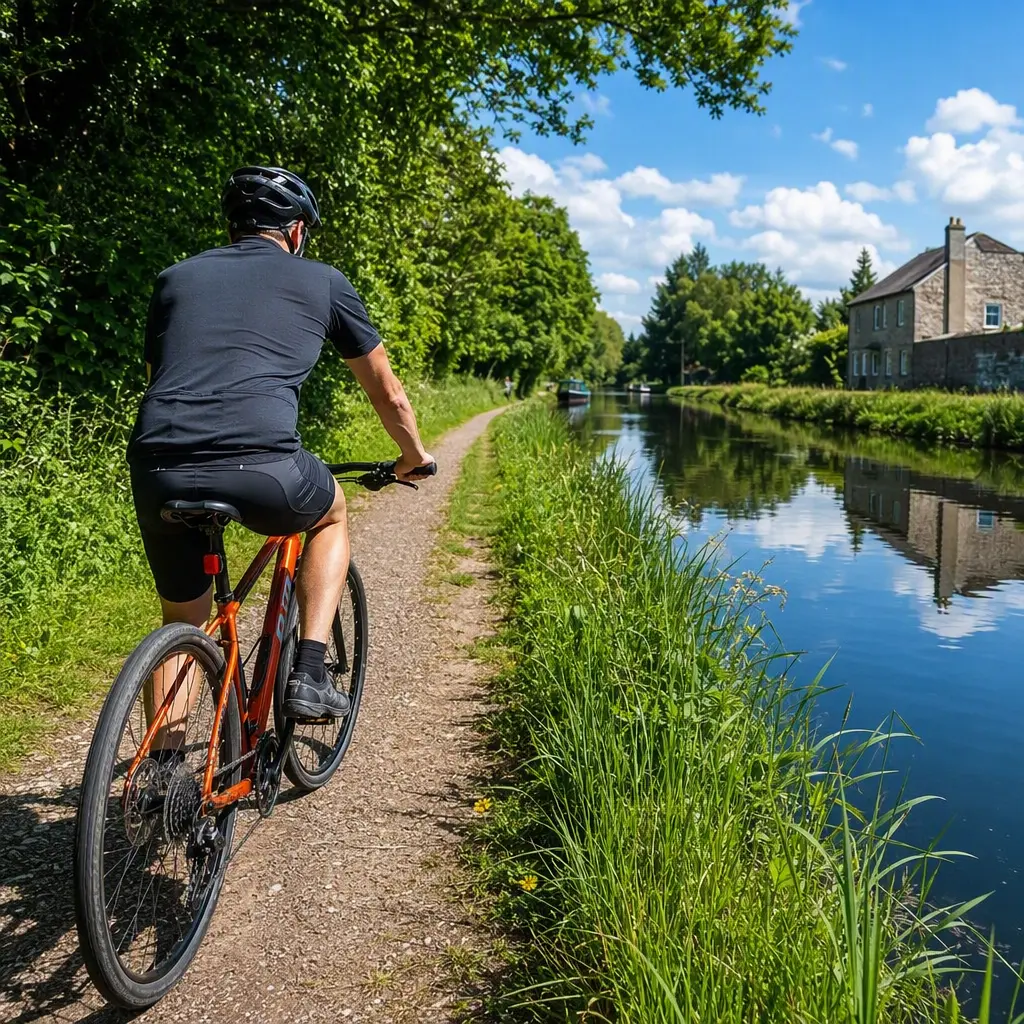
For riders who mainly stick to canal paths, parks, local roads and relaxed weekend miles, a hybrid bike often makes more sense than owning separate commuter and leisure bikes. The appeal is simple: one bike that can roll efficiently on tarmac, stay stable on gravel towpaths and cope with everyday errands without feeling too specialised. That flexibility matters if storage space, budget or maintenance time are limited. A decent hybrid will not match a road bike for speed or a mountain bike for rough terrain, but for mixed leisure riding it usually lands in the sweet spot.
What you actually get at this price
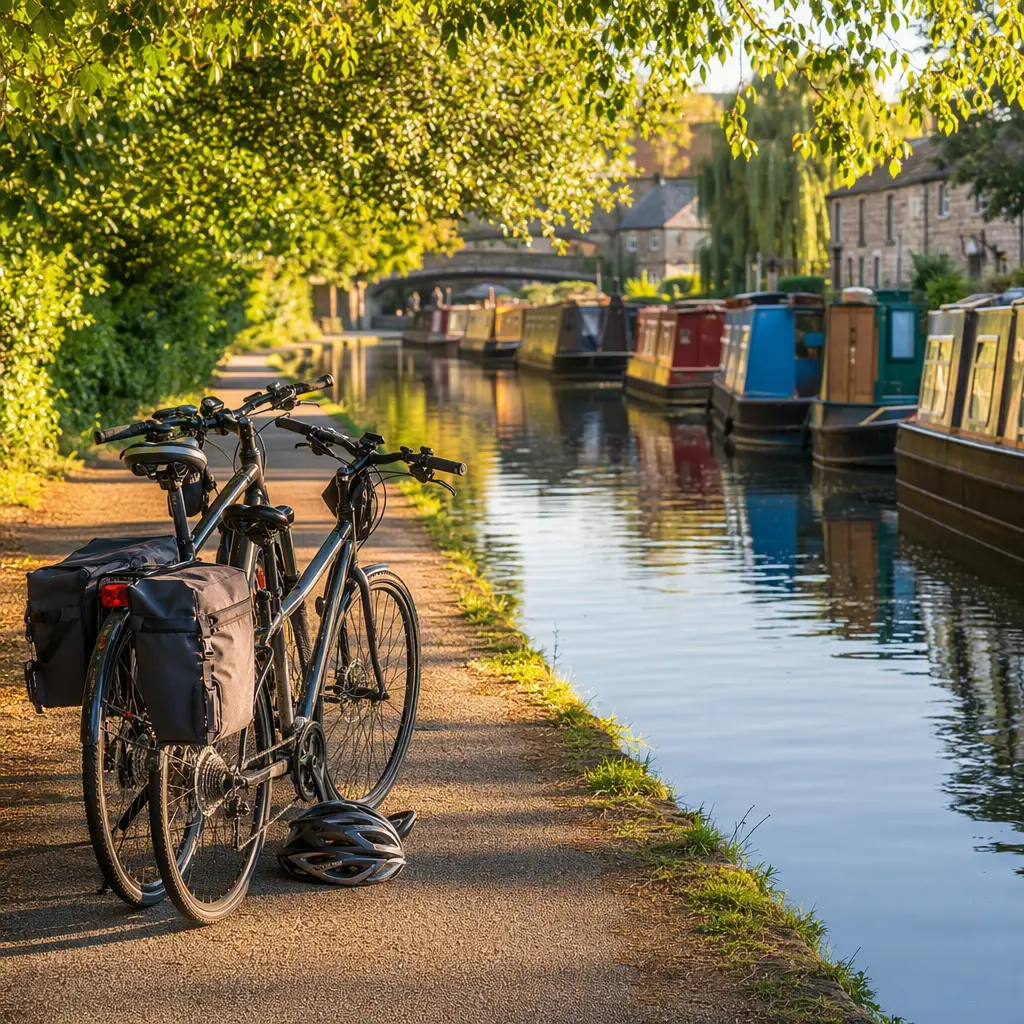
Most hybrid bikes aimed at casual and utility riding focus on comfort, predictable handling and low running costs rather than outright speed. Even fairly affordable hybrids now come with wide-range gearing, stable tyres and mounts for practical extras, which makes them well suited to towpaths, cycle paths and urban riding.
The biggest advantage is versatility. A hybrid sits between a road bike and mountain bike in both riding position and component choice. Riders get a more upright posture than a road bike, which helps visibility and comfort on slower rides, but tyres that roll faster than full mountain bike rubber. That balance works especially well on compact gravel, broken tarmac and uneven canal surfaces.
- Aluminium frames are the norm, keeping weight sensible without pushing prices too high
- Flat handlebars offer stable steering and easier control at low speeds
- Tyres are usually wider than road bikes for extra comfort and grip on gravel or towpaths
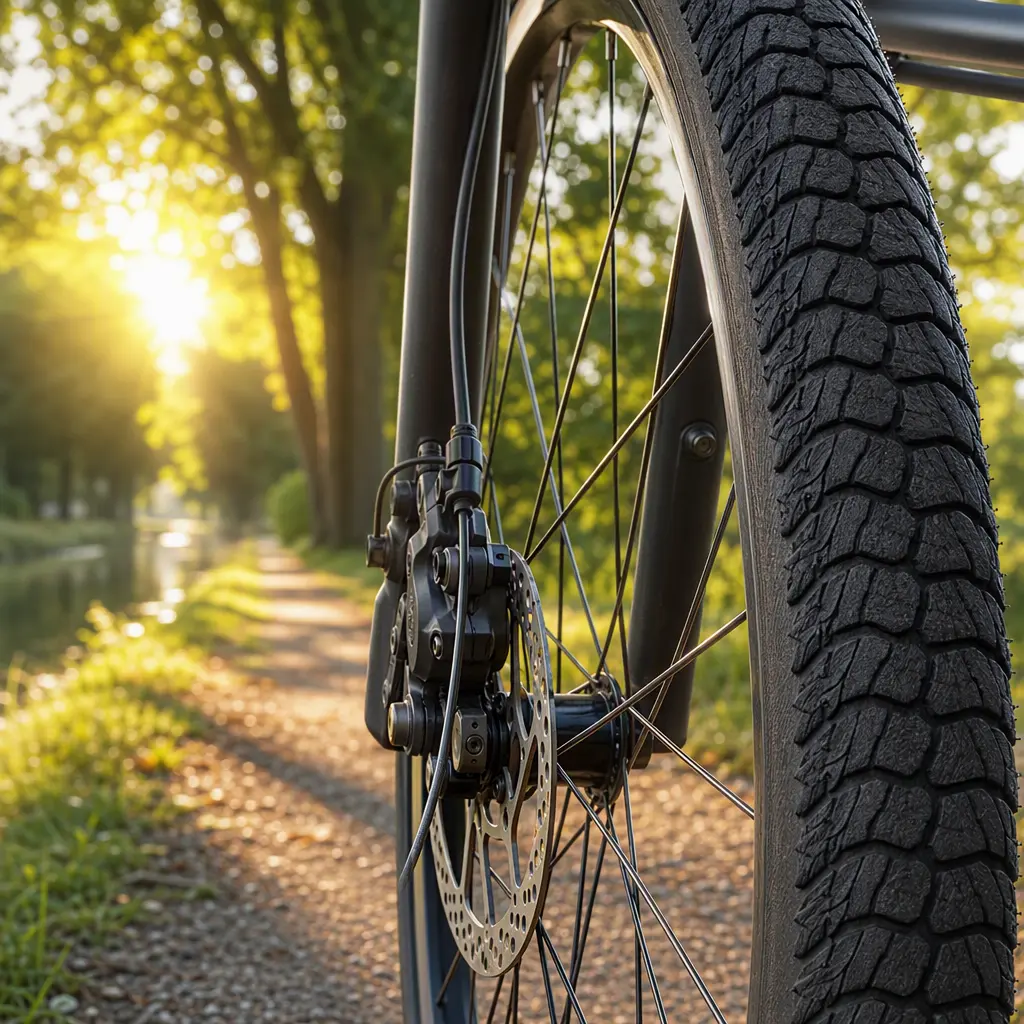
- Hydraulic disc brakes appear on mid-range hybrids and perform better in wet UK conditions
- Wide-range gearing helps on short hills without needing racing-style fitness
- Many hybrids include mudguard and pannier rack mounts for commuting or shopping
- Some leisure-focused hybrids include built-in lights, kickstands or puncture-resistant tyres
How to choose
The best hybrid for canal paths and weekend rides depends less on speed and more on where the bike will spend most of its time. Riders sticking mainly to smooth towpaths and roads should look for faster-rolling tyres around the middle of the width range, while rougher gravel and broken surfaces benefit from slightly chunkier tyres with extra grip. A fully upright riding position can feel comfortable at first but may become less efficient on longer rides, so moderate geometry is often the safer all-round choice.
Fit matters more than many casual riders expect. A hybrid that feels slightly too stretched or cramped can quickly become uncomfortable over longer distances. Adjustable stems and wider saddles can help, but frame sizing still matters. It is also worth checking whether the bike has mounting points for mudguards and racks, even if they are not needed immediately. Many riders start with weekend rides and later use the same bike for commuting, shopping or fitness rides.
What to look out for
- Very cheap hybrids can feel heavy, especially on hills or longer rides
- Basic mechanical disc brakes may need more frequent adjustment than hydraulic systems
- Low-cost suspension forks often add weight without improving comfort much on canal paths
- Narrow tyres can feel harsh on rough towpaths and loose gravel
- Some sporty hybrids leave out rack or mudguard mounts entirely
- Entry-level wheels may go out of true more easily on potholes or kerbs
- Budget saddles and grips are commonly swapped out after a few months of riding
Worth spending more on
A few small upgrades can make a hybrid noticeably more enjoyable without replacing the whole bike. Tyres are usually the best place to start. Better puncture protection and improved rubber compounds make a real difference on canal towpaths where broken glass, thorns and loose stones are common. Upgrading contact points such as grips and saddles can also improve comfort more than expected on longer leisure rides.
Security and visibility are worth budgeting for too. Many hybrids are used for mixed riding and everyday trips, so a solid lock and reliable rechargeable lights matter more than shaving a small amount of bike weight. Riders planning year-round use should also consider proper mudguards, which make wet towpath riding far less messy in typical UK weather.
Frequently asked questions
Can a hybrid bike handle gravel canal paths?
Yes, most hybrids are designed for exactly that kind of mixed surface riding. Compact gravel, towpaths and uneven cycle tracks are well within their comfort zone, especially with tyres around the mid-width range and sensible tyre pressure.
Is a hybrid bike good enough for commuting and leisure riding?
For many riders, yes. A hybrid can comfortably cover commuting duties during the week and relaxed leisure rides at weekends without needing separate bikes. That versatility is one of the category’s biggest strengths.
Are hybrid bikes slower than road bikes?
Generally yes, mainly because of the more upright riding position and wider tyres. However, hybrids are usually more comfortable and confidence-inspiring on rough surfaces, poor roads and stop-start urban routes.
Should beginners buy a hybrid instead of a mountain bike?
If most riding will happen on roads, parks, canal paths and cycle routes rather than technical trails, a hybrid is often the more practical option. It rolls faster, feels lighter and usually needs less maintenance than a mountain bike.
For canal paths, local rides and everyday cycling, a hybrid bike remains one of the most practical one-bike solutions — versatile enough to cover different types of riding without becoming overly specialised.
Find these on Amazon
As an Amazon Associate, CheapBikes earns from qualifying purchases.