£800 vs £1,600 mountain bikes: what changes on trail?
How much more trail capability does £1,600 buy over an £800 mountain bike? A practical guide to suspension, geometry, brakes and where casual UK riders actually notice the difference.
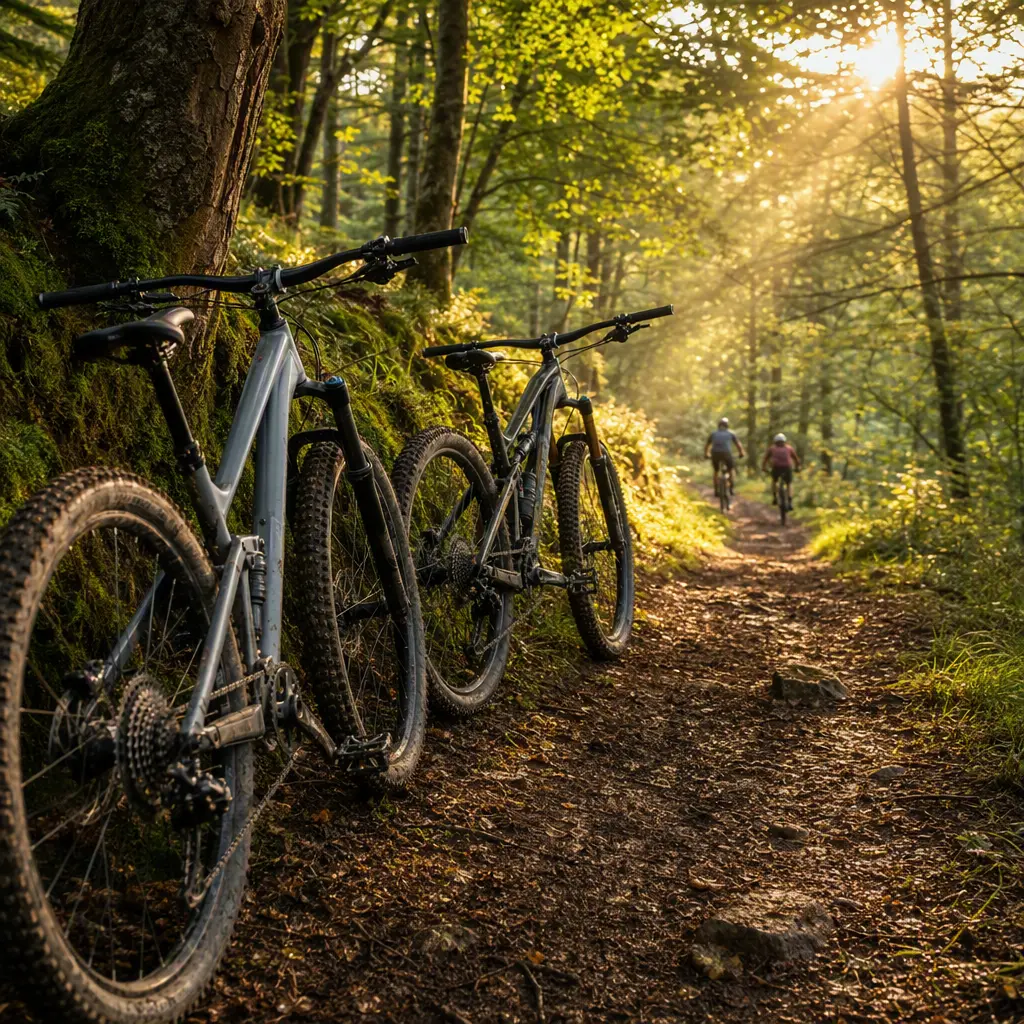
For casual trail riders, the jump from roughly £800 to £1,600 is where mountain bikes start feeling noticeably more capable rather than simply lighter or flashier. At the lower end, there are plenty of bikes suitable for towpaths, forestry tracks and moderate trail-centre loops. Double the budget, though, and the improvements in suspension quality, geometry, brakes and tyre grip become easier to feel on rougher UK terrain. The key question is whether those upgrades match the riding actually being done — because not every weekend rider needs long-travel suspension or aggressive downhill geometry.
What you actually get at this price
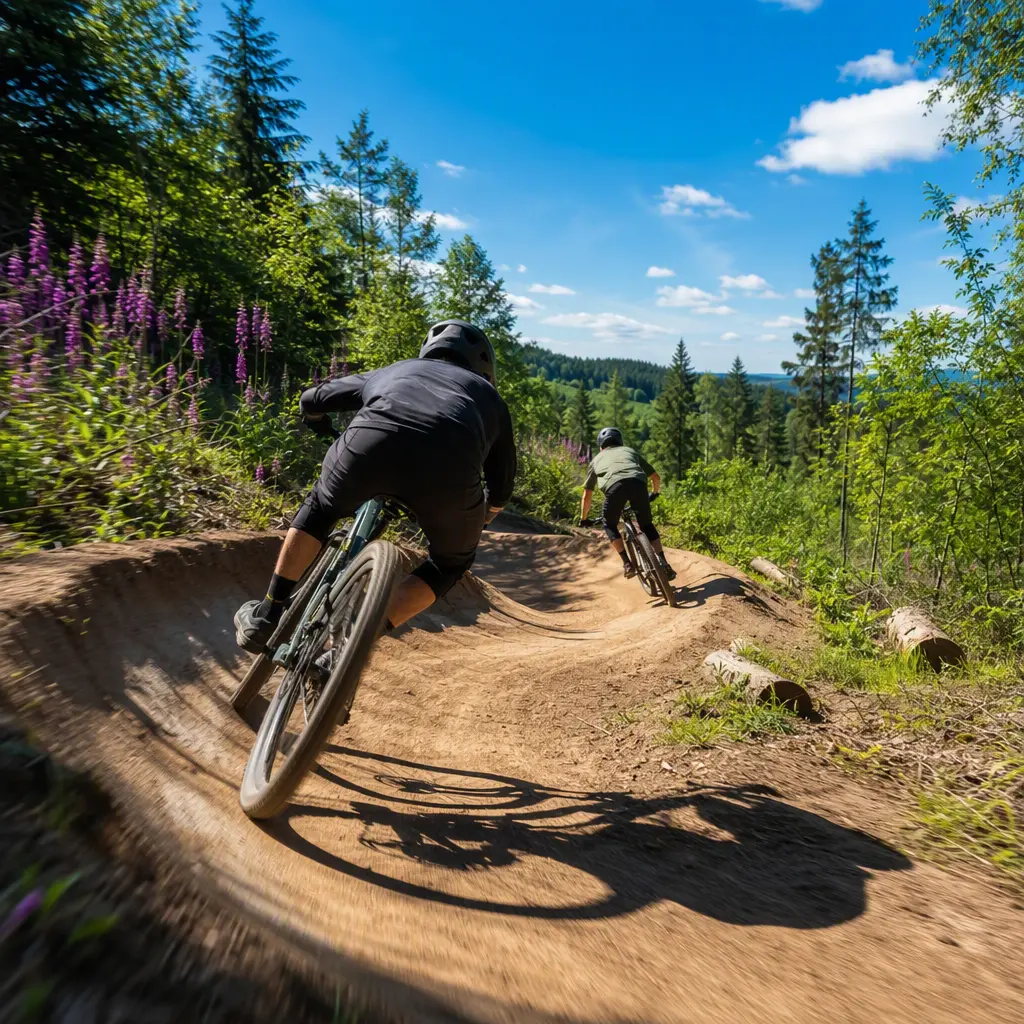
Around £800, most mountain bikes are aluminium hardtails with 100mm to 120mm suspension forks, basic air or coil dampers and reliable but entry-level drivetrain parts. This is the territory of bikes designed for mixed use: trail centres, canal paths, woodland loops and occasional commutes. They can be genuinely good fun on smoother red routes and rolling singletrack, especially with decent tyres fitted.
Closer to £1,600, bikes usually become more trail-focused. Geometry gets slacker and more stable on descents, suspension quality improves significantly and dropper seatposts become far more common. At this level, riders start seeing better wheelsets, more powerful hydraulic disc brakes and drivetrains with wider-range gearing that cope better with steep UK climbs and muddy winter conditions.
- £800 bikes: mainly aluminium hardtails with entry-level air or coil forks
- £1,600 bikes: higher-quality suspension damping and more modern trail geometry
- Hydraulic disc brakes are common at both prices, but power and modulation improve higher up
- 1x drivetrains become more refined and quieter at the higher budget
- Tubeless-ready wheels and tyres are more common around £1,600
- Dropper seatposts start appearing regularly above the £1,200 mark
- Better tyres often make a bigger real-world difference than extra travel alone
How to choose
The biggest factor is where the bike will actually be ridden. Riders spending most weekends on forest tracks, mellow trail centres and local bridleways often get excellent value from a well-specced £800 hardtail. Hardtails at this price are simpler to maintain, lighter than many cheap full-suspension bikes and often pedal more efficiently on flatter terrain.
The £1,600 range starts making more sense once rides regularly include rough descents, roots, rocky sections or longer trail-centre days. More advanced geometry keeps the bike stable on steep sections, while better suspension tracks the ground more effectively instead of bouncing through it. Riders also tend to feel less fatigued after several hours because the bike absorbs more trail chatter. Fit still matters more than spec sheets, though. A correctly sized frame with tyres suited to UK conditions can outperform a more expensive bike that feels awkward or unstable.
What to look out for
- Cheap full-suspension bikes under £1,000 often compromise heavily on suspension quality and weight
- Heavy wheels can make climbing and acceleration feel sluggish
- Basic forks may struggle on repeated rough hits or wet winter trails
- Some entry-level tyres prioritise durability over grip
- Budget drivetrains can wear faster in muddy UK conditions
- Not all frames include useful mounting points for bottles or accessories
- Aggressive trail geometry may feel awkward for casual path riding or commuting
Worth spending more on
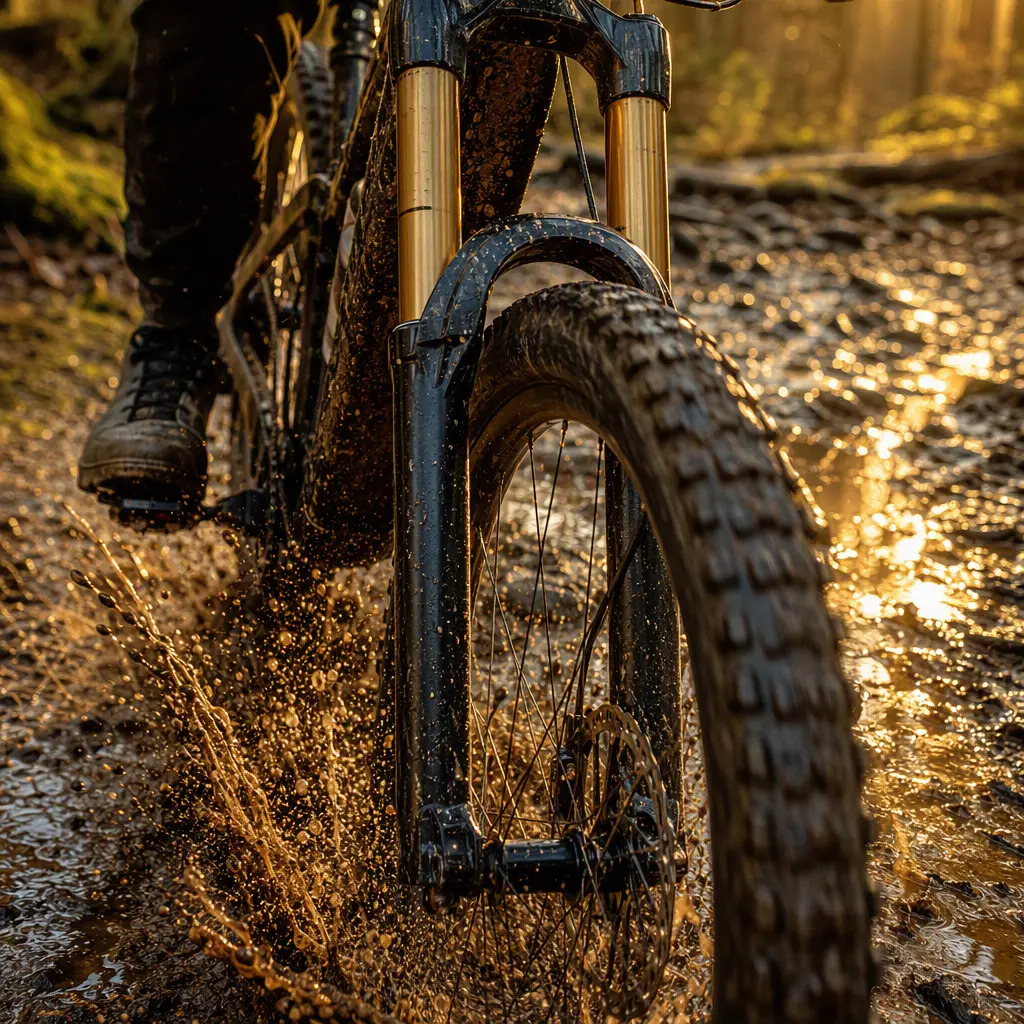
Even riders staying near the £800 mark can unlock better performance with a few carefully chosen upgrades. Tyres are usually the biggest improvement per pound spent. Many stock tyres prioritise low rolling resistance or durability, but moving to better rubber with stronger sidewalls and more grip transforms confidence on wet roots, loose corners and muddy trail-centre surfaces.
A dropper seatpost is another upgrade many riders notice immediately. Being able to lower the saddle quickly on descents improves control far more than many expect. A comfortable helmet, quality flat pedals and a reliable lock also deserve part of the budget. For riders heading into rougher terrain regularly, better suspension and stronger brakes are often worth paying for before chasing lighter components or extra gears.
Frequently asked questions
Is a £1,600 mountain bike twice as good as an £800 one?
Not necessarily. The improvements are real, but they are mostly noticeable on rougher and more technical trails. Casual riders on smoother terrain may only notice modest differences in comfort and control.
Should casual riders buy a hardtail or full-suspension bike?
For many UK riders, a hardtail still offers the best value. It is lighter, simpler and cheaper to maintain. Full-suspension becomes more worthwhile once rides regularly involve rocky descents, trail centres or longer technical loops.
Do modern geometry changes really matter?
Yes, particularly on descents. Longer reach measurements and slacker head angles make bikes feel more stable and predictable on steep sections. Riders often gain confidence even before improving fitness or technique.
What upgrade makes the biggest difference first?
Usually tyres. Good tyres suited to UK conditions improve grip, braking and comfort immediately. Many riders notice that change more than adding extra gears or lighter components.
For casual trail riding, £800 still buys a capable mountain bike, but around £1,600 is where suspension, geometry and braking upgrades begin making a clear difference on demanding UK trails — especially for riders pushing further and faster.
Find these on Amazon
As an Amazon Associate, CheapBikes earns from qualifying purchases.