Gravel Bikes vs Road Bikes for Weekend UK Riding
Choosing between a gravel bike and a road bike for UK weekends? This guide compares comfort, speed and versatility on lanes, towpaths and mixed surfaces to help you pick the right fit.
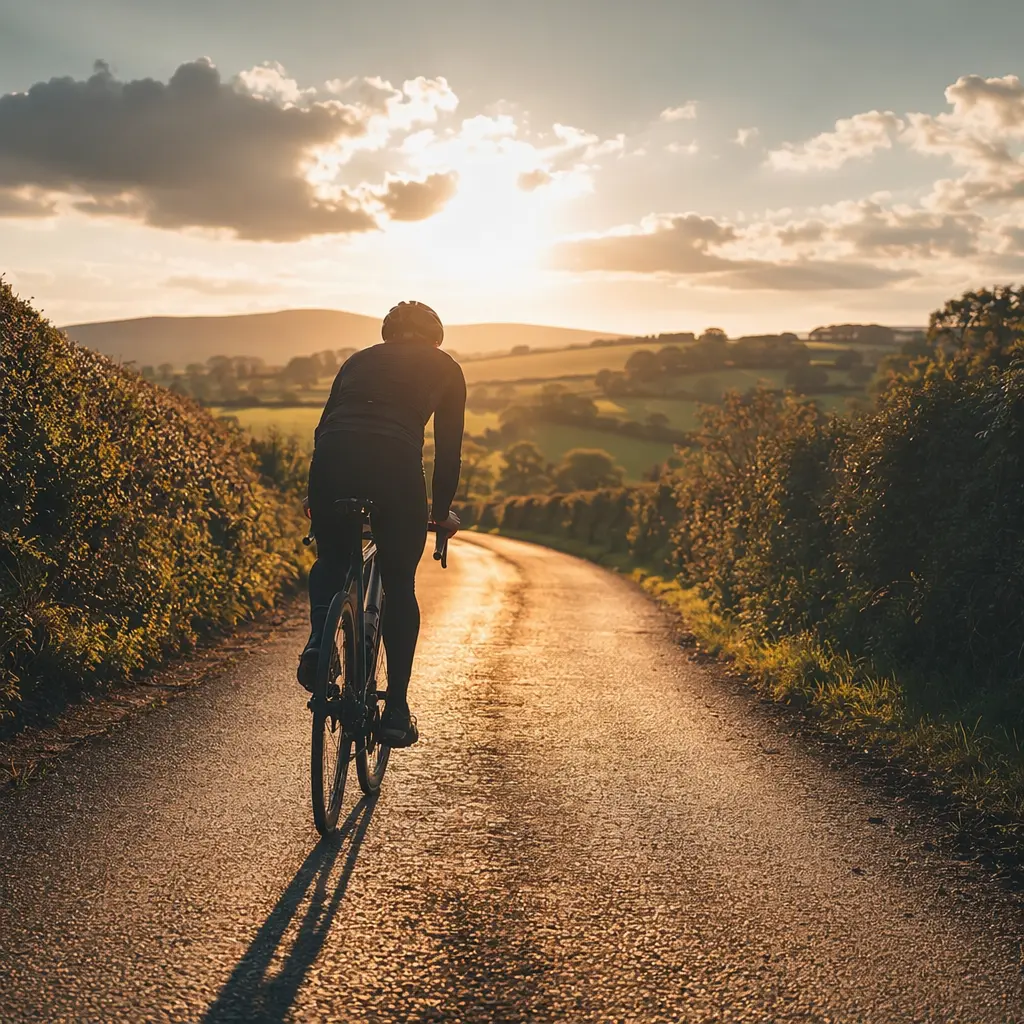
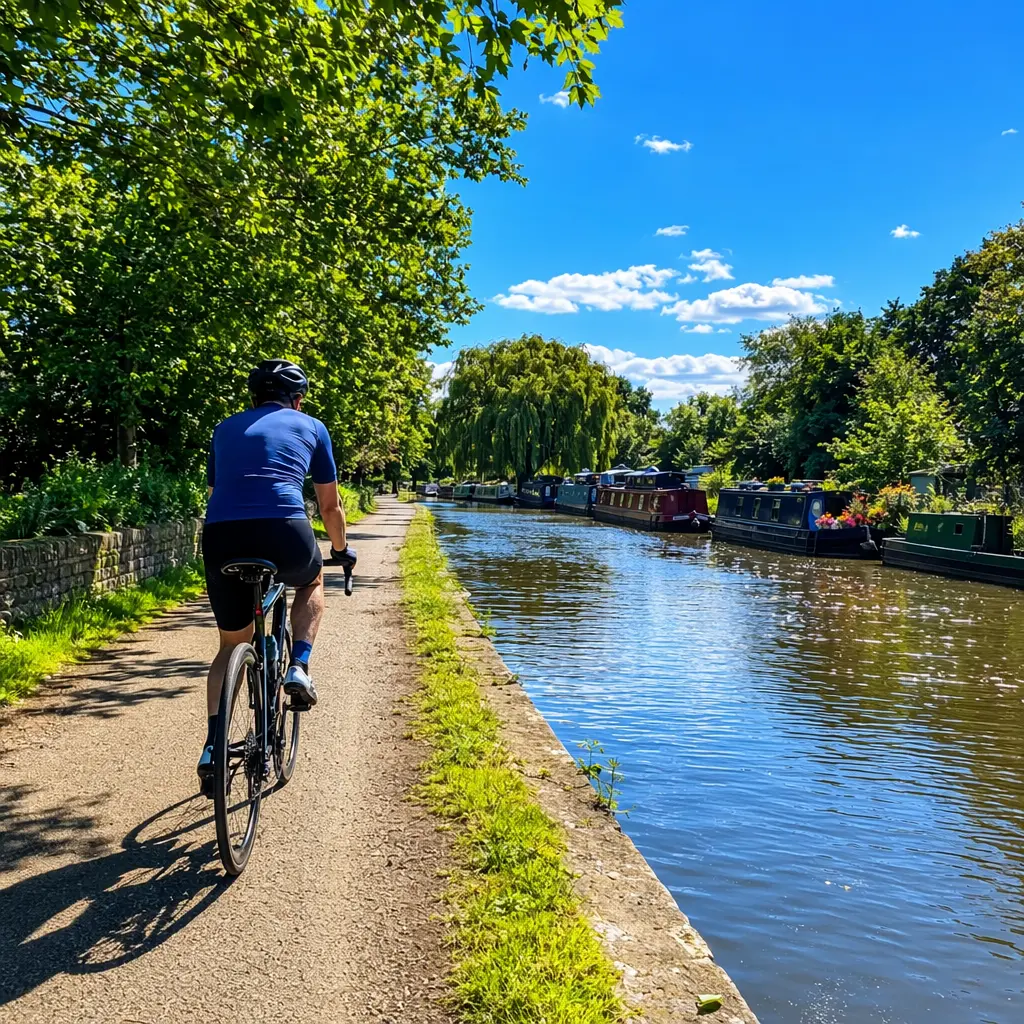
Many UK cyclists ride mainly at weekends, mixing quiet lanes with canal towpaths, bridleways or rougher back roads. The big decision is whether a traditional road bike or a newer gravel bike suits that kind of riding better. Both can work, but they prioritise comfort, speed and versatility in different ways.
What to look for
Gravel and road bikes share drop handlebars and a similar riding position, but details make a big difference on UK surfaces. When comparing them, focus on the parts that affect comfort, control and day-to-day usability.
- Gearing: Gravel bikes usually have lower gears, helpful on steep lanes, loose surfaces and when carrying a small load. Road bikes favour higher gears for speed on smooth tarmac.
- Frame material: Aluminium is common and good value on both. Steel often appears on gravel bikes for comfort, while carbon is more common on road bikes at higher budgets.
- Brake type: Modern gravel bikes use disc brakes as standard, giving consistent stopping in wet, muddy UK conditions. Road bikes may have disc or rim brakes depending on age and price.
- Geometry: Gravel bikes have a more relaxed geometry for stability and long rides. Road bikes are typically more aggressive and focused on speed.
- Fit and tyre clearance: Gravel frames allow wider tyres, which smooth out rough surfaces. Road bikes are limited to narrower tyres on many older or race-style frames.
- Weight: Road bikes are usually lighter, which matters on climbs and when accelerating, but the difference is less noticeable on mixed-surface leisure rides.
- Included accessories: Gravel bikes are more likely to have mounts for mudguards, panniers and extra bottles, useful for UK weather and longer days out.
Budget and what you're getting
At entry and mid-level budgets, gravel bikes tend to trade outright speed for practicality. You often get heavier frames and basic components, but also disc brakes, wide tyres and useful mounting points. Road bikes at similar prices usually feel quicker on smooth roads, but may cut costs with rim brakes or limited tyre clearance. Neither option is "better" overall – it depends on where you ride and how forgiving you want the bike to be on rough or broken surfaces.
Standout categories or types
Within both gravel and road bikes, there are sub-types that suit weekend riding better than others. Knowing these can narrow your search quickly.
- All-road or endurance road bikes: These sit between classic road and gravel bikes, with a comfortable geometry and clearance for slightly wider tyres. Good for mostly tarmac with the odd towpath.
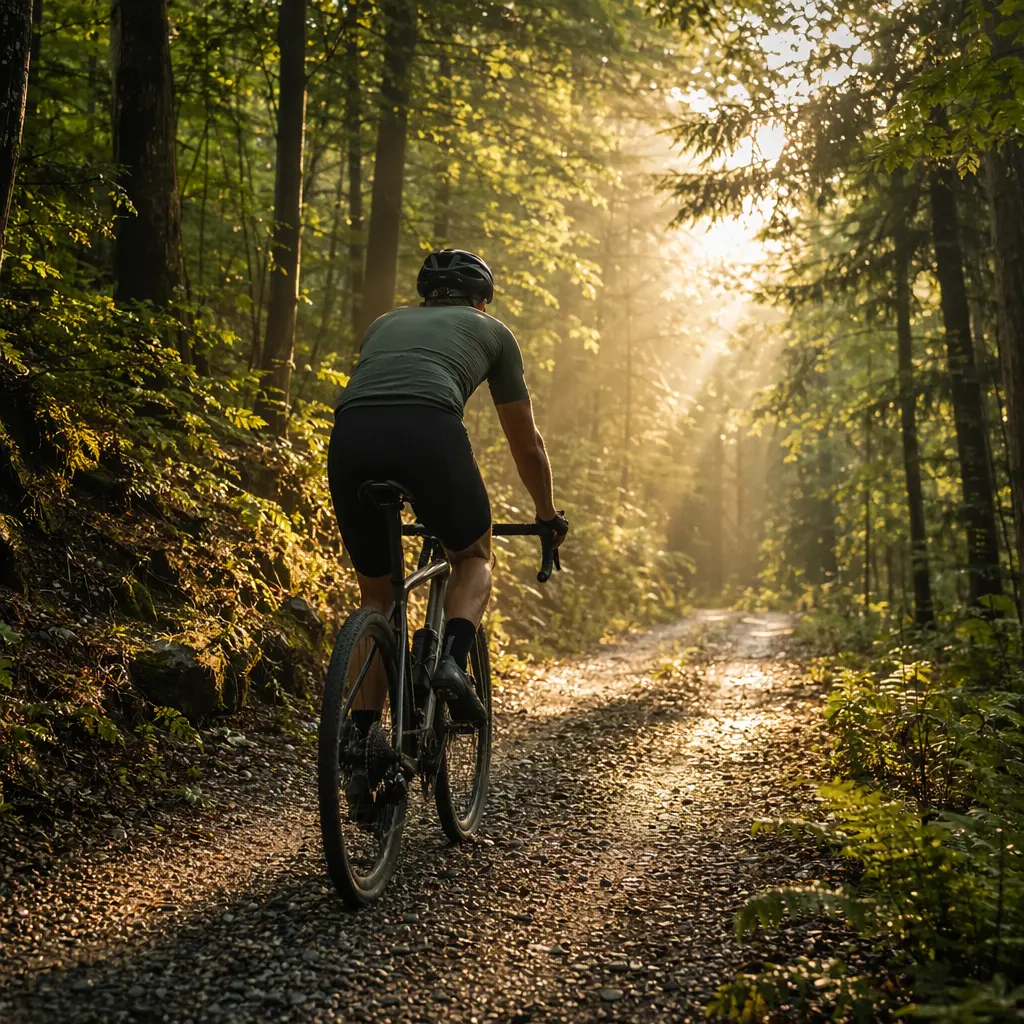
- Adventure-focused gravel bikes: Designed for stability and comfort rather than speed, often with lots of mounts. Ideal if your weekends include bridleways and rough tracks.
- Race-style road bikes: Light and fast, but least forgiving on poor surfaces. Best if you stick to smooth lanes and value speed above all else.
- Rigid vs suspension gravel bikes: Most gravel bikes are rigid. Suspension adds comfort off-road but increases cost and complexity, often unnecessary for towpaths and light gravel.
Frequently asked questions
Is a gravel bike slower than a road bike?
On smooth tarmac, yes – generally a little. Wider tyres, heavier frames and relaxed geometry all reduce outright speed. On rough roads or mixed surfaces, a gravel bike can feel faster overall because you stay comfortable and in control.
Can I ride long road distances on a gravel bike?
Absolutely. Many riders use gravel bikes for long road rides. Fitting smoother, slightly narrower tyres can make a noticeable difference to efficiency while keeping the bike versatile.
Are gravel bikes better for UK weather?
They often are. Disc brakes perform better in the wet, and clearance for mudguards makes winter and shoulder-season riding more pleasant.
What about canal towpaths and rough lanes?
This is where gravel bikes shine. Wider tyres at lower pressures handle loose surfaces and potholes with less jarring than most road bikes.
For UK weekend riding, the choice comes down to how varied your routes are. If you mostly ride smooth lanes and enjoy speed, a road bike still makes sense. If your rides wander onto towpaths, bridleways and broken tarmac, a gravel bike offers comfort and flexibility with only a small sacrifice in pace.
Find these on Amazon
As an Amazon Associate, CheapBikes earns from qualifying purchases.