Gravel bikes under £800: what’s worth paying for?
Shopping for a gravel bike under £800? This buyer’s guide explains where to spend your money on tyres, gearing and frame clearance—and where it’s fine to save—so you get a capable, reliable ride.

Gravel bikes promise one bike for roads, towpaths and rough tracks—but keeping the spend under £800 means making smart choices. At this price, you won’t get top-tier parts, yet you can still buy a dependable, versatile bike if you prioritise the right features. This guide explains what actually matters for UK riding, and where corners are often cut on budget gravel builds.
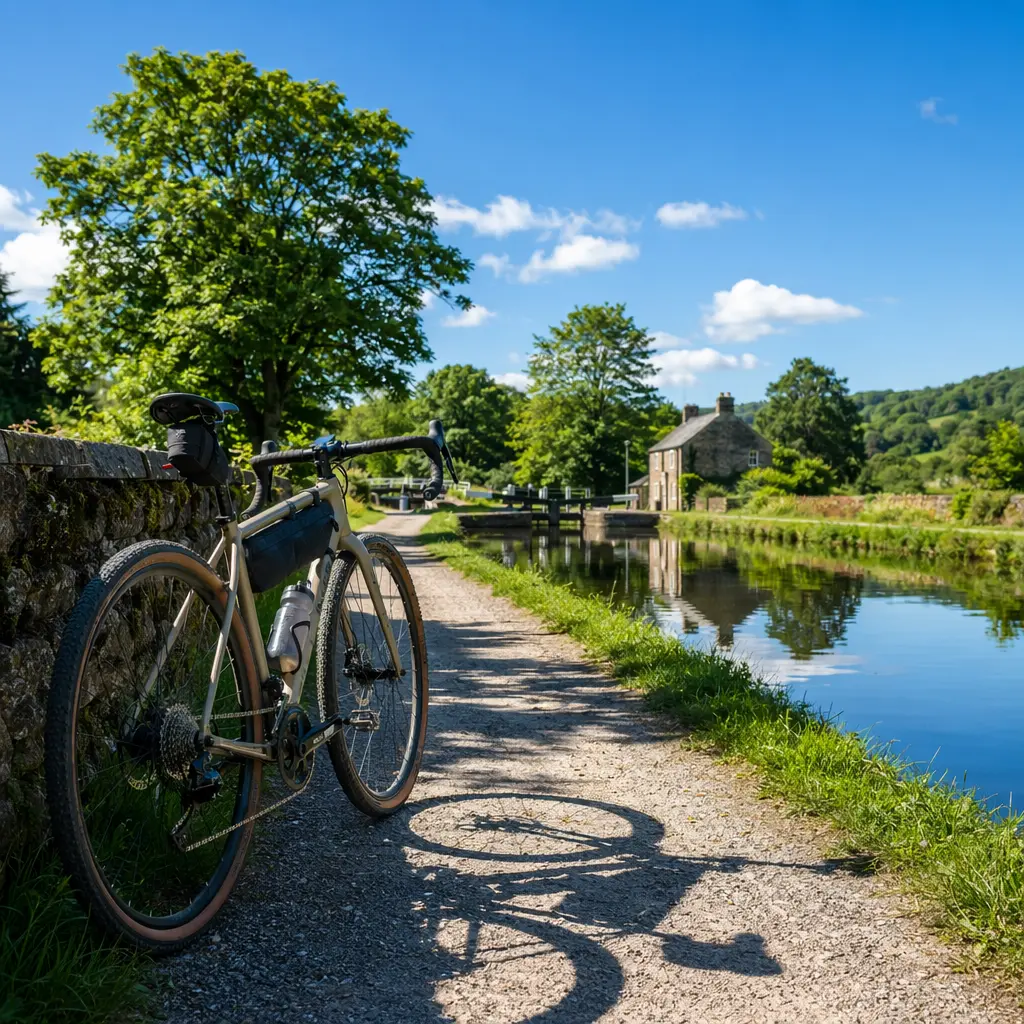
What to look for
Budget gravel bikes live or die by a few key decisions. Focus on these areas first, as they’ll affect comfort, reliability and where you can ride more than shiny finishing kit.
- Tyres: Look for at least 38mm width as standard, with room to go wider later. Tread should suit mixed surfaces, not pure road slicks.
- Frame material: Aluminium is most common under £800. It’s light and stiff, but comfort depends on tyre volume and geometry rather than the metal itself.
- Frame and fork clearance: Clearance for 40–45mm tyres (with mudguards) adds real versatility for winter lanes and bridleways.
- Gearing: Wide-range gearing matters more than brand names. A compact double or 1x setup with an easy climbing gear is ideal for loaded rides.
- Brake type: Mechanical disc brakes are typical. They’re less powerful than hydraulic but easier to maintain and cheaper to replace.
- Geometry and fit: A slightly relaxed position helps on long rides and rough surfaces. Stack height and reach matter more than headline size labels.
- Weight: Don’t chase the lightest number. A kilo saved often means compromises elsewhere at this price.
- Included accessories: Mounts for mudguards, racks and bottle cages are a big plus for commuting or bikepacking.
Budget and what you’re getting
Under £800, expect solid but unspectacular components. Drivetrains will shift reliably rather than crisply, wheels will be strong rather than light, and finishing kit will prioritise durability over finesse. That’s not a bad thing for UK gravel riding, where wet weather and grit punish delicate parts. The trade-off is upgrade potential: many riders swap tyres first, then consider better brake pads or wheels later if the frame allows.
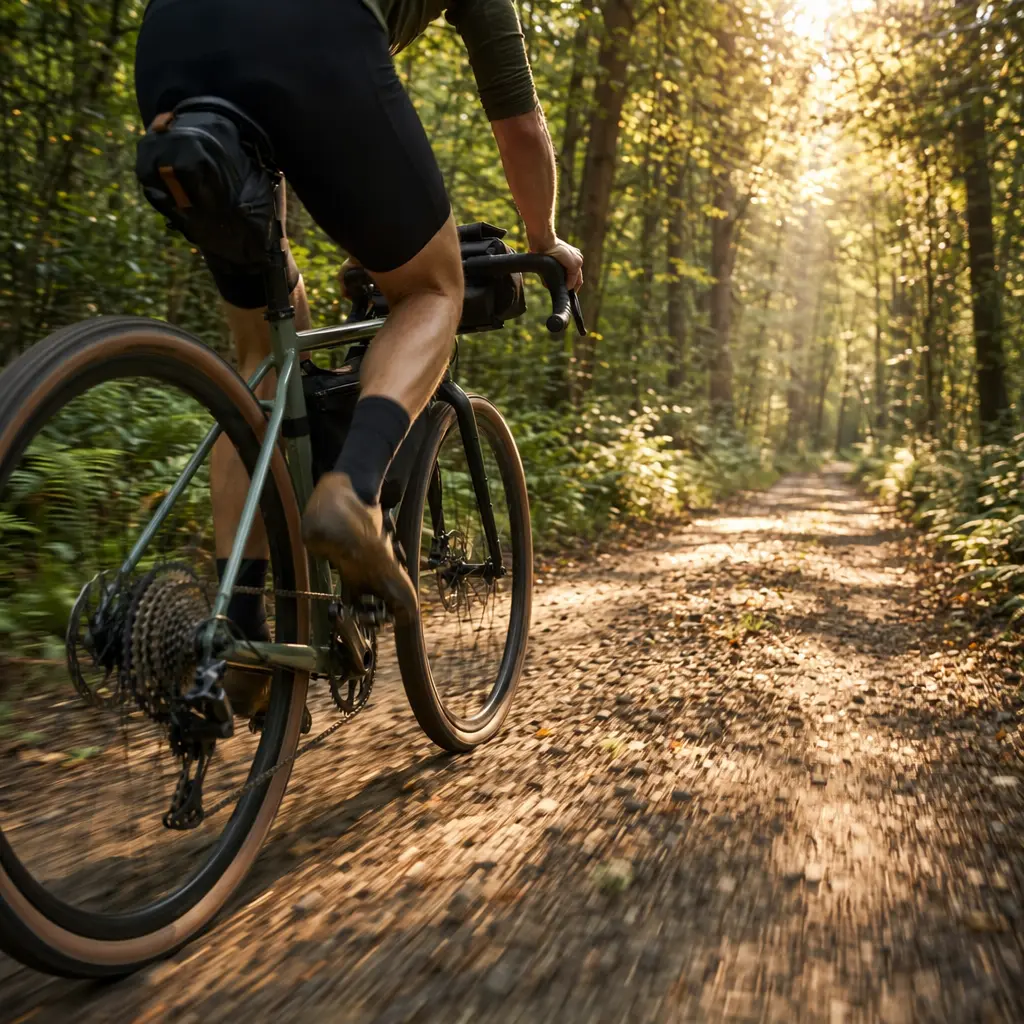
Standout categories or types
Not all budget gravel bikes aim for the same rider. Knowing which ‘type’ suits you helps avoid disappointment.
- Road-leaning gravel bikes: Lighter feel and faster on tarmac, but often limited to narrower tyres. Best if your rides are mostly lanes with occasional hard-packed paths.
- Adventure-focused gravel bikes: Slacker geometry and bigger tyre clearance. Slightly heavier, but more confident on rough bridleways and forest tracks.
- 1x vs 2x drivetrains: 1x is simpler and quieter off-road, while 2x gives closer gear steps for mixed road use. Both can work well if the gear range is wide enough.
Frequently asked questions
Are gravel bikes under £800 suitable for UK winters?
Yes, provided there’s clearance for proper mudguards and tyres with some tread. Mechanical disc brakes and alloy frames cope well with wet conditions, though regular cleaning helps longevity.
Can I use one for commuting as well?
Most budget gravel bikes double up well as commuters. Look for rack mounts for panniers and space for full-length mudguards to keep things practical year-round.
Is it worth upgrading parts later?
Tyres offer the biggest improvement per pound. Beyond that, brake pads and cables are inexpensive upgrades. Expensive drivetrains rarely make sense unless the frame truly suits you.
How wide should my tyres be?
For mixed UK riding, 38–42mm is a sweet spot. Wider tyres add comfort and grip without a big speed penalty on rough lanes.
A gravel bike under £800 won’t be glamorous, but it can be hugely capable. Prioritise tyre clearance, sensible gearing and a comfortable fit, and you’ll end up with a bike that handles everything from weekday commutes to weekend exploring—without stretching the budget.
Find these on Amazon
As an Amazon Associate, CheapBikes earns from qualifying purchases.