What to look for in a folding bike for trains and flats
A practical, value-focused guide to choosing a folding bike for UK trains and small flats, covering weight, folded size, wheel choice, reliability and everyday usability.
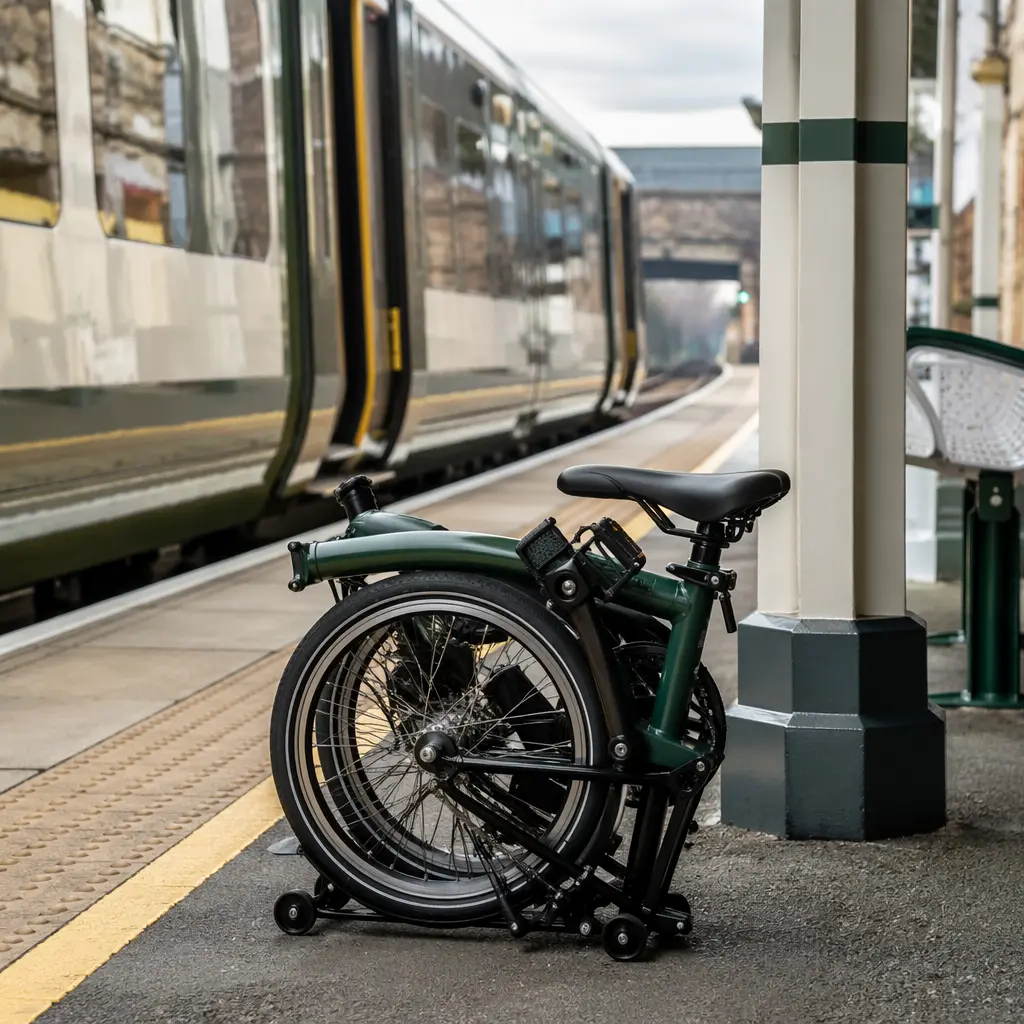
Folding bikes make sense if you mix cycling with trains or live in a flat where space is tight. The challenge is choosing one that’s genuinely easy to carry, quick to fold and reliable day to day, without paying over the odds. This guide focuses on the practical details that matter most for UK riders using trains and storing a bike indoors.
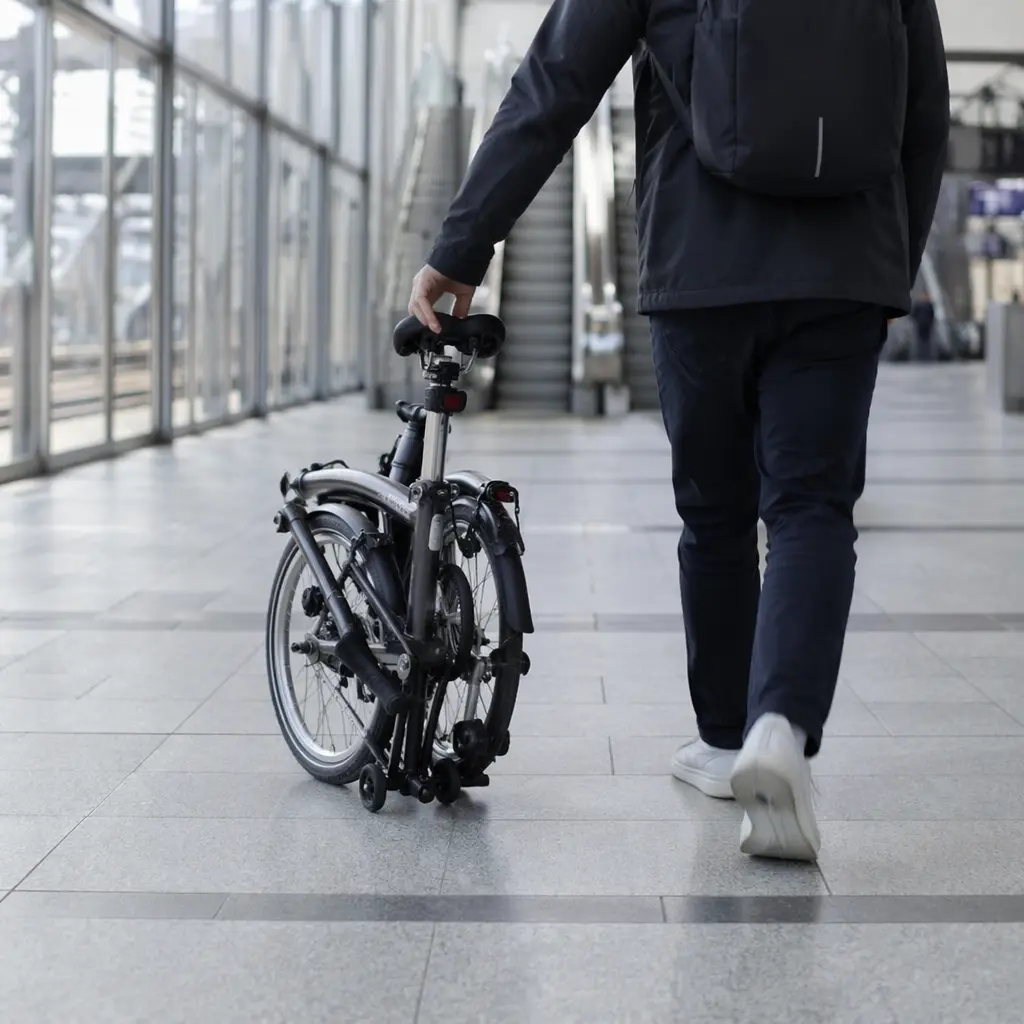
What to look for
A good folding bike is a balance of portability and ride quality. For trains and flats, the way it folds and how manageable it is off the bike often matters more than outright speed.
- Weight: Lighter bikes are easier on stairs and platforms. Anything under about 13kg is manageable for most people; heavier models can feel awkward when lifted repeatedly.
- Folded size: Check the dimensions when folded, not just the wheel size. Smaller folds fit better in luggage racks and cupboards and are less likely to annoy fellow passengers.
- Wheel size: Common options are 16in, 18in and 20in. Smaller wheels fold tighter; larger wheels feel more stable and cope better with rough roads.
- Folding mechanism: Look for solid hinges with safety catches. The fold should be quick and not rely on tools.
- Gearing: Simple drivetrains suit short, urban trips. A wider gear range helps if your commute includes hills.
- Brakes: Rim brakes are lighter and cheaper; disc brakes offer better wet-weather performance but add weight and cost.
- Fit and geometry: Folding bikes tend to have upright positions. Make sure the saddle and handlebar adjust enough for your height.
- Included accessories: Mudguards, a rear rack or magnets to keep the bike folded can save money later.
Budget and what you're getting
At lower prices, expect a heavier frame, simpler hinges and basic components. That doesn’t mean a folding bike won’t do the job, but you may notice flex when pedalling and need more frequent adjustments. As prices rise, weight usually drops, folding becomes slicker and parts last longer. For train use, paying a bit more for a secure, compact fold can be better value than chasing lightweight parts alone.
Standout categories or types
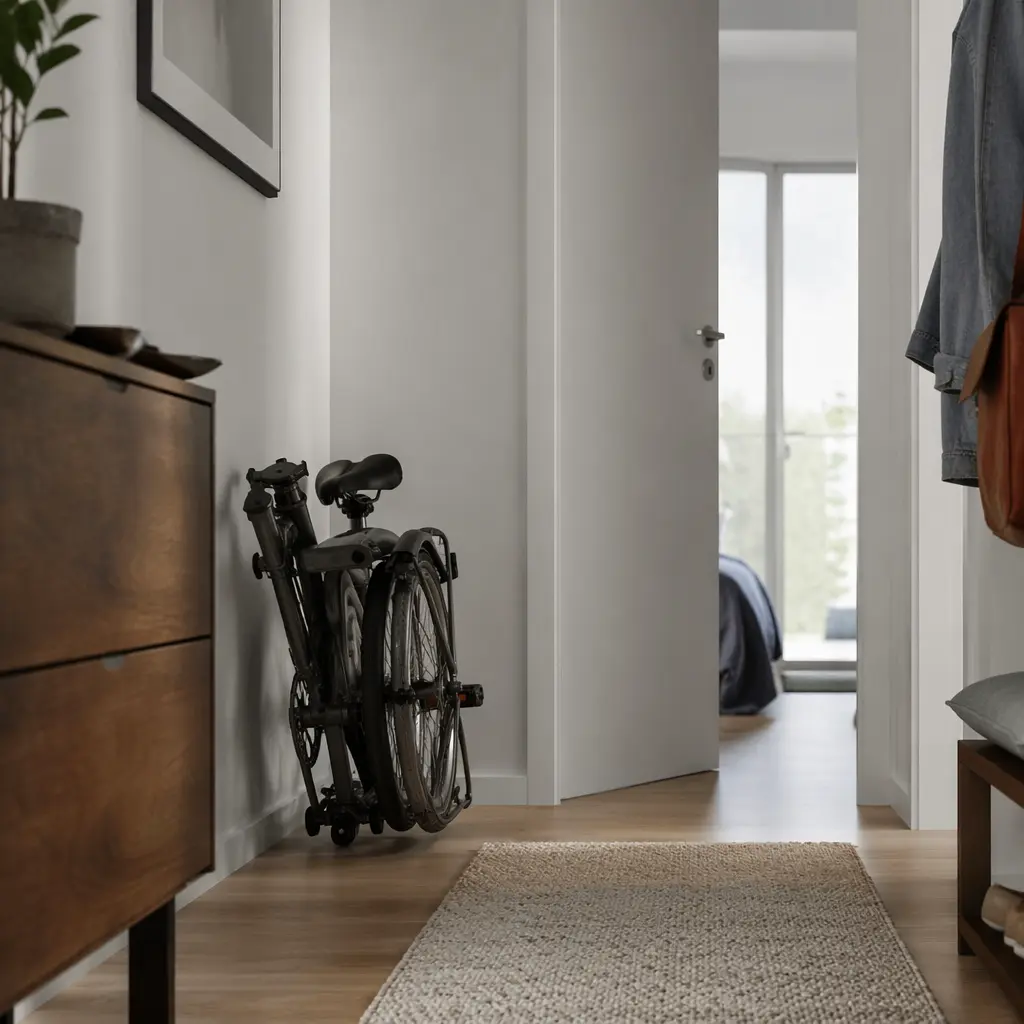
Not all folding bikes are designed with trains and flats in mind. Understanding the main types helps narrow the choice.
- Ultra-compact folders: Prioritise the smallest possible fold. Ideal for busy trains and tiny flats, but often cost more and can feel twitchy on longer rides.
- Mid-size 20in folders: A popular compromise, offering a comfortable ride and easier parts sourcing, with a fold that still works for most storage spaces.
- Heavier budget folders: Cheaper and robust, but bulkier when folded. Better for occasional train use rather than daily peak-time travel.
Frequently asked questions
Are folding bikes allowed on UK trains?
Yes, most train operators allow folding bikes at any time as luggage, provided they’re folded. Policies vary, so it’s worth checking if covers are required on specific services.
Do smaller wheels mean a slower ride?
Smaller wheels accelerate quickly but don’t roll over bumps as smoothly. For short urban trips, the difference is minor; tyre quality and gearing matter just as much.
How durable are folding hinges?
Well-made hinges last years if kept clean and tightened correctly. Cheaper designs may need more frequent checks. A solid latch with a secondary safety catch is a good sign.
Can a folding bike replace a full-size commuter?
For many riders, yes. If your routes are short to medium distance and mostly paved, a folding bike can be a practical everyday option, with the added benefit of easy storage.
Choosing a folding bike for trains and flats is about making daily life easier. Focus on weight, folded size and a dependable folding system, and you’ll end up with a bike that fits your routine rather than complicating it.
Find these on Amazon
As an Amazon Associate, CheapBikes earns from qualifying purchases.