Best Folding Bikes for Daily Commuting Under £1,000
A buyer’s guide to folding bikes under £1,000 for UK commuters, focusing on reliability, carry weight and fold quality for everyday train travel and flat urban rides.
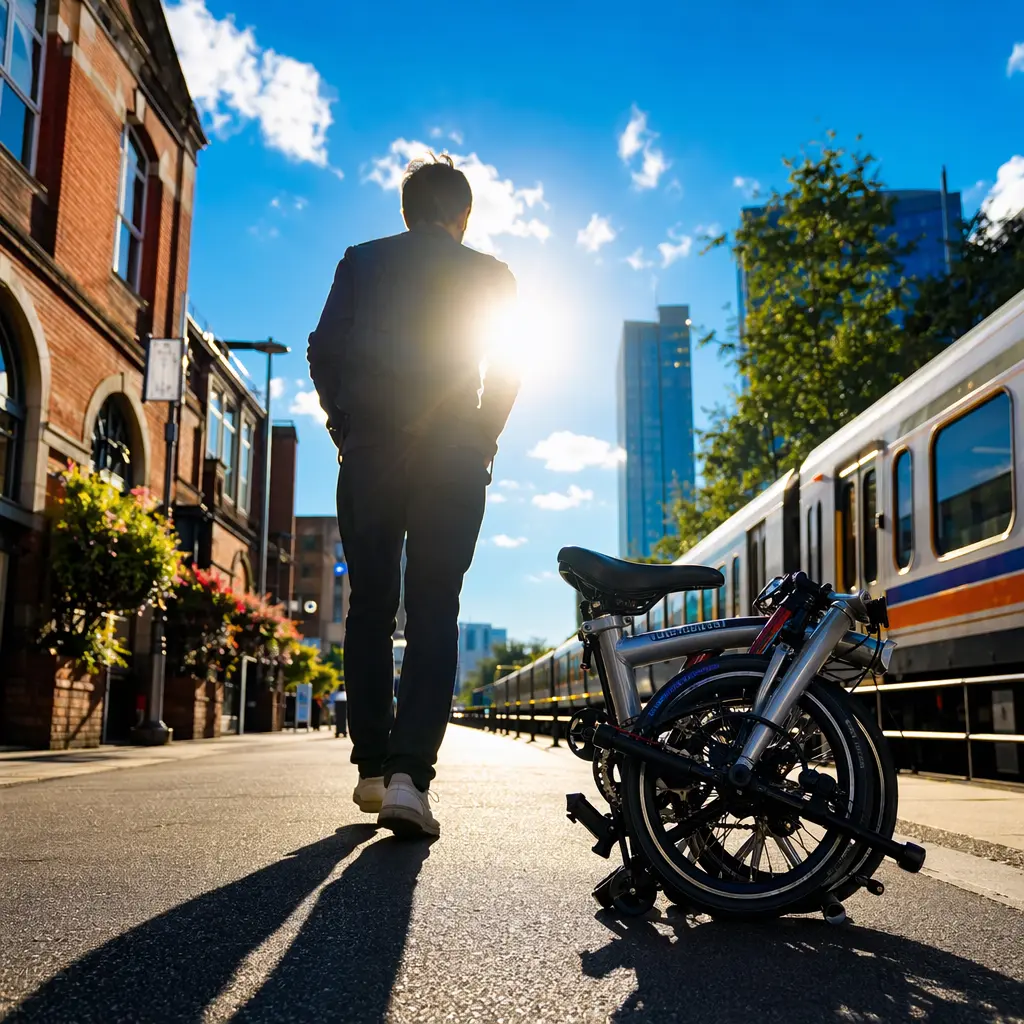
Folding bikes make everyday commuting simpler when your journey mixes cycling with trains, buses or limited storage at work or home. With a budget under £1,000, you’re looking for something dependable rather than flashy: a bike that folds quickly, carries easily and stands up to daily use on mostly flat routes. This guide explains what matters at this price point, where the compromises usually sit, and how to choose a folding bike that fits your commute.
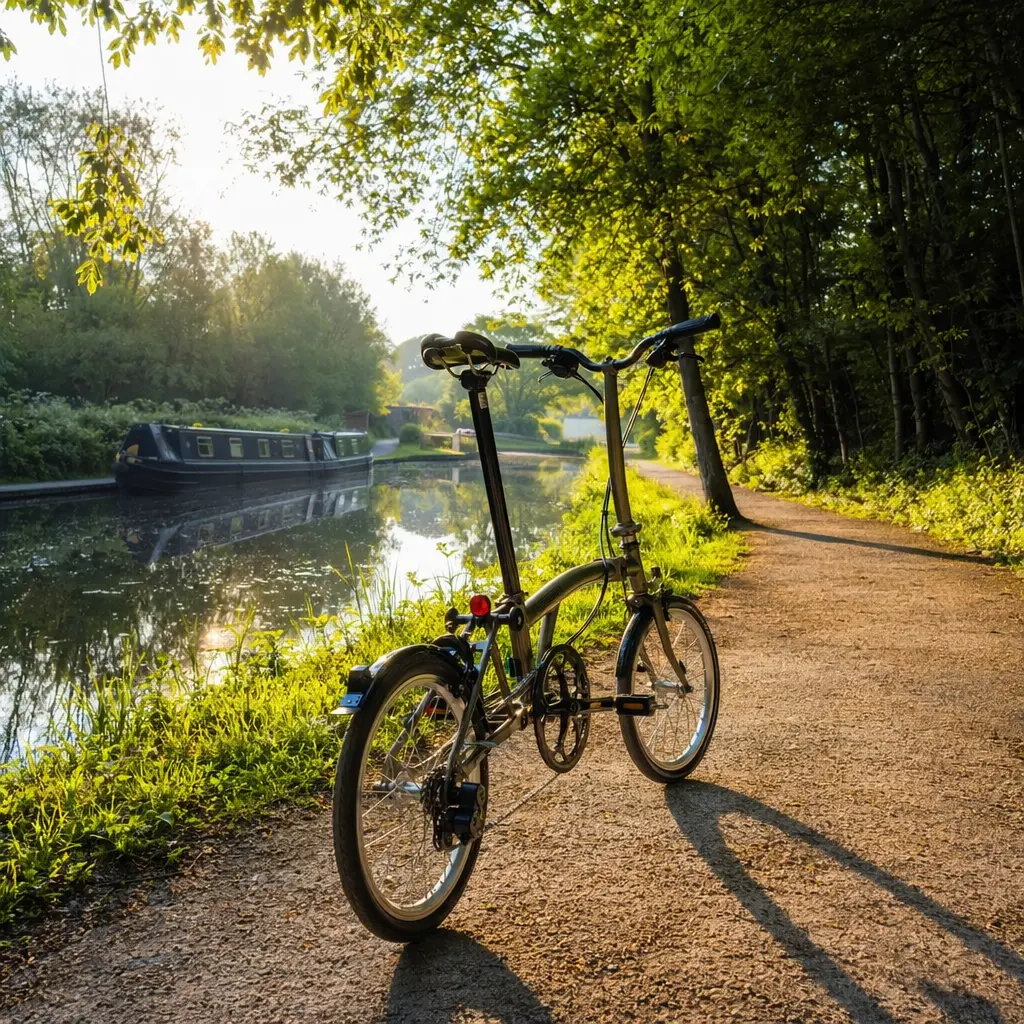
What to look for
Folding bikes are about practical details. On a daily commute, small differences in design can make a big difference to reliability and ease of use, especially if you’re lifting the bike onto trains or storing it under a desk.
- Fold mechanism and speed: Look for a simple, proven folding system that locks securely. A good fold should take under 30 seconds and feel solid when unfolded.
- Carry weight: Folding bikes are often lifted more than ridden. Many models in this range weigh roughly 11–14kg; lighter is easier on stairs, but sturdiness matters too.
- Frame material: Aluminium frames are common for keeping weight down. Steel is heavier but can feel more forgiving and is easier to repair if damaged.
- Gearing: For flat urban routes, a 3–7 speed setup is usually enough. Internal hub gears need less maintenance; derailleur gears offer a wider range for the money.
- Brakes: Rim brakes are common and fine for city use if set up well. Some bikes offer mechanical disc brakes, which cope better in wet weather.
- Wheel size and tyres: Smaller wheels (typically 16–20 inch) help with a compact fold. Slightly wider tyres add comfort and stability on rough tarmac.
- Included accessories: Mudguards and a rear rack save money later and make the bike more practical for everyday commuting.
Budget and what you're getting
Between £500 and £1,000 is a strong value zone for folding bikes. You can expect reliable components, a sturdy frame and a fold that’s good enough for daily use. What you usually won’t get is ultra-light weight, premium internal gear hubs or an exceptionally compact fold designed for airline luggage. Finishing kit may be basic, and wheels can need occasional truing if the bike is heavily loaded. The upside is that these bikes are easier to maintain and cheaper to repair, which matters over years of commuting.
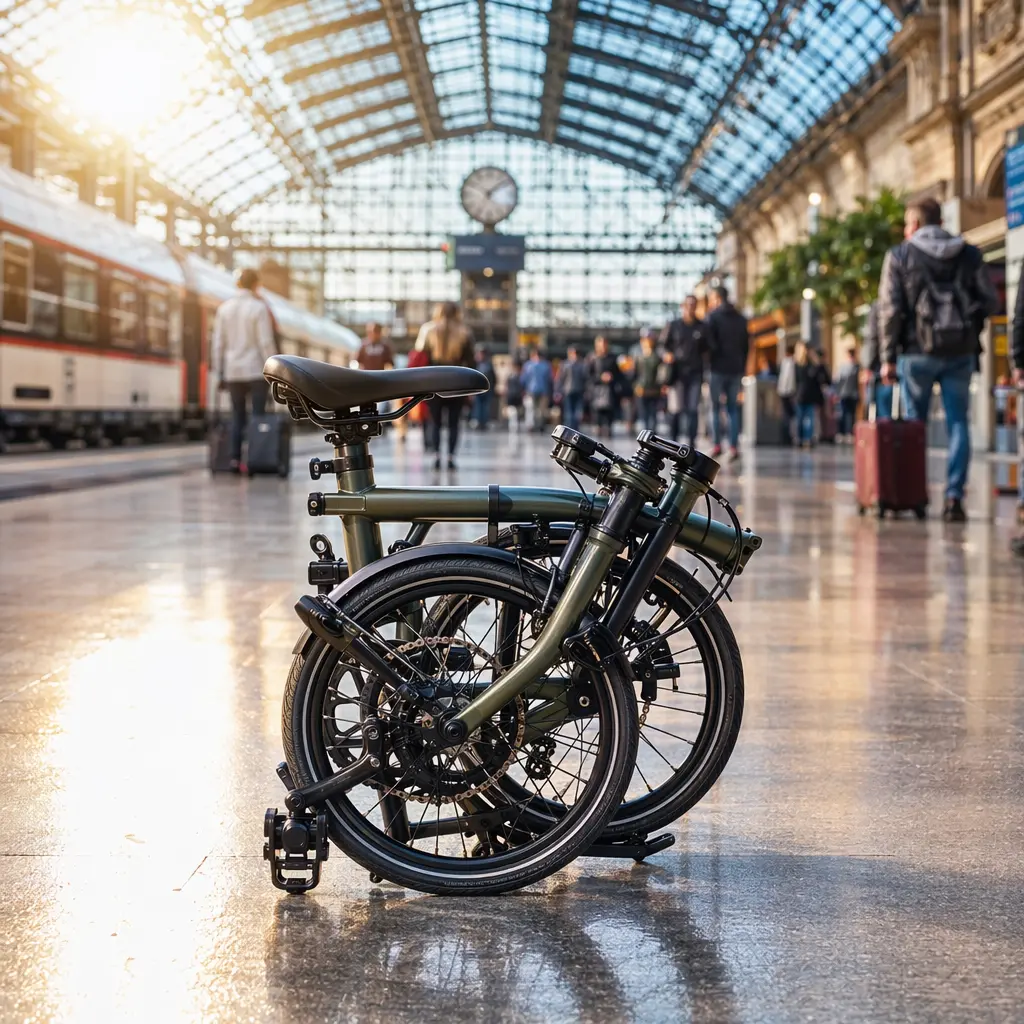
Standout categories or types
Not all folding bikes feel the same, even within the same budget. The design choices tend to cluster into a few clear types, each suited to a slightly different commute.
- Ultra-compact folders: These prioritise the smallest possible folded size, ideal for busy trains or small flats. They can feel twitchy at speed but are very convenient to carry.
- Comfort-focused folders: Often with slightly longer wheelbases or wider tyres, these ride more like a small-wheeled hybrid. The fold is bigger, but stability and comfort improve.
- Rack-ready commuters: Designed to work well with panniers and mudguards, these suit riders carrying a laptop or change of clothes. Check the rack’s weight rating before loading up.
Frequently asked questions
Are folding bikes suitable for daily commuting?
Yes, provided they’re built for it. A well-made folding bike handles daily rides on flat or gently rolling routes without issue. Regular checks on hinges and bolts are important, but that’s part of normal maintenance.
How small do they fold compared to a normal bike?
Most folding bikes under £1,000 reduce to roughly a third of the size of a standard bike. That’s usually enough for train luggage areas, hall cupboards or under-desk storage, even if it’s not the smallest possible fold on the market.
Can they carry panniers and work bags?
Many can, especially those with a rear rack included or available as an add-on. Check weight limits and make sure the panniers don’t interfere with the fold.
Do smaller wheels make the ride uncomfortable?
Smaller wheels feel different, but not necessarily uncomfortable. Wider tyres run at lower pressure help smooth out rough roads, and for city speeds they’re perfectly practical.
A folding bike under £1,000 won’t try to be everything, but it can be a dependable tool for everyday commuting. Focus on a solid fold, manageable weight and practical extras, and you’ll end up with a bike that fits smoothly into daily travel rather than complicating it.
Find these on Amazon
As an Amazon Associate, CheapBikes earns from qualifying purchases.