£600 e-bike vs £1,200 e-bike: what you really give up
A clear look at the real-world differences between £600 and £1,200 e-bikes — covering motor feel, battery life, weight and reliability, and where the extra money actually goes.
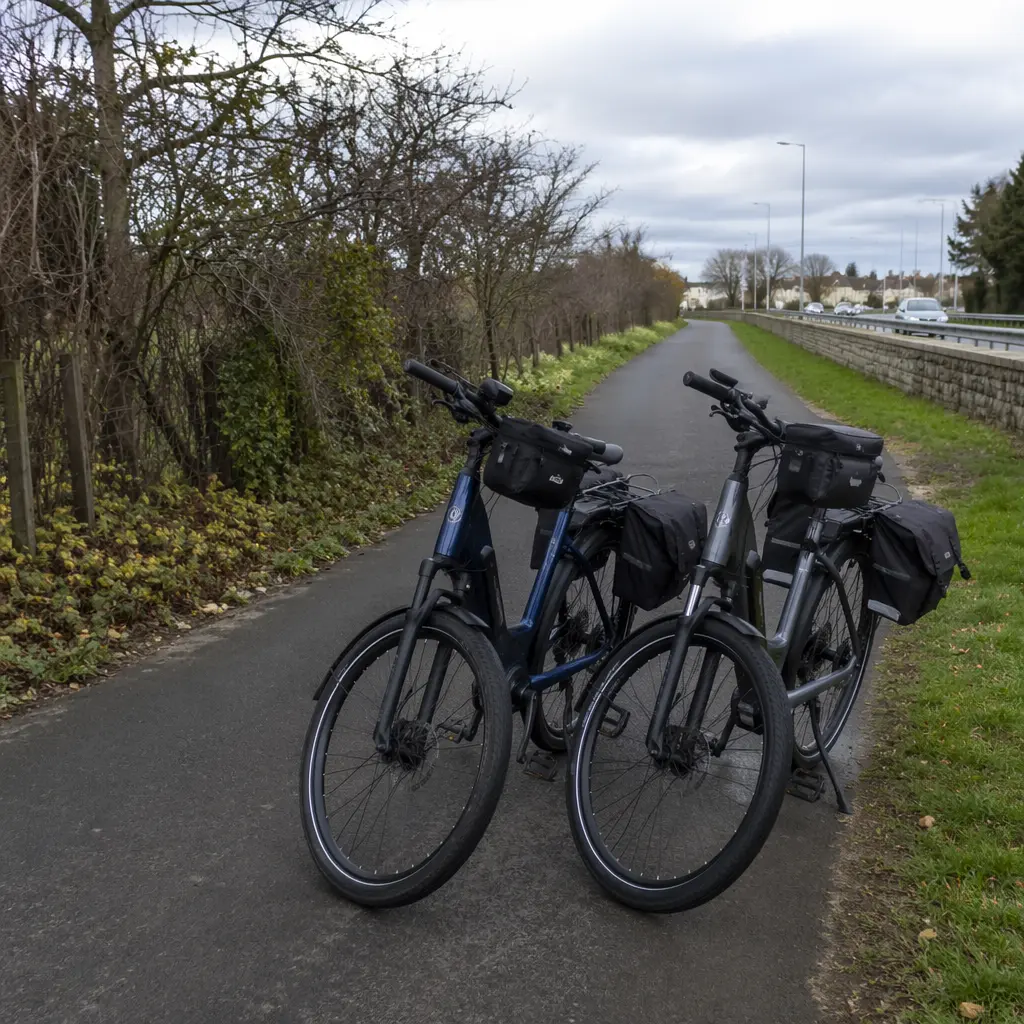
A £600 e-bike and a £1,200 e-bike can look surprisingly similar at first glance. Both promise pedal assistance, usable range and a cheaper alternative to driving. The difference shows up over time — in how the motor feels on hills, how often the battery needs charging, and how heavy and durable the bike feels day to day. This guide breaks down what you actually give up at £600, and when paying closer to £1,200 makes sense for UK riders.
What you actually get at this price
At around £600, most e-bikes are built to meet a price target first. They will get you moving with legal pedal assist, but components are chosen for cost rather than refinement. At £1,200, you are not buying luxury — you are buying fewer compromises in the parts that affect everyday riding.
Here is where the money typically goes at each level:
- Motor: £600 bikes usually use basic rear-hub motors with limited torque, noticeable lag when starting, and less natural assistance. £1,200 bikes often have stronger hub motors or entry-level mid-drive systems that feel smoother and cope better with hills.
- Battery: Cheaper bikes tend to use smaller-capacity batteries with lower-quality cells. Expect shorter real-world range and faster long-term degradation. £1,200 bikes usually offer higher capacity and better battery management.
- Weight: £600 e-bikes are often very heavy, commonly over 25kg, making stairs, trains and storage awkward. Spending more typically saves a few kilos through better frames and components.
- Brakes: Mechanical disc brakes or basic V-brakes are common at £600. £1,200 bikes more often use hydraulic disc brakes with better control, especially in wet UK weather.
- Drivetrain: Entry-level gearing with fewer ratios is typical at £600. £1,200 buys smoother shifting and wider gear range, which matters on mixed terrain.
- Extras: Integrated lights, decent mudguards and usable racks are hit-and-miss at £600. At £1,200, these are more likely to be properly fitted and reliable.
How to choose
The right budget depends on how and where the bike will be used. Flat, short urban trips place very different demands on an e-bike than longer commutes or hilly routes. A £600 e-bike can work for occasional riding on gentle terrain, especially if storage space and lifting are not issues.
If the bike will replace regular car or train journeys, the £1,200 level becomes easier to justify. The smoother motor response reduces fatigue, the extra range cuts charging anxiety, and better brakes and tyres make the bike feel safer year-round. Fit and geometry also tend to be more forgiving, with less twitchy handling and better stability at speed.
What to look out for
- Optimistic range claims that assume low assistance and flat terrain
- Very heavy frames that are hard to lift over kerbs or onto racks
- Poorly sealed electrical connections vulnerable to rain
- Non-standard batteries that are expensive or impossible to replace
- Weak brakes paired with high overall weight
- Limited dealer or warranty support in the UK
Worth spending more on
If the bike budget is fixed at £600, there are still areas where spending a little extra pays off. Tyres are the biggest upgrade per pound: puncture-resistant tyres transform reliability and confidence. A better saddle can also make a budget e-bike far more comfortable on longer rides.
For £1,200 buyers, focus less on cosmetic features and more on parts that are expensive to upgrade later. Battery quality, brake performance and overall weight are hard to fix after purchase. Accessories like locks, helmets and lights can always be added, but a weak motor or poor battery will define the bike for its entire life.
Frequently asked questions
Is a £600 e-bike bad?
Not necessarily. It can be a practical way into e-bikes for light use on flat routes. The compromises become more noticeable with hills, longer distances and frequent riding.
Will a £1,200 e-bike last longer?
Generally yes. Better batteries, brakes and drivetrain parts tend to wear more slowly and cope better with daily use, reducing replacement costs over time.
Is the weight difference really noticeable?
Yes. Even a 3–4kg difference matters when lifting the bike, pushing it uphill without power, or riding with the battery flat.
Can I upgrade a £600 e-bike later?
Some parts can be improved, but motors and batteries usually cannot be upgraded economically. It is often cheaper to buy better at the start if the bike will be heavily used.
In short, £600 buys basic electric assistance, while £1,200 buys a bike that feels easier, safer and more durable to live with — the right choice depends on how much you plan to rely on it.
Find these on Amazon
As an Amazon Associate, CheapBikes earns from qualifying purchases.