The Surly Long Haul Trucker: the steel tourer with a cult UK following
Built for loaded miles rather than showroom flash, the Surly Long Haul Trucker became a favourite among UK tourers, commuters and riders chasing dependable steel comfort over huge distances.

The Surly Long Haul Trucker sits in a corner of the cycling world that values durability, comfort and practicality over low weight or fashion. Introduced during the late-2000s touring-bike revival, it became one of the defining steel touring bikes for riders planning anything from weekend camping trips to transcontinental journeys. In the UK, the Long Haul Trucker earned its reputation through bike shops, touring forums and countless heavily loaded commutes rather than glossy advertising campaigns. Even now, years after newer gravel bikes reshaped the market, the Trucker remains shorthand for a bike that can carry serious luggage and keep going for decades with basic maintenance.
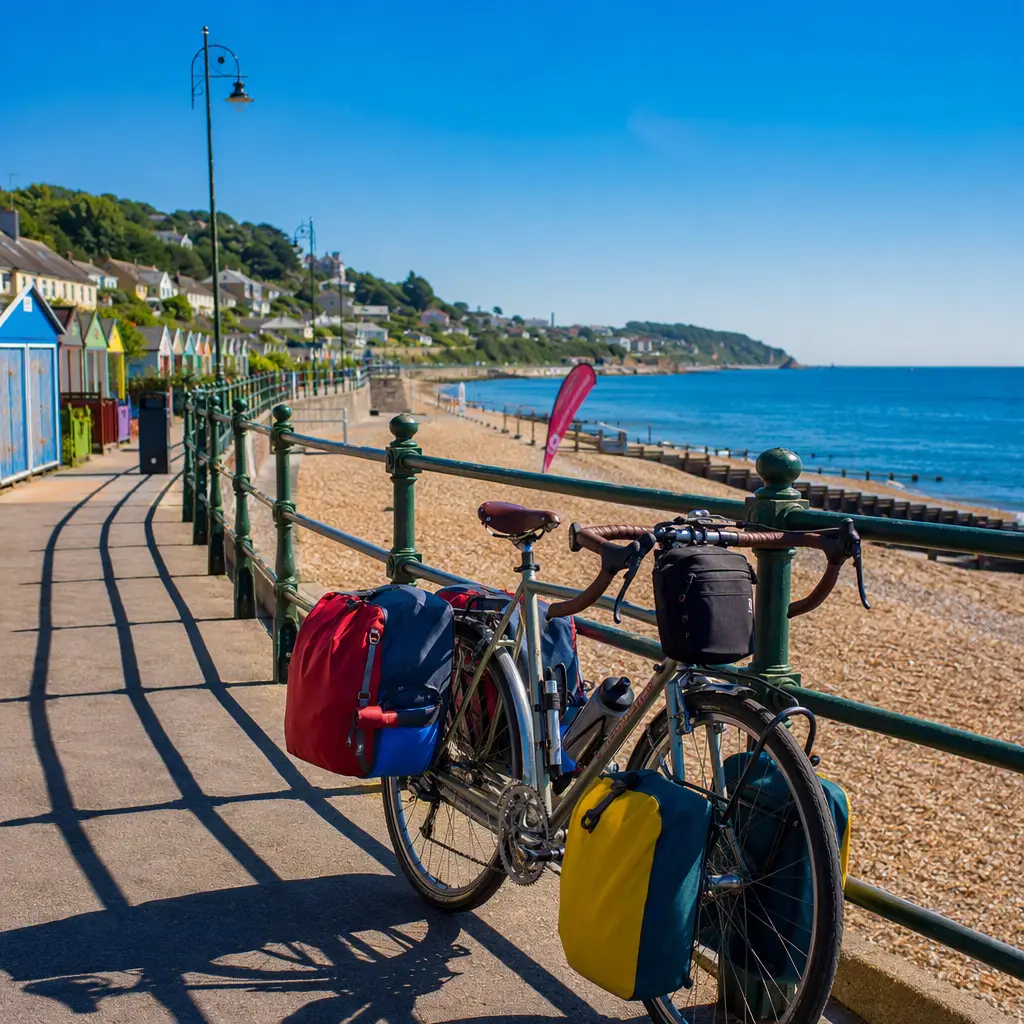
Where it came from
Surly launched the Long Haul Trucker in 2007, at a time when traditional loaded touring bikes were becoming harder to find from mainstream brands. While racing-inspired road bikes and lightweight hybrids dominated many shop floors, Surly focused on steel frames, practical fittings and adaptable geometry. The company already had a reputation for no-nonsense bikes built around real-world riding, and the Trucker quickly became its defining touring machine.
In the UK, the Long Haul Trucker arrived through independent bike shops and specialist touring retailers rather than mass-market chains. That suited its audience. Riders buying one were often planning LEJOG trips, European camping holidays or daily commutes carrying laptops, shopping and waterproofs. Its appeal was not speed. It was reliability. The chromoly steel frame, generous mounting points and stable handling gave riders confidence when carrying heavy panniers over rough roads, kerbs and unpredictable weather.
Why it works
The Long Haul Trucker works because nearly every part of the bike was designed around loaded riding. The geometry is long and stable rather than twitchy. Chainstays are extended to prevent heel strike with panniers. The steel tubing offers a slightly forgiving ride feel on broken roads, particularly important during all-day rides. Tyre clearance is generous for a traditional touring bike, allowing wider rubber that helps comfort and grip on poor surfaces.
Another reason for its long-lasting popularity is simplicity. Many versions used conventional quick-release wheels, threaded bottom brackets and widely available components. That matters on long-distance rides where easy repairs can be more valuable than chasing the latest standards. Disc-brake versions arrived later, but even the rim-brake bikes still have loyal supporters because they are straightforward to maintain and easy to source parts for almost anywhere.
- Steel chromoly frame and fork built for heavy luggage loads
- Front and rear rack mounts plus mudguard eyelets
- Stable geometry suited to panniers and long-distance comfort
- Clearance for wider touring tyres
- Repair-friendly standards and widely available parts
- Relaxed riding position for long days in the saddle
Who it's for
The Long Haul Trucker suits riders who prioritise carrying capacity, comfort and long-term ownership over speed or low weight. Touring riders remain the obvious audience, but the bike also developed a following among year-round commuters, utility riders and people converting bikes for bikepacking. In UK cities, it became popular with riders who wanted one dependable machine capable of weekday commuting and loaded weekend escapes. New, bikes in this category typically sat in the mid-to-upper touring bracket, while second-hand examples now vary widely depending on condition and specification, often landing somewhere around £500-1,200 used.
Variants and what to look for today
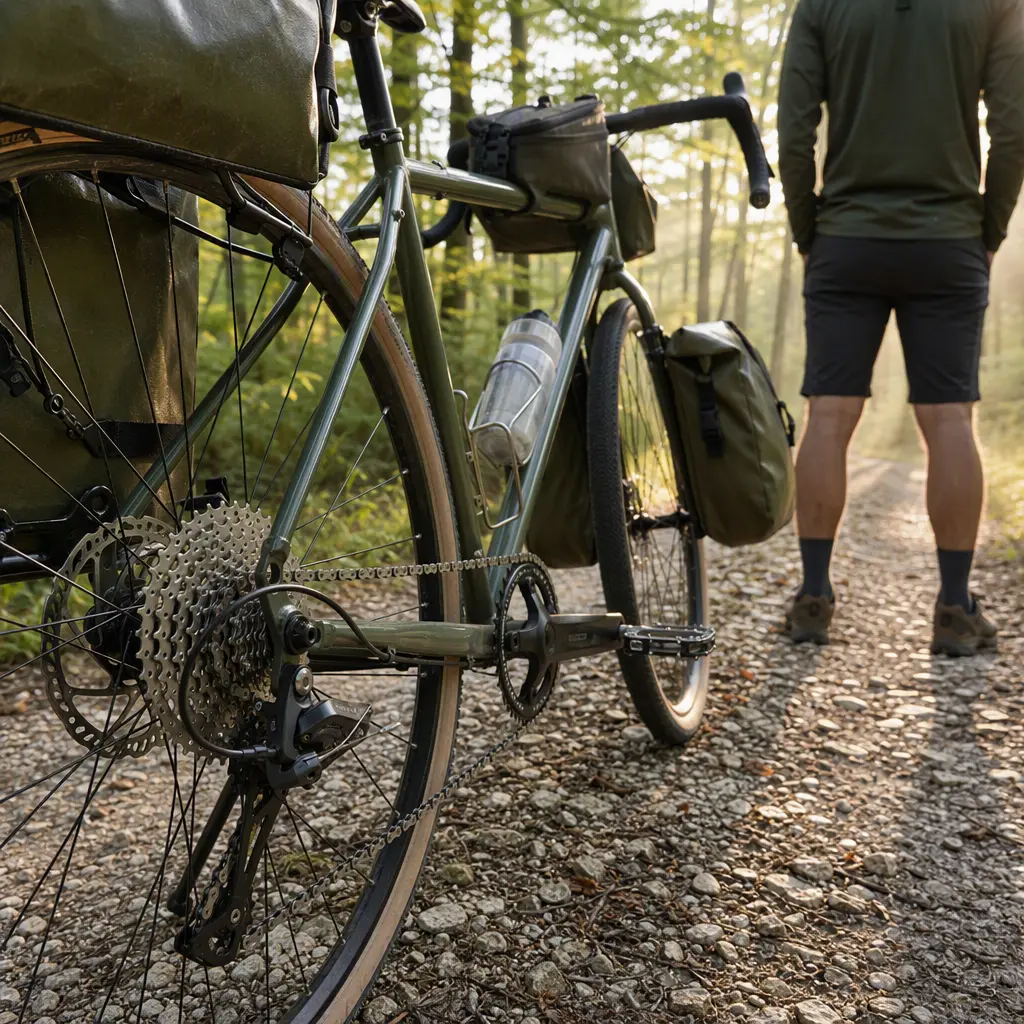
Over the years, the Long Haul Trucker appeared in several wheel sizes and specifications. Smaller frame sizes often used 26-inch wheels for fit and handling reasons, while larger sizes commonly ran 700c wheels. Some riders still specifically seek the 26-inch versions because touring tyres and stronger wheels remain easy to source globally. Later Surly models gradually shifted towards disc brakes, eventually leading to the related Disc Trucker range.
When buying second-hand, frame condition matters more than cosmetic wear. Surface rust on steel frames is common and often harmless, but deeper corrosion around bottle mounts, bottom brackets or rack eyelets deserves close inspection. Touring bikes also tend to accumulate very high mileages, so drivetrain wear, wheel condition and spoke tension should be checked carefully. Many Truckers have been customised heavily over the years, sometimes with upgraded wheels, handlebars or gearing. That flexibility is part of the bike's appeal, but poorly executed modifications can create expensive fixes later.
- Entry-level builds usually focus on practical gearing and basic touring kit
- Mid-range setups often add stronger wheels and upgraded drivetrains
- Higher-end custom builds may include premium handbuilt wheels or dynamo lighting
- Check rack mounts and fork eyelets for damage from heavy luggage use
- Inspect wheels closely for cracks, dents or excessive spoke fatigue
Frequently asked questions
Is the Long Haul Trucker still good for commuting?
Yes. While it was designed for touring, many UK riders still use the Long Haul Trucker as a dependable commuter. The relaxed fit, mudguard compatibility and luggage capacity make it practical for all-weather riding and carrying work kit.
How heavy is a Surly Long Haul Trucker?
Compared with modern carbon road or gravel bikes, it is noticeably heavy. That extra weight comes from the steel frame and touring-focused construction. For loaded riding, many owners consider the stability and durability worth the trade-off.
Can it handle gravel and rough tracks?
Within reason, yes. The Long Haul Trucker was designed mainly for roads, but wider tyres and stable handling allow it to cope well with canal towpaths, gravel tracks and rough lanes. It is not a mountain bike, though, and steep technical trails are outside its comfort zone.
Why do touring riders still prefer steel frames?
Steel remains popular because it is durable, repairable and often comfortable over long distances. Riders travelling far from specialist bike shops also value the simplicity of traditional steel touring designs and standard components.
The Surly Long Haul Trucker arrived at exactly the right moment for riders rediscovering practical cycling beyond racing and fitness trends. Its reputation was built slowly through reliability, adaptability and thousands of heavily loaded miles. Even as gravel bikes and lighter adventure machines dominate modern cycling conversations, the Trucker continues to represent a straightforward idea: a bike built to carry both luggage and rider comfortably for a very long time.
Find these on Amazon
As an Amazon Associate, CheapBikes earns from qualifying purchases.