Choosing a BMX Bike: Park vs Street vs Dirt
A plain‑English guide to BMX bike types. Learn how geometry and components differ between park, street and dirt so you can choose a bike that suits how and where you ride.
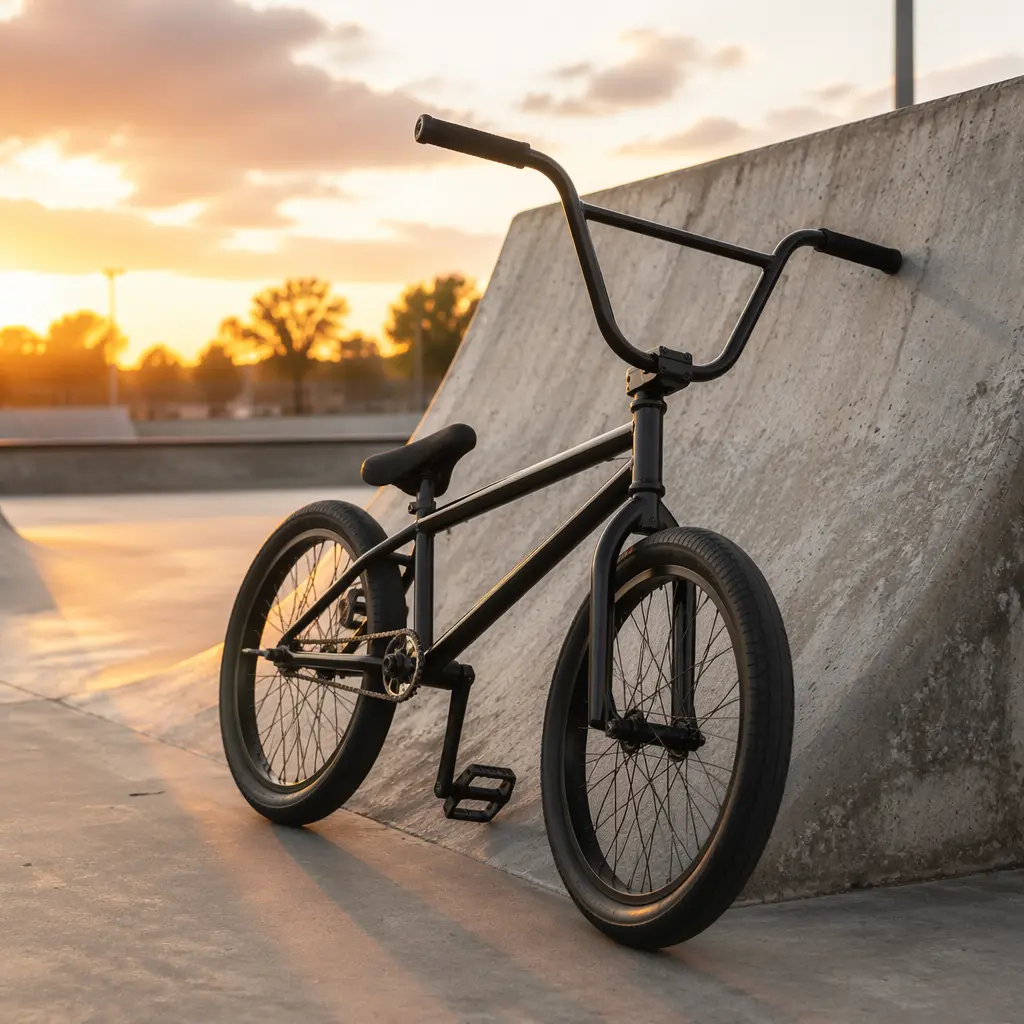
BMX bikes may all look similar at a glance, but park, street and dirt setups are built with different priorities in mind. Geometry, frame materials and components all affect how a bike feels in the air, on rails or over jumps. If you buy the wrong type for your riding style, progress can feel harder than it needs to be. This guide explains the key differences so you can match the bike to where you actually plan to ride.
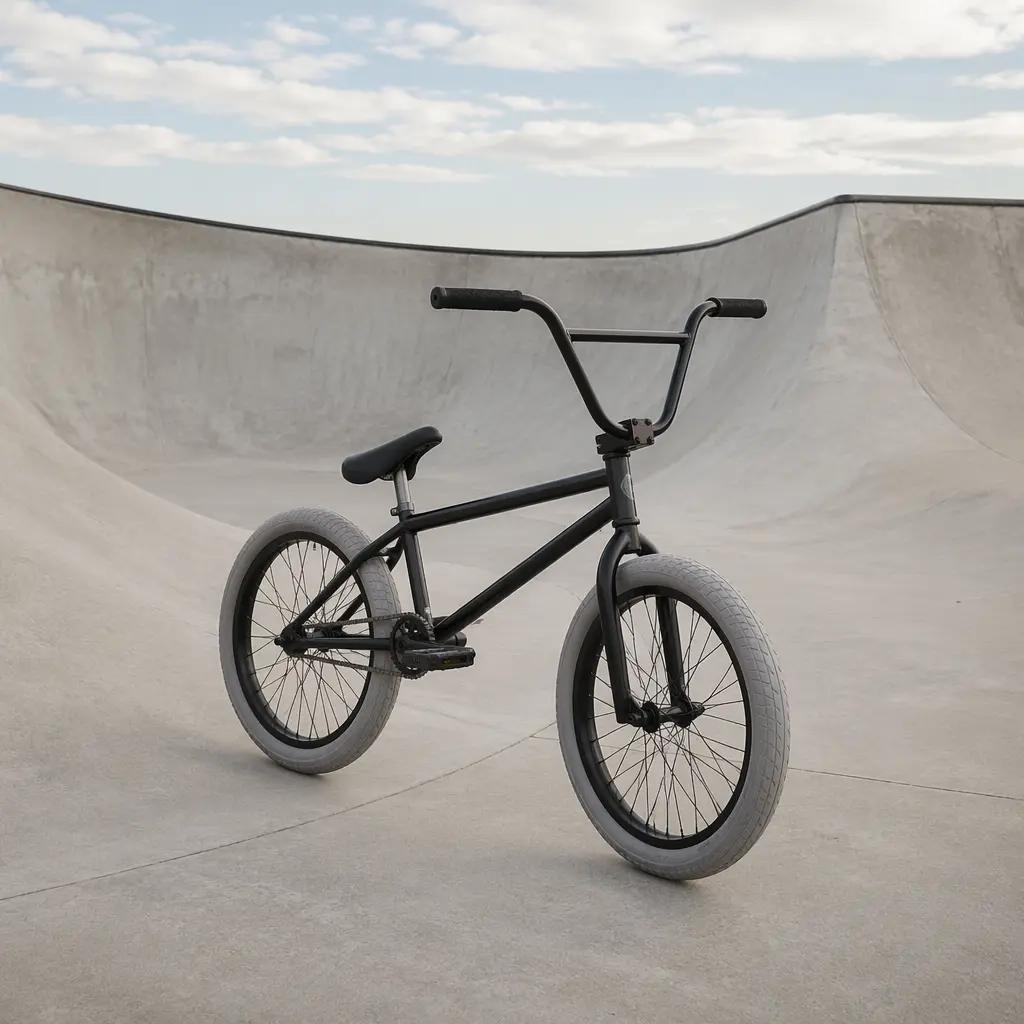
What to look for
While BMX bikes share a common format, small differences make a big impact. When comparing park, street and dirt bikes, focus on the fundamentals below rather than paint colour or graphics.
- Frame material: Hi‑ten steel is cheaper but heavier; chromoly (Cr‑Mo) is lighter and stronger, especially for forks and bars.
- Geometry: Shorter rear ends and steeper head angles feel more responsive; longer, slacker setups add stability at speed.
- Top tube length: A key fit measurement. Taller riders usually need a longer top tube for control and comfort.
- Wheels and tyres: Park and street tyres are smoother and narrower; dirt tyres are wider with more tread for grip.
- Brakes and gyro: Some riders go brakeless. A gyro allows the bars to spin without tangling cables, useful for park and street tricks.
- Cranks and drivetrain: Three‑piece cranks and sealed bearings last longer under hard use.
- Weight: Lighter bikes spin and hop more easily, but ultra‑light parts can be less forgiving for beginners.
Budget and what you're getting
At entry‑level prices, expect heavier frames, basic wheelsets and fewer chromoly parts. These bikes are fine for learning but may need upgrades as riding gets more aggressive. Mid‑range BMX bikes usually add chromoly forks or bars, sealed bearings throughout and stronger rims. Spending more mainly buys durability and lower weight rather than extra features, which matters if you ride often or land tricks hard.
Standout categories or types
Park, street and dirt BMX bikes overlap, but each leans in a different direction. Knowing these tendencies helps narrow your choice.
- Park BMX: Usually lighter with steeper head angles and shorter rear ends. Designed for ramps, bowls and transitions where quick response and easy spinning matter.
- Street BMX: Built tough for drops, rails and ledges. Often slightly heavier with shorter chainstays, thicker tubing and pegs fitted or compatible.
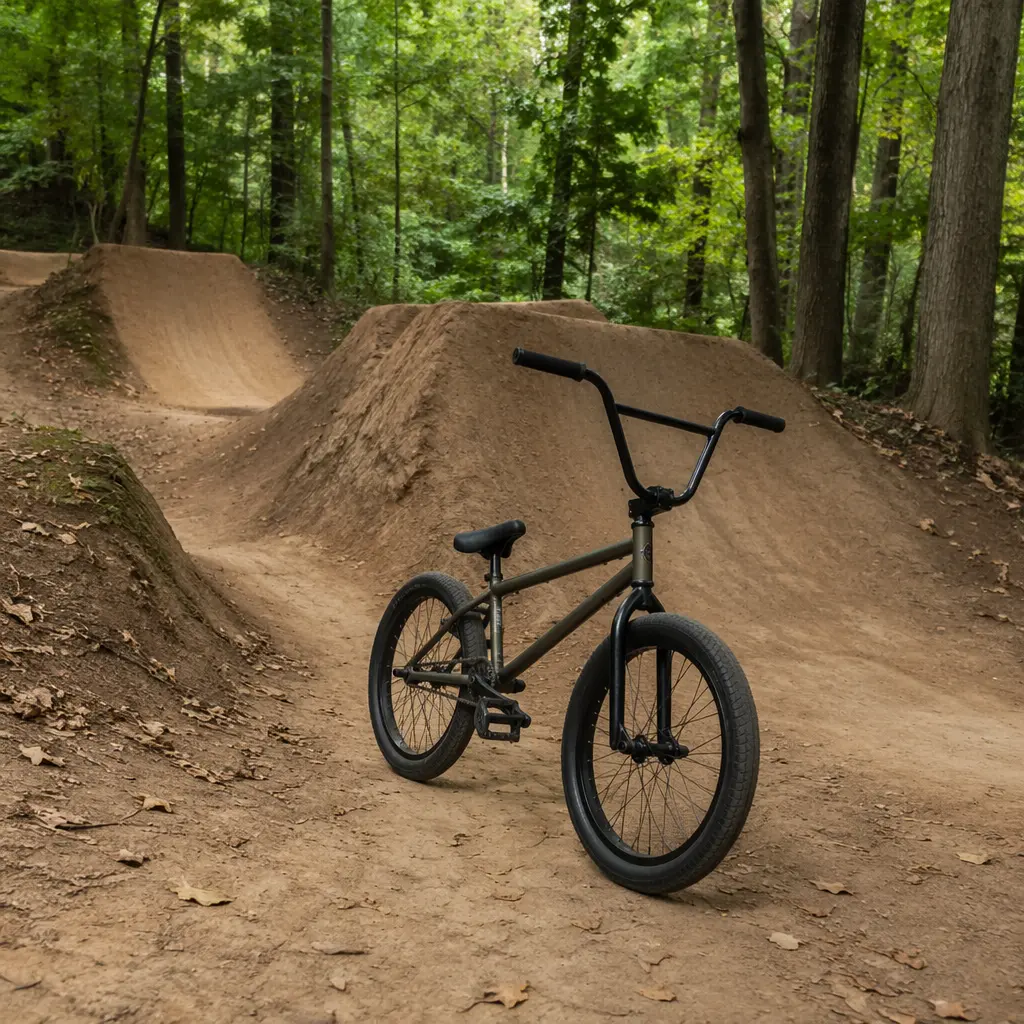
- Dirt BMX: Longer frames, slacker head angles and bigger tyres. Stability and grip take priority over ultra‑fast handling.
If you ride a mix of spots, a park or street‑leaning bike is often the most versatile. Dedicated dirt riders benefit from the extra stability of a dirt‑specific setup, especially on bigger jumps.
Frequently asked questions
Can one BMX bike do everything?
Yes, to a point. Many riders start on a general park or street bike and ride whatever is available. As skills develop, a more specialised bike can make certain styles easier and safer.
Do I need brakes on a BMX?
Brakes are recommended for beginners and for park riding where speed control matters. Brakeless setups are common in street riding but require confidence and good awareness.
What wheel size should I choose?
Most adult BMX bikes use 20‑inch wheels. Taller riders sometimes prefer slightly longer frames rather than different wheel sizes for better fit.
Is chromoly worth paying for?
For frequent riding, yes. Chromoly parts resist bending and cracking better than hi‑ten steel, especially on forks, bars and frames.
Choosing a BMX bike is about matching design to how and where you ride. Focus on fit, geometry and durability first, then fine‑tune with tyres, pegs or brakes as your style develops.
Find these on Amazon
As an Amazon Associate, CheapBikes earns from qualifying purchases.