Are £500–£1,000 BMX bikes worth it for teens and adults?
A buyer’s guide to £500–£1,000 BMX bikes for teens and adults, focusing on frame quality, components and real-world durability compared with cheaper options.
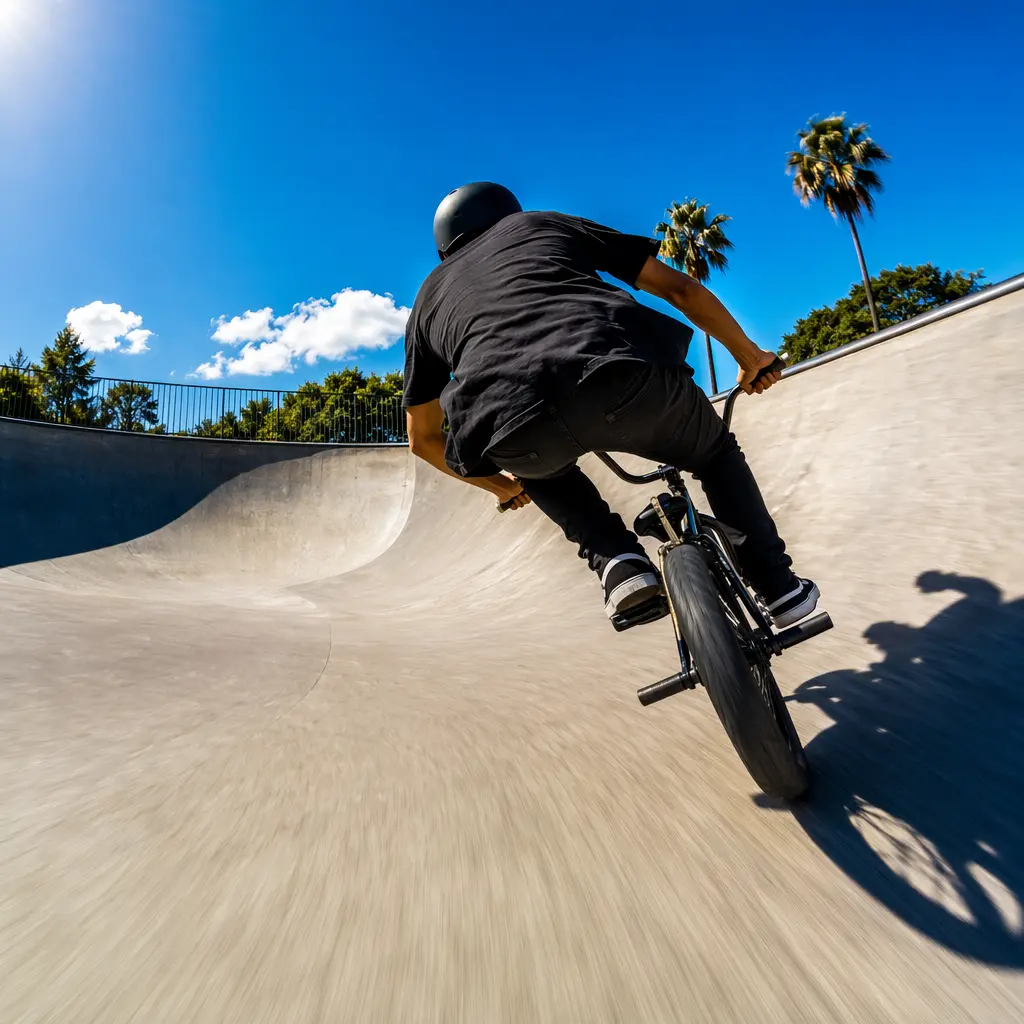
BMX bikes can look deceptively simple, which makes the jump from a £250–£350 entry-level bike to something costing £500–£1,000 feel hard to justify. For teens moving up in ability, or adults buying their first serious BMX, the question is whether the extra spend brings meaningful gains in strength, reliability and ride feel — or whether a cheaper bike will do the job.
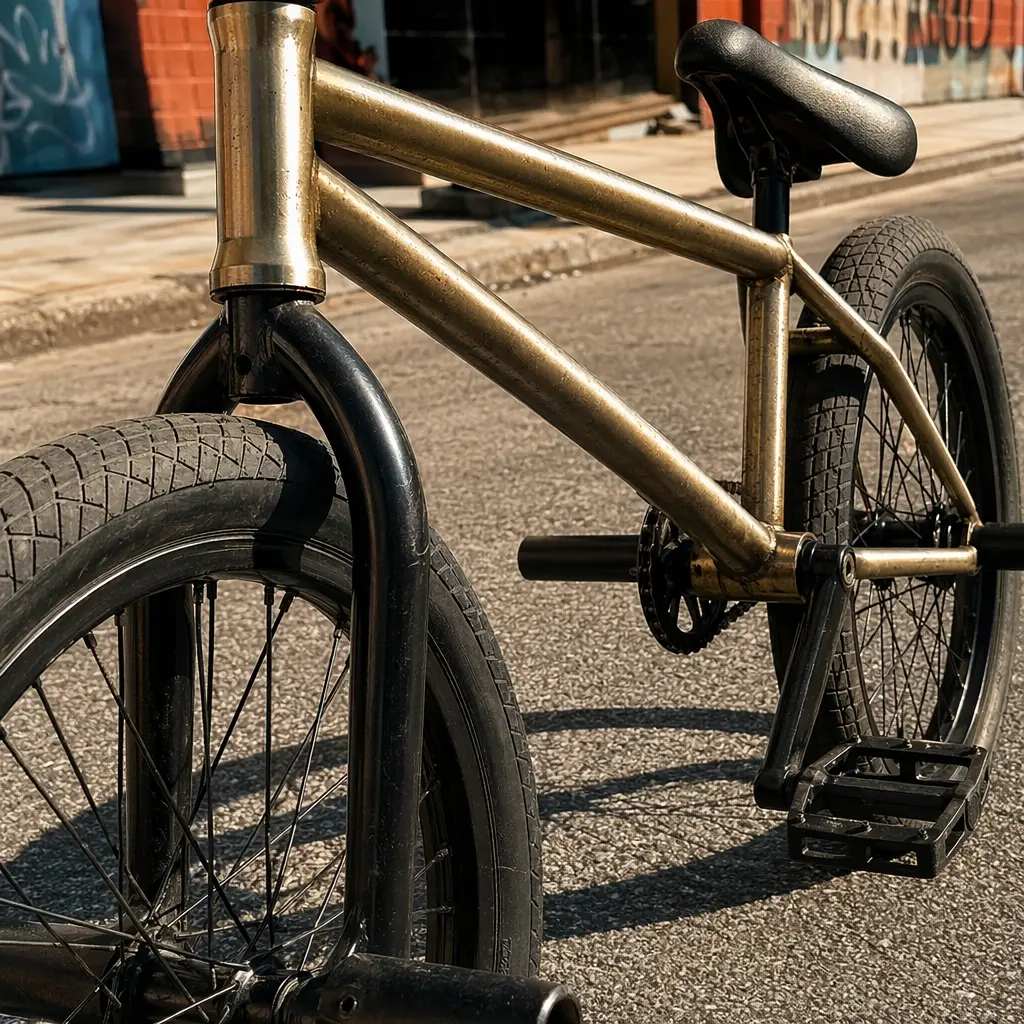
What to look for
In the £500–£1,000 range, you’re paying less for flashy looks and more for materials and parts that stand up to repeated impacts. These are the key areas where better BMX bikes tend to justify their price.
- Frame material: Full chromoly (often 4130) frames and forks are stronger and more fatigue-resistant than hi-ten steel, especially for heavier riders or frequent jumps.
- Weld quality and design: Cleaner welds, gussets in stress areas and well-designed dropouts improve long-term durability.
- Drivetrain: Better bikes usually come with sealed bottom brackets, stronger cranks and higher-quality chains that cope better with hard landings.
- Wheels: Double-wall rims, sealed hubs and thicker spokes are a major upgrade over budget wheels and reduce the chance of buckling.
- Brakes: A good-quality U-brake with sealed bearings offers more consistent power and easier maintenance, even if you prefer riding brakeless.
- Geometry and fit: Longer top tubes and more stable geometry suit teens who are still growing and adults who want control rather than twitchiness.
- Weight: Lighter doesn’t just help with tricks — it also reduces fatigue during longer sessions.
Budget and what you're getting
At £500–£1,000, you’re firmly out of the ‘starter bike’ category. Compared with cheaper BMX bikes, the gains are mostly about longevity and confidence rather than instant performance. Frames are less likely to crack, wheels stay true for longer, and bearings spin more smoothly over time. The trade-off is that you’re paying for parts you may not fully appreciate on day one — especially if you’re new — but which become very noticeable after months of riding. Below £400, corners are often cut on steel quality, wheels and bearings, which can mean higher maintenance costs or earlier replacement.
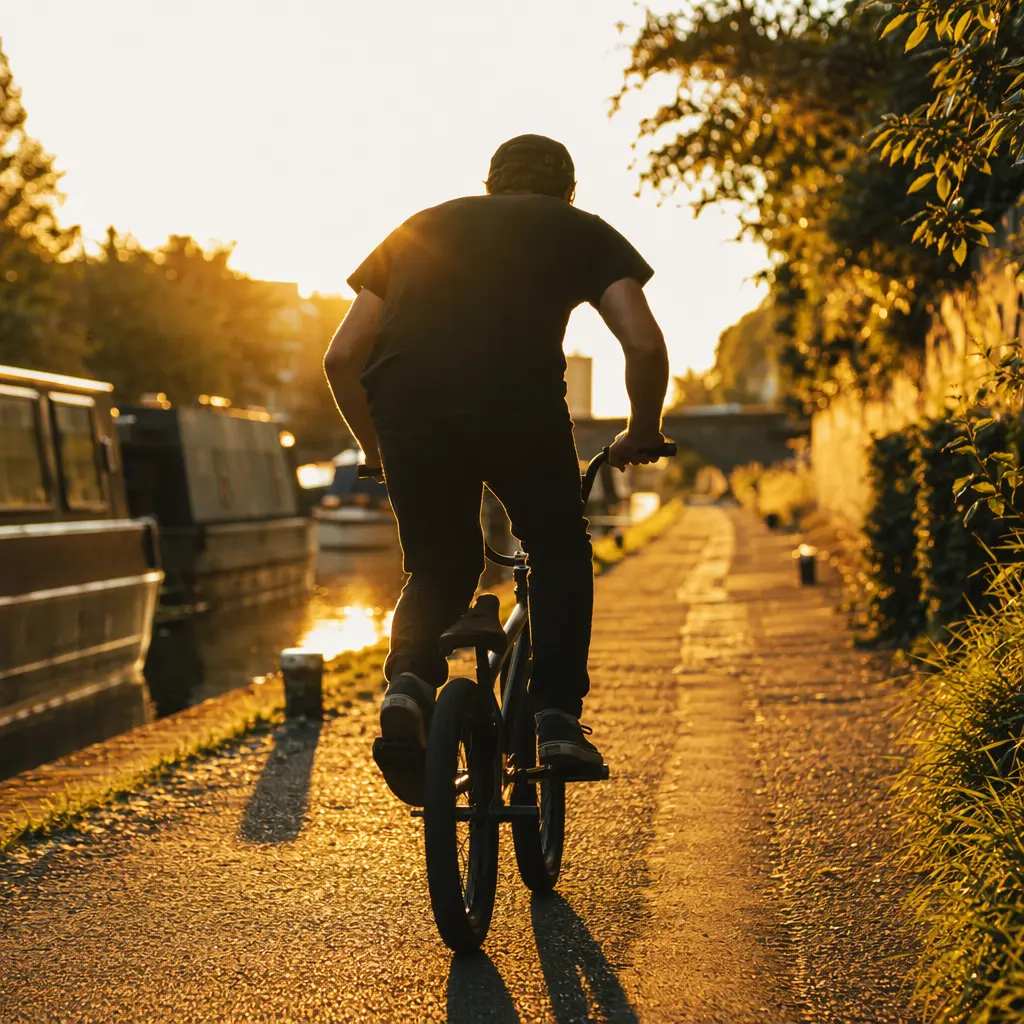
Standout categories or types
Within this price band, BMX bikes tend to separate into a few clear styles, each suited to different riders and priorities.
- Park-focused BMX: Typically lighter with steeper geometry, ideal for skateparks and smooth concrete. Strong rims still matter, but weight savings are often prioritised.
- Street BMX: Built tougher, with reinforced frames, pegs and guards. These bikes suit riders who ride ledges, rails and rough urban spots.
- Dirt-oriented BMX: Slightly longer and more stable, often with room for wider tyres. Better for jumps and pump tracks than tight technical tricks.
- Teen vs adult sizing: Many £500–£1,000 BMX bikes are aimed squarely at adult riders, with longer top tubes that teens may grow into rather than out of.
Frequently asked questions
Is a £500–£1,000 BMX too much for a beginner?
Not necessarily. While complete beginners can learn the basics on cheaper bikes, heavier teens and adults often benefit from stronger frames and wheels straight away. It can reduce frustration and ongoing repair costs.
Will a cheaper BMX hold me back?
Skill matters more than price, but budget bikes can become limiting as tricks get bigger. Bent rims, loose bearings and flexy frames can affect confidence and progression.
Are these bikes lighter?
Generally yes, but the bigger gain is strength-to-weight rather than outright lightness. A slightly heavier but stronger bike is often preferable for street and dirt riding.
Do I need high-end components straight away?
You don’t need top-tier parts, but sealed bearings, decent wheels and a chromoly frame make day-to-day riding easier and more reliable, even at intermediate levels.
For teens who are serious about BMX and adults who want a bike that won’t feel disposable, £500–£1,000 BMX bikes can represent good long-term value. The improvements over cheaper options are subtle at first but add up quickly in durability, confidence and reduced maintenance — making them a sensible step-up rather than an indulgence.
Find these on Amazon
As an Amazon Associate, CheapBikes earns from qualifying purchases.