BMX Bikes for Teens: How to Choose the Right Size
A clear UK buyer’s guide to sizing a BMX for teenagers. Learn how wheel size, top tube length and rider height work together so teens get a bike that’s safe, comfortable and fun.
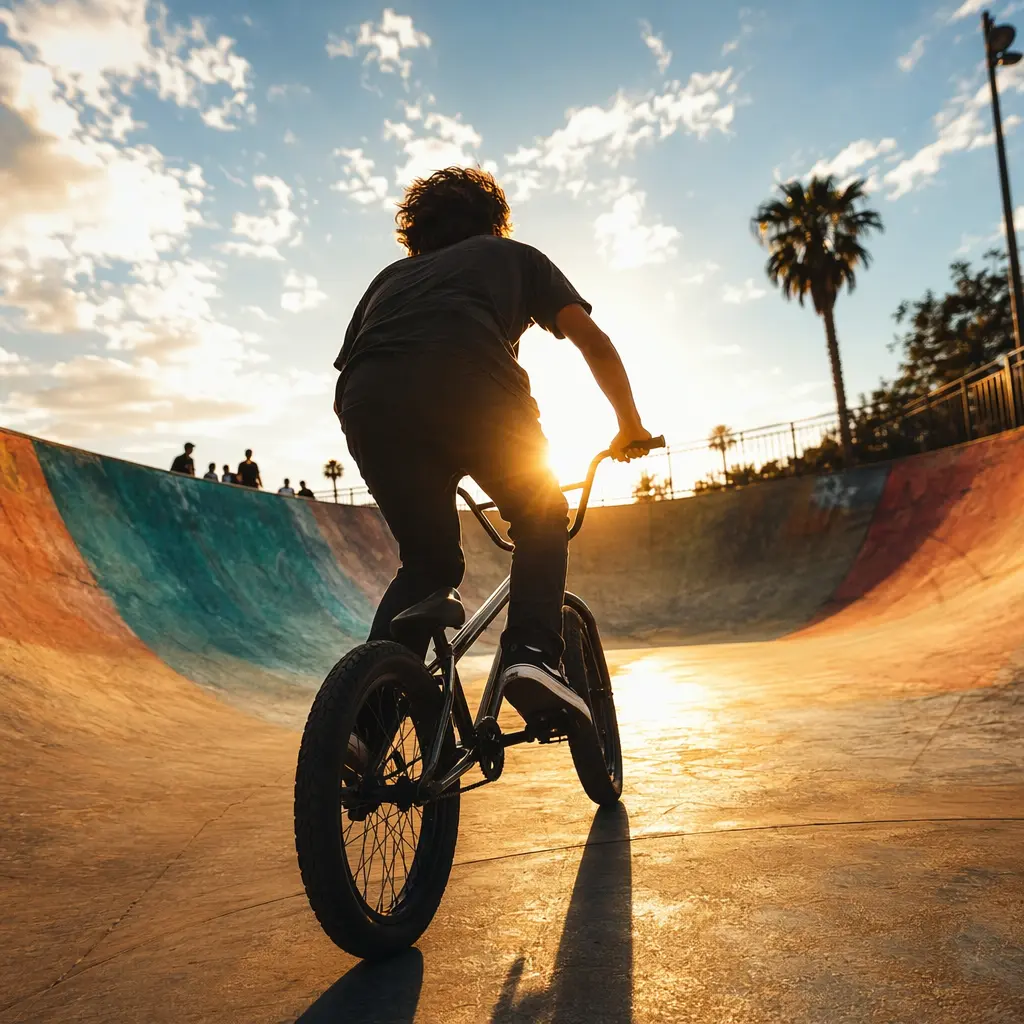
Buying a BMX for a teenager can feel confusing: wheel sizes don’t follow normal road or mountain bike rules, and small changes in frame length make a big difference. Most parents are also working to a sensible budget, typically in the entry to mid-range BMX bracket, so getting the size right matters more than chasing flashy parts. This guide breaks down wheel size, top tube length and fit in plain English so teens get a bike that’s comfortable, controllable and enjoyable to ride.
What to look for
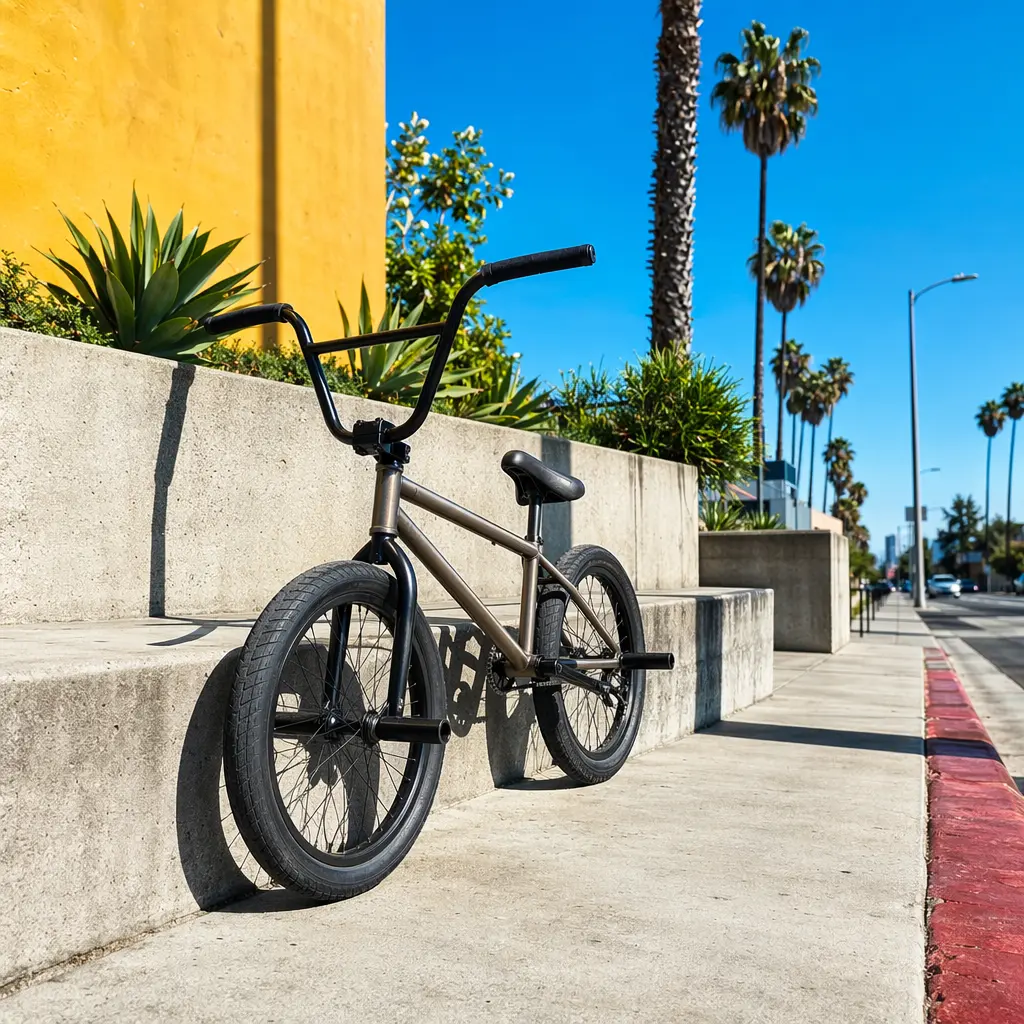
BMX sizing is less about seat height and more about how the bike fits when standing up and moving around the frame. For teenagers, the goal is a setup that feels stable at speed but still easy to lift, turn and hop.
- Wheel size: Most teens ride 20-inch wheels, but smaller riders may suit 18-inch, while taller teens might prefer 20-inch with a longer frame.
- Top tube length: Measured from the head tube to the seat tube; this is the key sizing number for BMX comfort and control.
- Frame material: Hi-ten steel is cheaper and tougher but heavier; chromoly is lighter and stronger, often found on better-value mid-range bikes.
- Brake type: Many BMX bikes use a rear U-brake; check lever reach for smaller hands and whether the bike can be run brakeless later if desired.
- Geometry: Shorter frames feel more agile for tricks; longer frames are steadier for jumps and park riding.
- Fit and standover: The rider should have comfortable clearance when standing over the top tube with both feet flat.
- Weight: Lighter bikes are easier for smaller teens to handle, but ultra-light usually costs more.
Budget and what you're getting
At typical teen BMX price points, you’re paying for a safe, durable frame and basic but functional components. Entry-level bikes often use heavier steel and simpler wheels, which is fine for learning. Spending a bit more usually brings a lighter frame, stronger cranks and better bearings, all of which make the bike feel smoother and easier to control. What you won’t get at lower budgets are very light race parts or advanced geometry tweaks—but for most teens, correct sizing matters far more than premium materials.
Standout categories or types
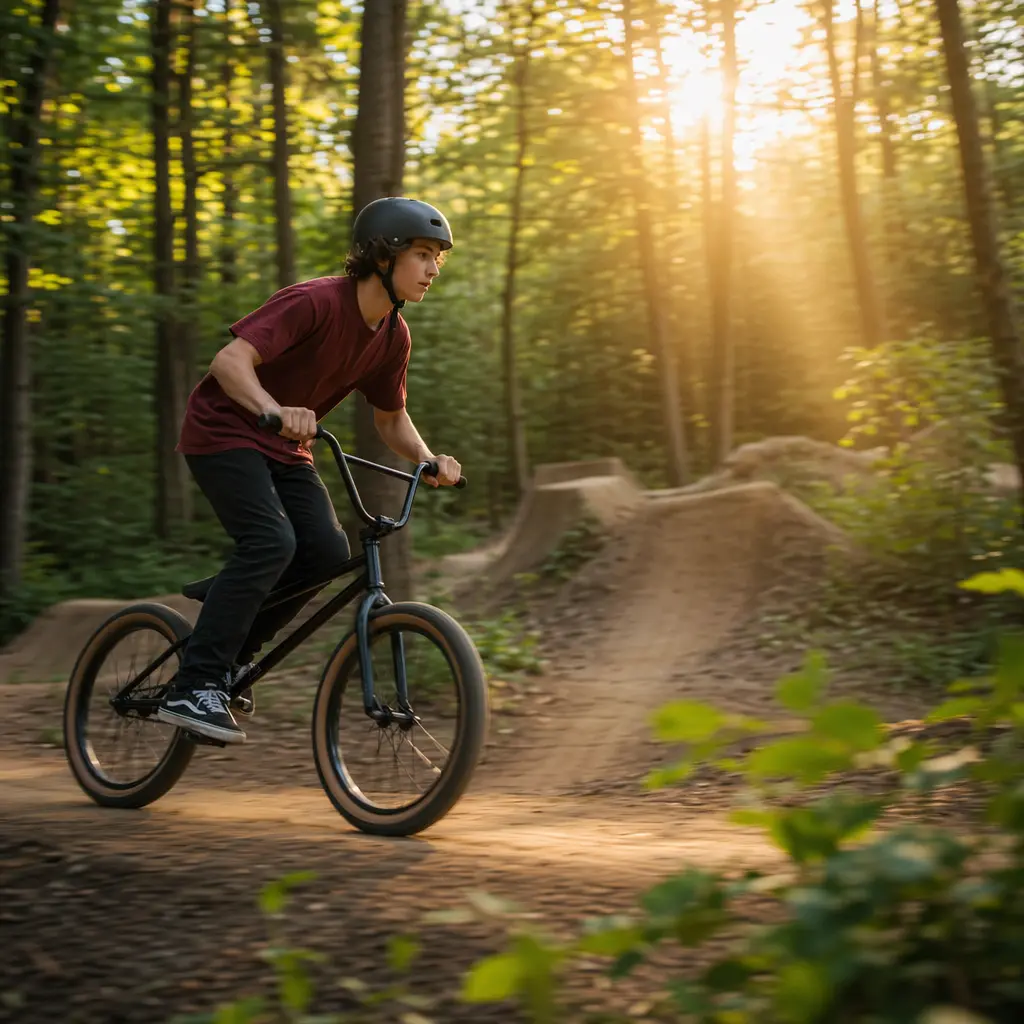
Most teenage BMX bikes fall into freestyle territory, designed for skateparks, street riding and dirt jumps rather than racing. Within that, sizing and feel still vary.
- 18-inch BMX: Best for younger or shorter teens who find a full 20-inch bike hard to control.
- 20-inch BMX (short top tube): Suits smaller teens or those focused on street tricks and technical riding.
- 20-inch BMX (longer top tube): Better for taller teens, park riding and jumps where stability helps.
- Park vs dirt setup: Park-focused bikes tend to feel tighter and more responsive; dirt-oriented frames are often slightly longer and steadier.
Frequently asked questions
How do I choose the right wheel size for a teen?
Use height as a starting point. Under roughly 4ft 10in often suits 18-inch wheels, while most teens above that height are comfortable on 20-inch wheels. Confidence and strength matter too—if the bike feels too big to lift or turn, it’s the wrong size.
What top tube length should a teenager use?
Shorter teens usually fit top tubes around the low 20-inch range, while taller teens may prefer longer measurements. A longer top tube stretches the riding position and adds stability; a shorter one feels more playful but less steady at speed.
Can a teen grow into a bigger BMX?
A small amount of growing room is fine, but a bike that’s too big can be frustrating and unsafe. It’s better to size for now rather than a year ahead, especially for beginners learning balance and control.
Is seat height important on a BMX?
Not as much as on other bikes. BMX seats are usually low and used mainly for resting. Frame size and bar position matter far more for comfort and handling.
Choosing the right BMX size for a teenager doesn’t need to be complicated. Focus on wheel size, top tube length and overall fit, and you’ll end up with a bike that’s easier to ride, safer to learn on and more fun to progress with. Get the size right first, then worry about colours and components later.
Find these on Amazon
As an Amazon Associate, CheapBikes earns from qualifying purchases.