BMX Bikes for Beginners: Sizing and Setup Explained
New to BMX? This plain-English guide explains wheel sizes, top tube length, riding styles and basic setup so beginners can choose the right BMX without overspending.
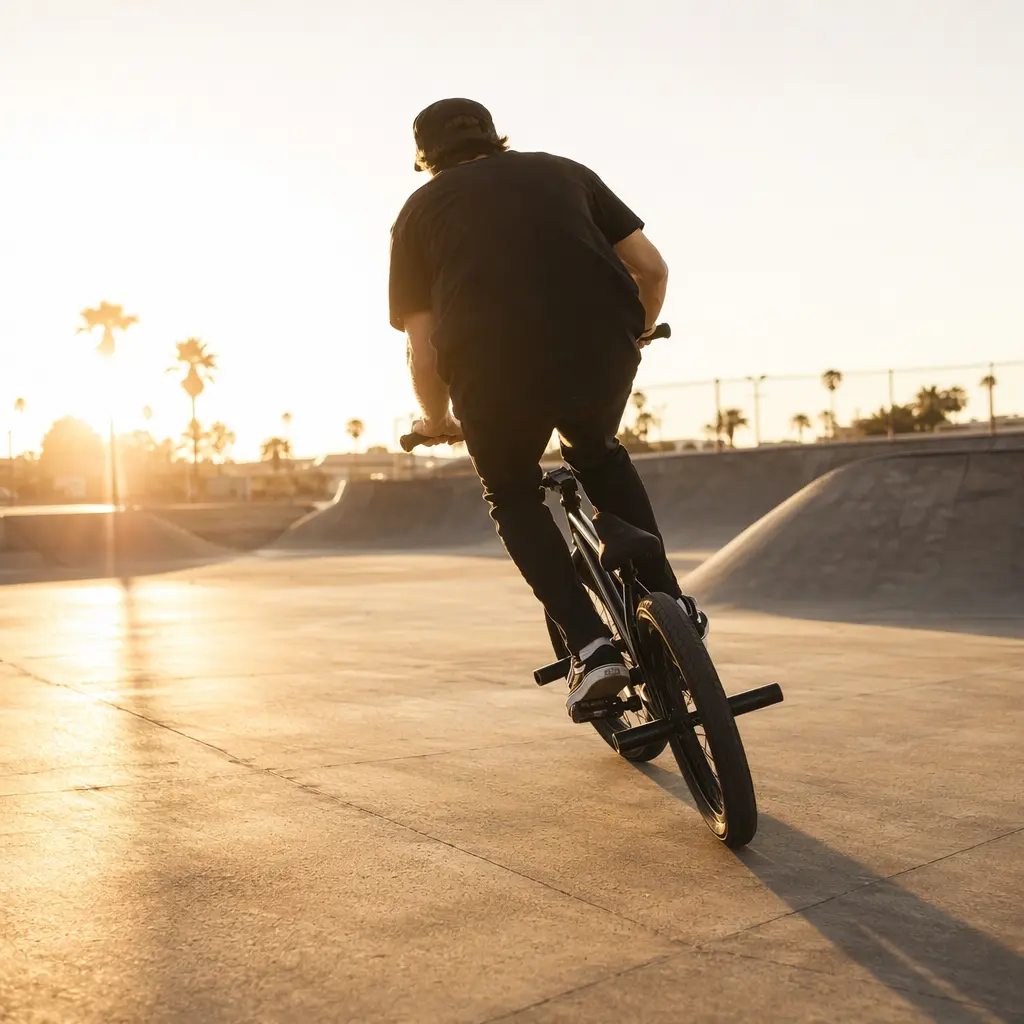
Buying a first BMX can feel confusing. Wheel sizes don’t follow the usual adult-bike rules, frame numbers are quoted in inches, and there are different BMX styles that look similar at a glance. This guide breaks down sizing and setup for beginners, with a value-focused approach that helps you get a bike that fits and rides properly without paying for features you don’t need.
What to look for
BMX sizing is less about your inside leg and more about how the bike feels under you when standing, jumping and turning. These are the key points beginners should understand before choosing a bike.
- Wheel size: Most adult BMX bikes use 20-inch wheels. Smaller riders and children may need 16-inch or 18-inch wheels for better control.
- Top tube length: This is the main sizing figure for BMX. Shorter top tubes feel more compact; longer ones give more stability. It should match your height and arm reach.
- Frame material: Hi-tensile steel is common on cheaper bikes and heavier; chromoly is lighter and stronger but usually costs more.
- Brake type: Many beginner BMX bikes come with a rear U-brake only. This is normal and keeps things simple.
- Geometry: Steeper angles feel twitchy and responsive for park riding; slightly longer, slacker setups feel more stable for dirt.
- Fit and standover: You should be able to stand over the bike comfortably with some clearance.
- Weight: Lighter bikes are easier to learn tricks on, but durability matters more than shaving grams at beginner level.
- Included accessories: Pegs, gyro rotors and padded saddles are nice extras but not essential when starting out.
Budget and what you're getting
Entry-level BMX bikes are built to hit a price point. At the lower end, expect heavier frames, basic wheels and simpler components. That’s not a bad thing for beginners: tougher parts cope better with crashes and missed landings. As prices rise, you’ll usually get lighter tubing, stronger wheels and smoother hubs. What matters most is fit and basic quality, not chasing pro-level specs early on.
Standout categories or types
Although all BMX bikes share a similar look, they’re usually designed with a main riding style in mind. Beginners don’t need a perfect match, but it helps to know the differences.
- Park BMX: Shorter, more compact frames designed for skateparks and ramps. They feel quick to turn and easy to throw around.
- Street BMX: Often similar to park bikes but built tougher, sometimes with pegs included for grinding.
- Dirt BMX: Slightly longer frames and sometimes longer forks for stability on jumps and landings.
- Race BMX: Very different geometry and usually larger wheels; not ideal for learning tricks or park riding.
Frequently asked questions
What size BMX should I get for my height?
Most adults between roughly 5ft 6in and 6ft will suit a 20-inch wheel BMX with a mid-range top tube length. Shorter riders should look for shorter top tubes or smaller wheels, especially under 5ft.
Is a heavier BMX bad for beginners?
Not necessarily. Heavier bikes can feel slower to lift but are often more durable and cheaper. For learning basics, strength and reliability matter more than weight.
Do I need pegs and a gyro to start BMX?
No. Many riders learn without them. Pegs and gyro systems add weight and cost, and you can always add them later if your riding style needs them.
Can kids ride adult BMX bikes?
Adult BMX bikes are often too big and heavy for children. Smaller wheel sizes and shorter frames give kids far more control and confidence.
Choosing your first BMX is about getting the basics right: the right size, a sensible setup and a build that can handle beginner mistakes. Focus on fit and durability, start simple, and you’ll have a bike that lets you learn and progress without unnecessary cost.
Find these on Amazon
As an Amazon Associate, CheapBikes earns from qualifying purchases.