Best BMX bikes £500–£1,000: what extra money buys
A buyer’s guide to BMX bikes in the £500–£1,000 bracket. Learn how frame quality, weight and components improve over entry-level bikes, and what to prioritise for street, park or dirt.
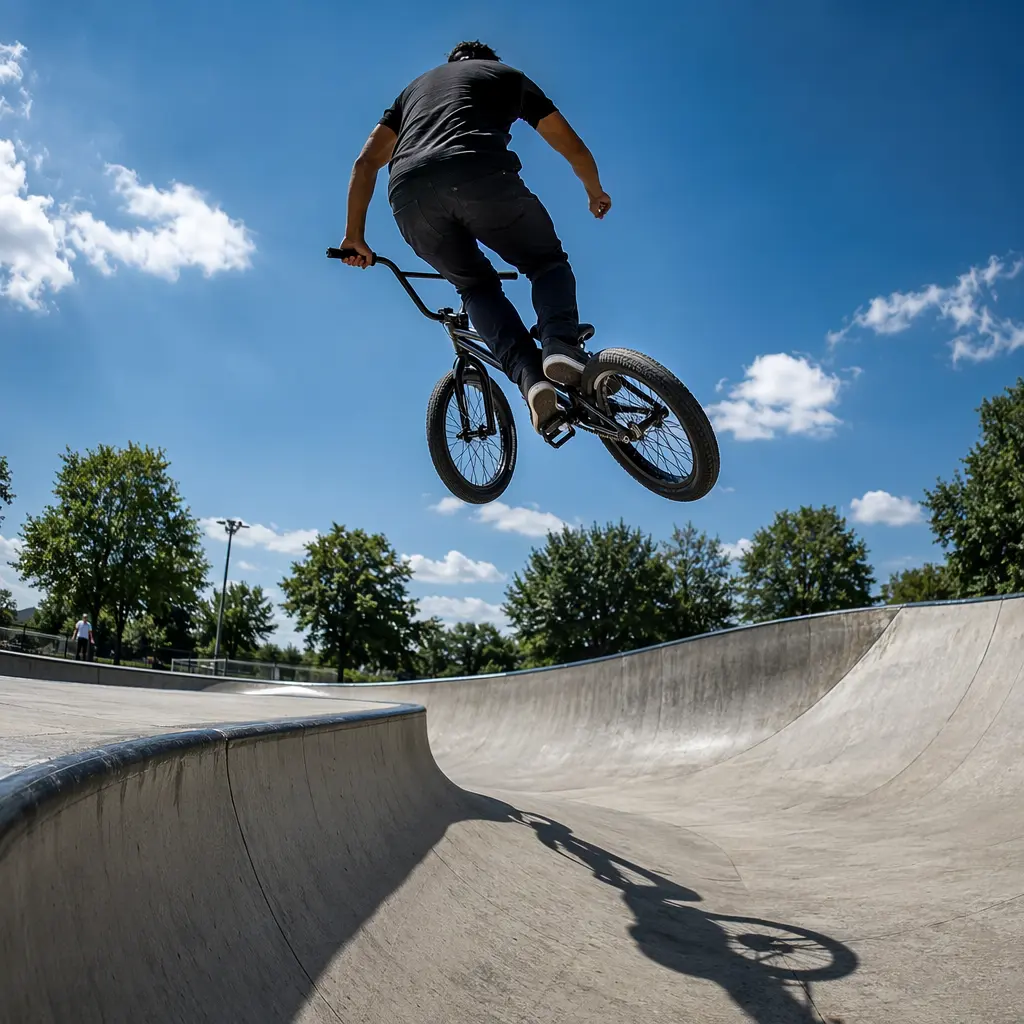
Spending £500–£1,000 on a BMX bike moves you well beyond beginner territory. This is the range where bikes are built to take regular abuse, feel lighter and more responsive, and come with components chosen for a specific riding style. If you ride street, park or dirt jumps and want a bike that won’t hold you back as tricks progress, this price band is where the real upgrades begin.
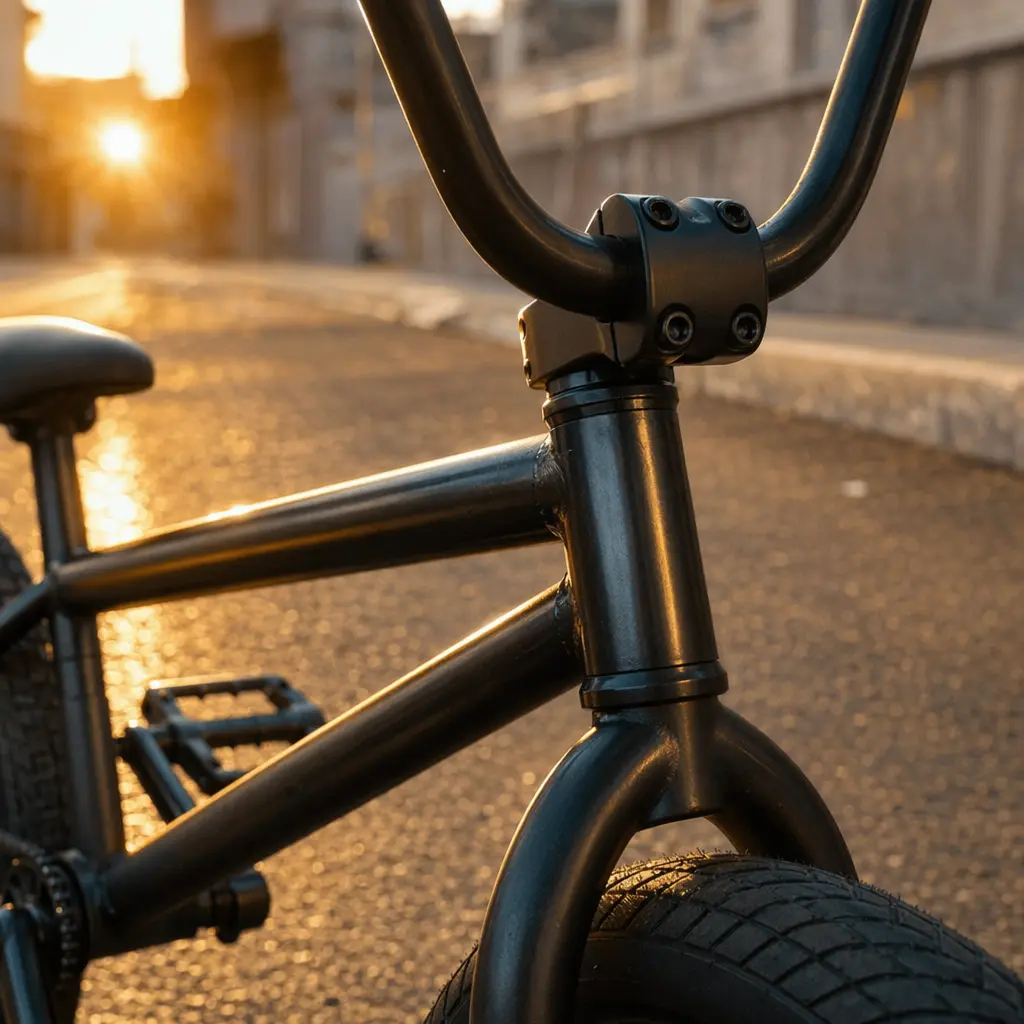
What to look for
At this level, small differences in materials and parts make a noticeable difference to durability and ride feel. These are the key areas worth checking before you buy.
- Frame material: look for full 4130 chromoly frames rather than mixed steel. Chromoly is stronger for its weight and better at handling repeated impacts.
- Forks and bars: chromoly forks and handlebars are a big step up from hi‑ten steel, especially for street and park riding.
- Gearing: BMX bikes are single‑speed, but better quality sprockets and sealed bottom brackets last longer and spin more smoothly.
- Brake type: rear U‑brakes with sealed pivots are common. Some bikes are supplied brakeless-ready with removable mounts.
- Geometry: steeper head angles suit park riding, while slightly longer rear ends feel more stable on dirt jumps.
- Weight: lighter bikes are easier to throw around, but strength still matters more than chasing the lowest number.
- Included accessories: check whether pegs, hub guards or a gyro setup are included or need adding separately.
Budget and what you're getting
Compared with sub‑£500 BMX bikes, spending more usually buys you better tubing, sealed bearings throughout and wheels that stay true for longer. You’re paying for consistency and strength rather than flashy extras. The trade‑off is that you may not get everything included out of the box — pegs, hub guards or a gyro can be optional — but the core bike is designed to cope with harder riding and more frequent sessions.
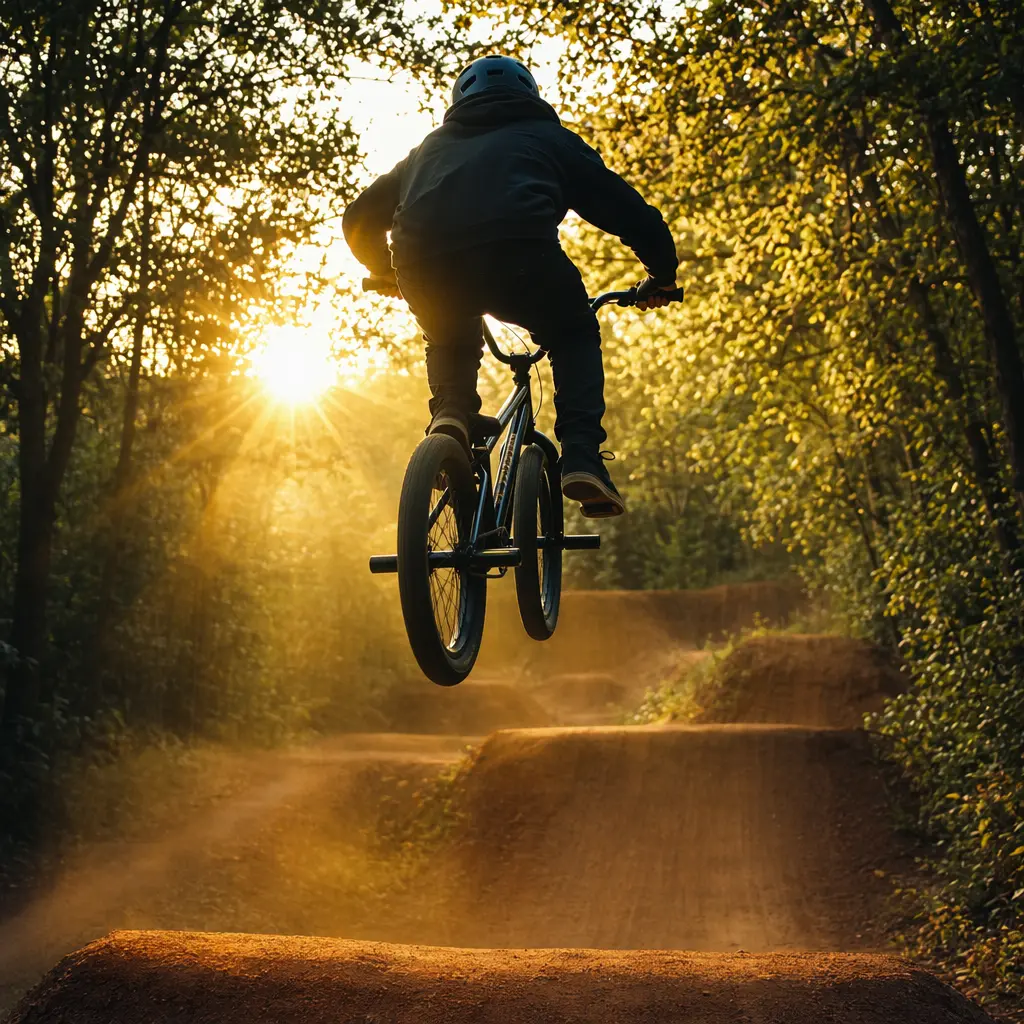
Standout categories or types
Most BMX bikes in this price band are designed with a clear focus. Choosing the right type matters more than chasing minor spec differences.
- Street BMX: usually shorter rear ends, strong chromoly frames and thick tyres for grinds and drops.
- Park BMX: slightly steeper geometry and lighter overall builds to make spins and airs easier.
- Dirt BMX: longer frames and chainstays for stability, with tyres and rims chosen for smoother landings.
Some bikes aim to blend park and street features, which can work well if you ride a mix of spots. Dedicated dirt riders may prefer a bike that feels less twitchy at speed, even if it’s not the lightest option.
Frequently asked questions
Is £500–£1,000 too much for a BMX?
For occasional riding, cheaper bikes can be fine. This range suits riders who go out regularly and want gear that lasts longer and performs consistently.
What size BMX should I choose?
Top tube length is the main sizing guide. Taller riders generally prefer longer top tubes, while shorter riders benefit from a more compact feel.
Do I need brakes?
Many riders keep a rear brake for control, especially on park ramps. Brakeless setups are a personal choice and often need extra parts.
Are lighter BMX bikes always better?
Not necessarily. A bike that’s slightly heavier but stronger can be a better long‑term choice, particularly for street riding.
In the £500–£1,000 range, BMX bikes are built for riders who know what they want to ride and how often they ride. Focus on frame quality, geometry and the riding style the bike is designed for, and you’ll get far more value than simply chasing the lightest or most expensive option.
Find these on Amazon
As an Amazon Associate, CheapBikes earns from qualifying purchases.