Which Bike Lights Are Worth Paying For in the UK?
A plain-English UK guide to bike lights that actually earn their keep. Learn how brightness, beam pattern and battery life matter on real roads, plus what’s legal, practical and good value.
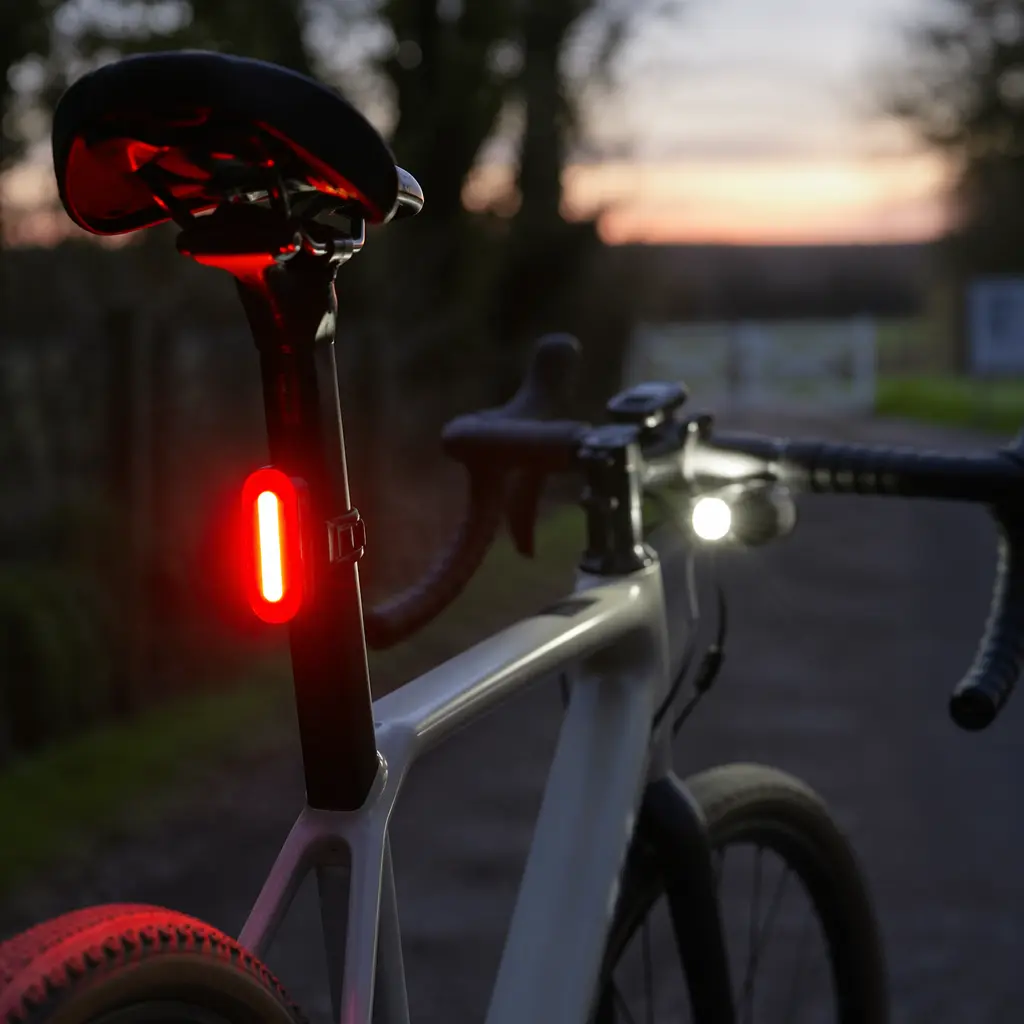
Bike lights are one of those purchases where spending a bit more can genuinely improve safety — but only if you’re paying for the right things. In the UK, real roads mean uneven surfaces, poor street lighting and drivers approaching from every angle. This guide explains what actually matters when choosing bike lights, focusing on brightness, beam pattern and battery life, so you can avoid paying extra for features you won’t use.
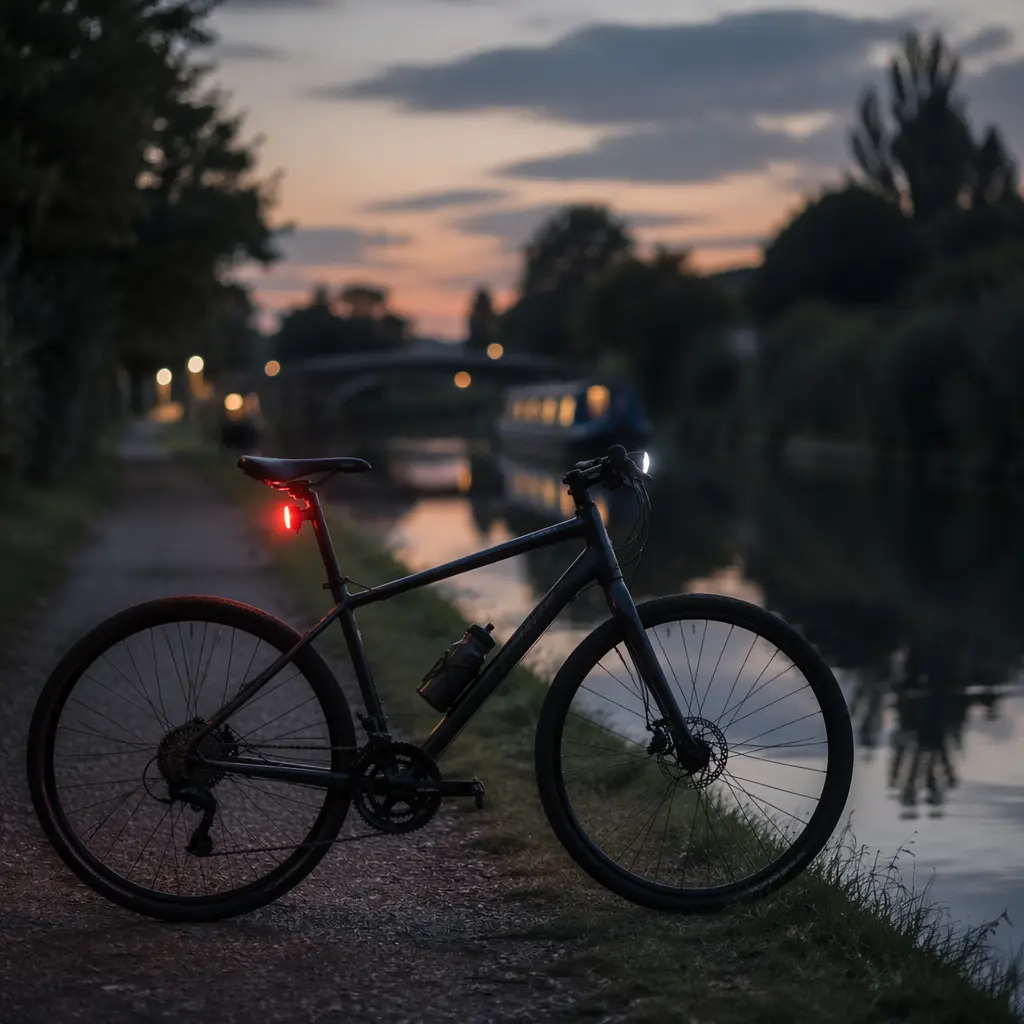
What to look for
Good bike lights balance seeing the road ahead with being clearly seen by others. The basics below matter far more than flashy features or inflated lumen numbers.
- Brightness (lumens): For unlit roads, a front light in the hundreds of lumens is sensible. In well-lit urban areas, less is needed — too much light can dazzle oncoming traffic.
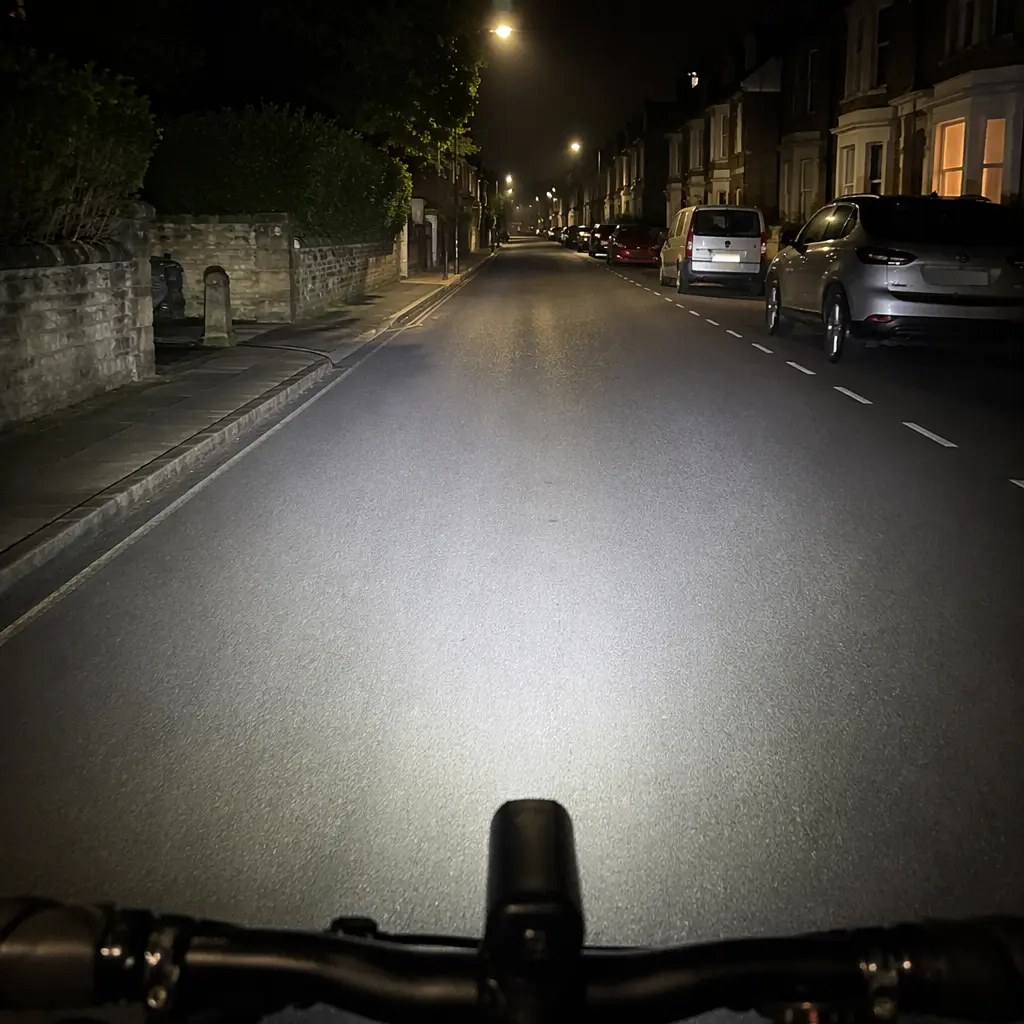
- Beam pattern: A shaped or dipped beam spreads light across the road without blinding drivers. A narrow torch-like beam wastes light and reduces usable vision.
- Rear visibility: Rear lights don’t need huge brightness, but a wide-angle lens helps you be seen from junctions and side roads.
- Battery type and life: USB-rechargeable lights are now standard. Look for realistic run-times at your preferred brightness, not just the lowest setting.
- Mounting and stability: A solid mount matters on rough roads. Wobbly lights reduce visibility and can fail over time.
- Weather resistance: UK riding means rain. A decent water-resistance rating helps lights survive daily commuting.
Budget and what you’re getting
At the lower end of the price range, lights tend to be bright on paper but basic in use. You’ll often get a simple round beam, shorter battery life and fewer usable modes. Mid-range options usually bring better beam control, clearer side visibility and more honest battery claims. Spending more still can add features like replaceable batteries or shaped beams designed to meet road-legal standards. The key trade-off is that extra brightness without beam control rarely improves safety on UK roads.
Standout categories or types
Not all bike lights are designed for the same job. Knowing the main types helps you choose lights that suit how and where you ride.
- Urban commuter lights: Designed to make you visible in traffic. These focus on wide-angle visibility, steady modes and reasonable battery life rather than extreme brightness.
- Unlit-road lights: Brighter front lights with controlled beams for seeing potholes and debris on country lanes or shared paths.
- Road-legal beam lights: Some lights use a dipped beam pattern similar to car headlights. They reduce glare and are better suited to busy cycle routes.
- Backup or secondary lights: Small, lightweight lights can act as spares or extra rear visibility, useful for longer rides or winter commuting.
Frequently asked questions
How bright does a bike light need to be in the UK?
There’s no single number that suits everyone. In towns with street lighting, modest brightness is enough. On dark lanes, more output helps, but only if the beam is well controlled. Excessive brightness without a shaped beam can reduce safety.
Are flashing lights legal?
Yes, flashing lights are allowed in the UK as long as they meet basic visibility rules. Many riders use a steady front light for seeing and a flashing rear light for extra attention.
Do expensive lights last longer?
Often, but not always. Better lights usually have higher-quality batteries and electronics, which can mean longer life and more consistent brightness over time. Care and charging habits also make a big difference.
Is USB charging good enough for daily commuting?
For most riders, yes. USB-rechargeable lights are convenient and avoid disposable batteries. Just remember to top them up regularly, especially in winter when run-times drop.
Good bike lights don’t need to be the most powerful or the most expensive. The lights worth paying for are those that let you see clearly, be seen from all angles and last reliably through wet UK rides. Focus on beam quality, realistic battery life and solid mounting, and you’ll get far better value than chasing headline brightness alone.
Find these on Amazon
As an Amazon Associate, CheapBikes earns from qualifying purchases.