Which bike accessories are worth paying extra for?
A UK buyer’s guide to bike accessories where spending more improves safety and lifespan—and where budget options do the job just as well.
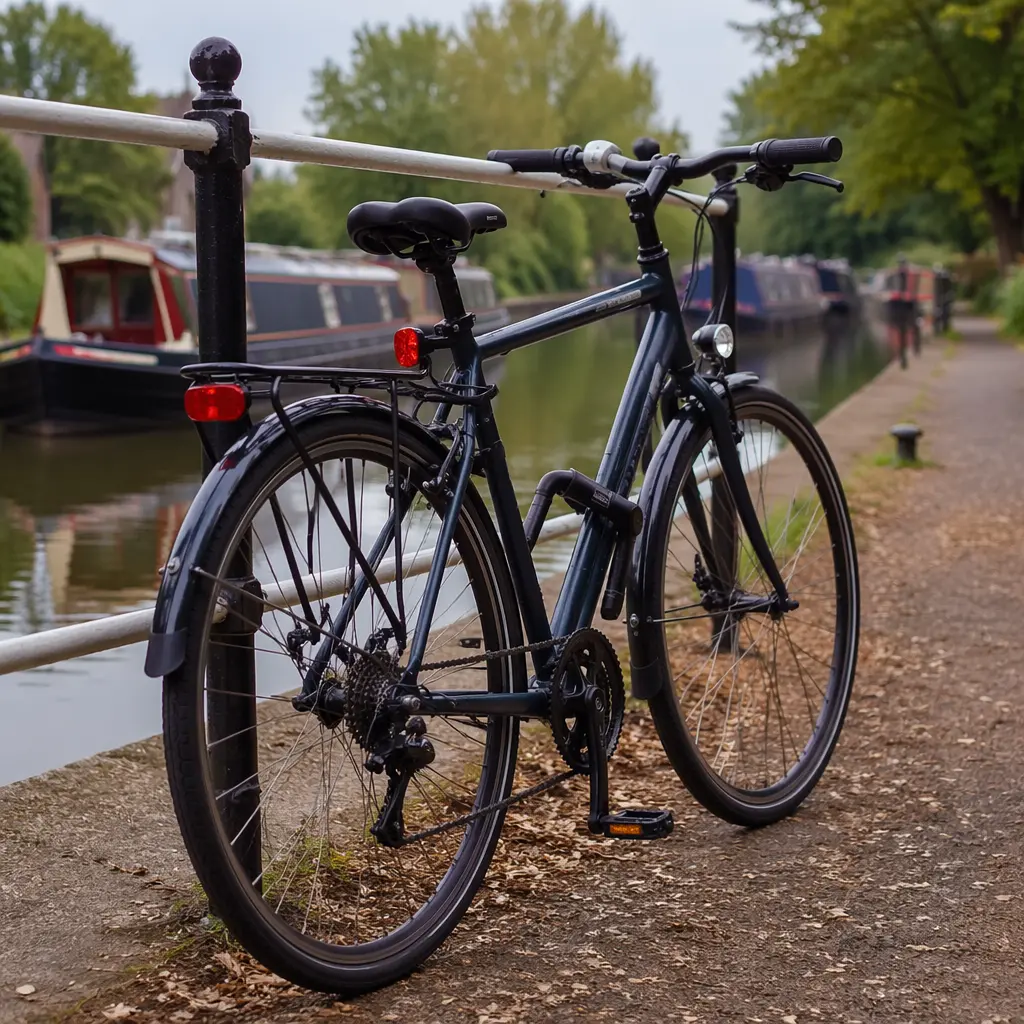
Bike accessories range from a few pounds to eye‑watering sums, and it isn’t always obvious where extra spend genuinely pays off. For everyday UK riding—commuting, leisure rides and family trips—the aim is simple: stay safe, avoid hassle, and buy kit that lasts. This guide explains which accessories are worth paying more for, and which ones you can buy on a budget without missing out.
What to look for
When deciding whether to spend more on an accessory, focus on the things that affect safety, reliability and how often you’ll need to replace it. Higher prices don’t always mean better, but certain features do make a real difference.
- Safety impact: items that protect you or your bike (helmets, lights, locks) usually justify higher spend
- Durability: better materials and seals can mean years of use rather than months
- Weather resistance: UK rain and winter grit quickly expose cheap components
- Ease of use: fiddly accessories often end up unused
- Compatibility and fit: poor fit can reduce effectiveness or cause damage
- Repairability: replaceable batteries or parts extend lifespan
- Certification: recognised safety standards are worth paying attention to
Budget and what you're getting
With accessories, spending more usually buys better materials, stronger fixings and longer warranties. Budget kit can work perfectly well for occasional use or fair‑weather riding, but heavy daily use quickly reveals weak points. The trick is to prioritise spending on items that protect life or prevent costly losses, and save money on accessories where performance differences are marginal.
Standout categories or types
Some accessory categories consistently reward extra spend. Others show little real‑world benefit once you pass a basic quality threshold.
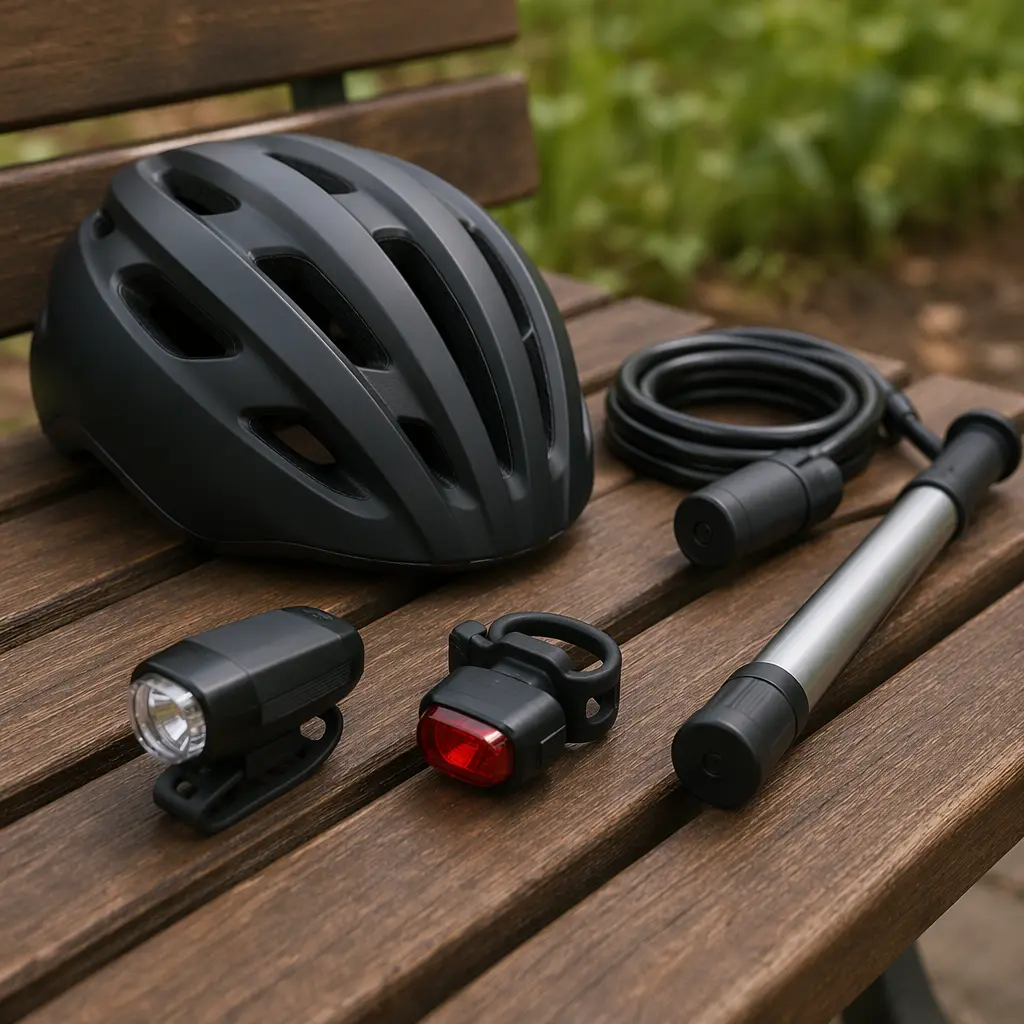
- Helmets: Worth paying extra for better fit systems, ventilation and independent safety testing. Comfort matters because an uncomfortable helmet often goes unworn.
- Lights: Brighter, better‑designed lights with proper optics and weather sealing improve visibility and last longer. Cheap lights often fail in wet weather or have weak mounts.
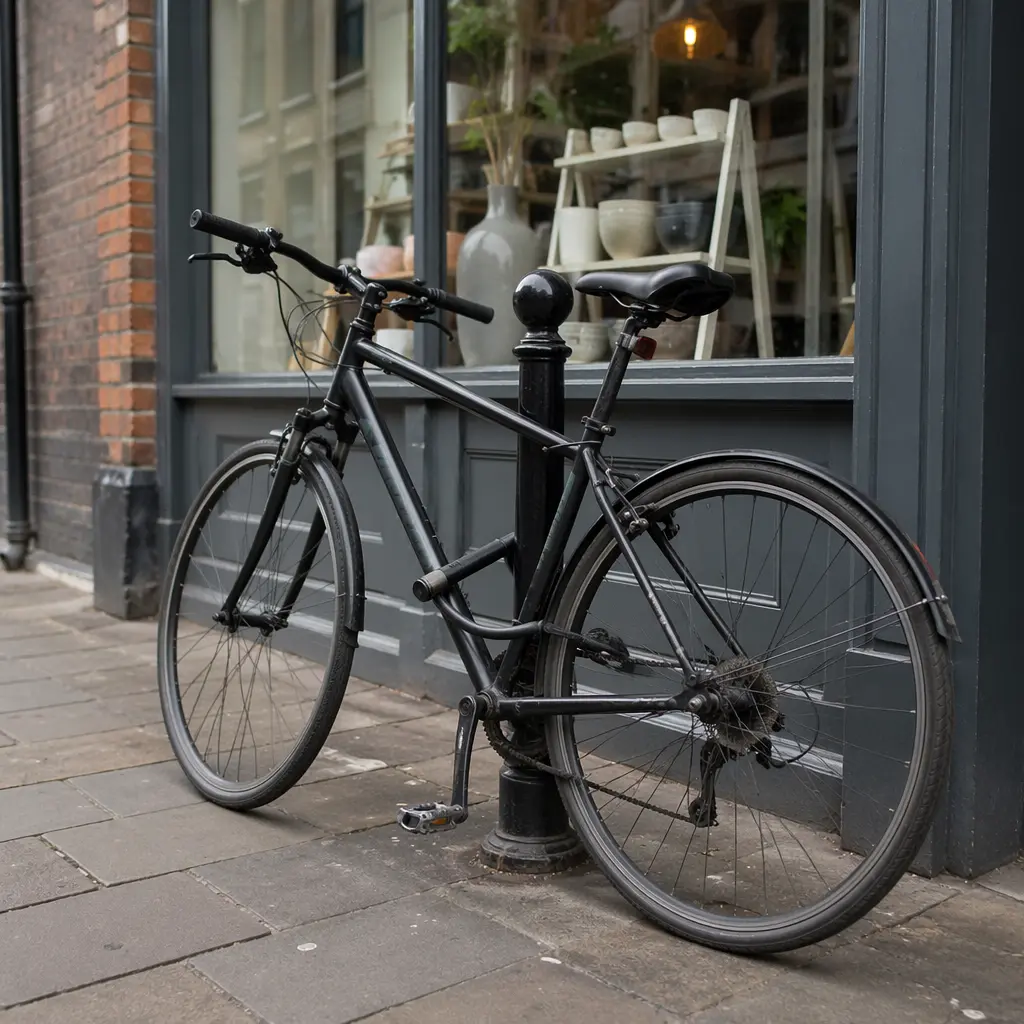
- Locks: One of the clearest cases for spending more. Heavier, certified locks offer far better theft resistance than bargain cable locks.
- Mudguards: Mid‑priced options with solid stays and proper coverage work far better than ultra‑cheap clip‑ons for year‑round riding.
- Pumps and inflators: A sturdier pump with a reliable valve head saves frustration and lasts for years.
- Bells, bottle cages and reflectors: Budget versions usually perform just as well as premium ones.
Frequently asked questions
Is an expensive helmet actually safer?
All helmets sold in the UK must meet minimum safety standards, so price alone doesn’t guarantee better protection. What you often get for more money is improved fit adjustment, lighter weight and better ventilation, which can make a helmet more comfortable and more likely to be worn correctly.
How much should I spend on bike lights?
For regular road riding, paying extra for bright, well‑sealed lights with dependable mounts is worthwhile. They’re easier for drivers to see and cope better with rain. For occasional daylight use as a legal backup, simpler lights can be sufficient.
Are cheap locks ever good enough?
Cheap locks mainly deter opportunistic theft. If you leave your bike in public places, spending more on a strong, certified lock is one of the best investments you can make, as replacing a stolen bike costs far more.
Do premium panniers and bags last longer?
Higher‑quality panniers often use tougher fabrics, better stitching and more reliable mounting systems. For daily commuting or carrying laptops and shopping, spending more can mean years of use instead of a quick replacement.
Not every bike accessory needs a premium price tag. Spend more where safety, security and durability matter most, and save money on simple items where performance differences are small. A thoughtful mix of budget and higher‑quality accessories will give you better value—and fewer headaches—over the long term.
Find these on Amazon
As an Amazon Associate, CheapBikes earns from qualifying purchases.