The Whyte 905: the UK hardtail that made long-and-low mainstream
Whyte’s 905 helped bring aggressive trail-bike geometry to everyday hardtail riders, blending UK-focused handling with practical kit and a confidence-first ride.

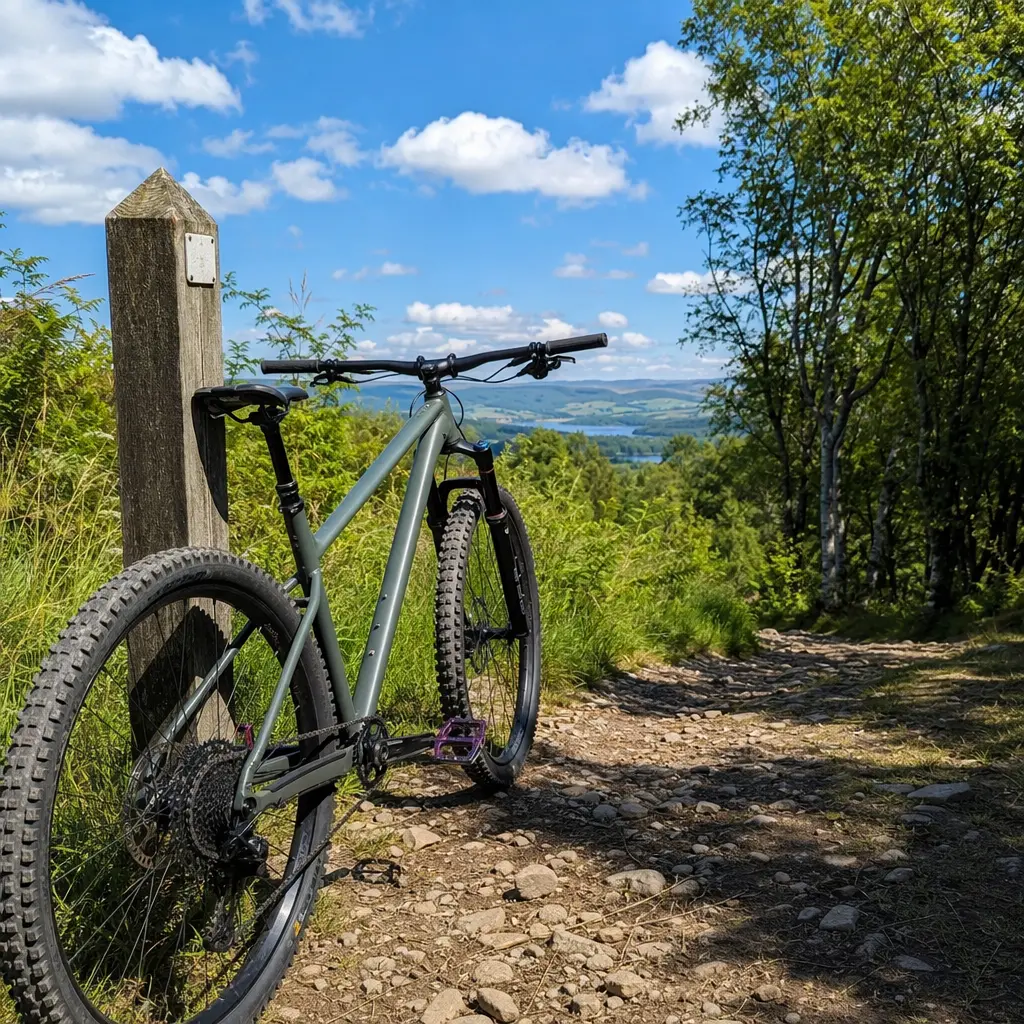
The Whyte 905 arrived at a point when hardtails were changing fast. For years, many affordable trail hardtails still leaned toward short stems, twitchy steering and cross-country habits. The 905 pushed in another direction: longer reach, slacker front-end geometry and a more planted feel aimed at technical UK trails rather than smooth cycle paths or race loops. It became one of the bikes that helped normalise the ‘long and low’ approach for riders who wanted confidence without stepping into full-suspension prices.
Where it came from
Whyte has long built bikes around British riding conditions. Founded by former motorsport and bicycle designer Jon Whyte, the brand gained a reputation for geometry-led mountain bikes designed around muddy trails, tight woods and steep natural descents rather than dry bike-park smoothness alone. The 900-series hardtails became a key part of that identity.
The 905 sat near the centre of the range: more capable than entry-level hardtails but still realistically priced for riders upgrading from starter bikes. In UK bike shops, it quickly became known as a serious trail hardtail rather than a casual hybrid-with-knobbly-tyres. Riders moving on from older XC-style bikes often noticed the difference immediately — the front wheel sat further ahead, the cockpit felt more stable at speed and steep descents became less intimidating.
Why it works
The core appeal of the Whyte 905 is that it behaves like a modern trail bike without needing rear suspension to create confidence. A slack head angle, stretched front centre and short stem combine to calm the steering when trails get rough or steep. On paper that can sound intimidating, but in practice the bike often feels easier rather than harder to ride. There is less sense of pitching over the front wheel and more room to move around the bike.
Unlike older hardcore hardtails that could feel harsh or overly specialised, the 905 generally balanced aggression with everyday usability. Aluminium frames kept prices sensible and durability high, while wide handlebars, dropper posts and grippy tyres made the bike ready for proper trail-centre riding straight from the shop floor. Whyte also paid attention to mud clearance and practical details that matter in year-round UK conditions.
- Long-and-low geometry aimed at technical trail riding
- Wide handlebars and short stem for stable steering
- Typically fitted with a dropper seatpost
- 29in wheels on many versions for rollover stability
- Tubeless-ready wheels and modern trail tyres
- Generous mud clearance for wet UK riding
Who it’s for
The 905 suits riders who spend most of their time on proper off-road trails rather than towpaths or gentle family routes. It works particularly well for trail-centre laps, woodland singletrack and natural descents where stability matters more than outright climbing speed. Many owners use one as a do-everything mountain bike: capable enough for uplift days and rough terrain but simpler and cheaper to maintain than a full-suspension setup. Budget-wise, the family usually sits in the upper mid-range hardtail bracket, often around £1,200-2,000 depending on age and specification.
Variants and what to look for today
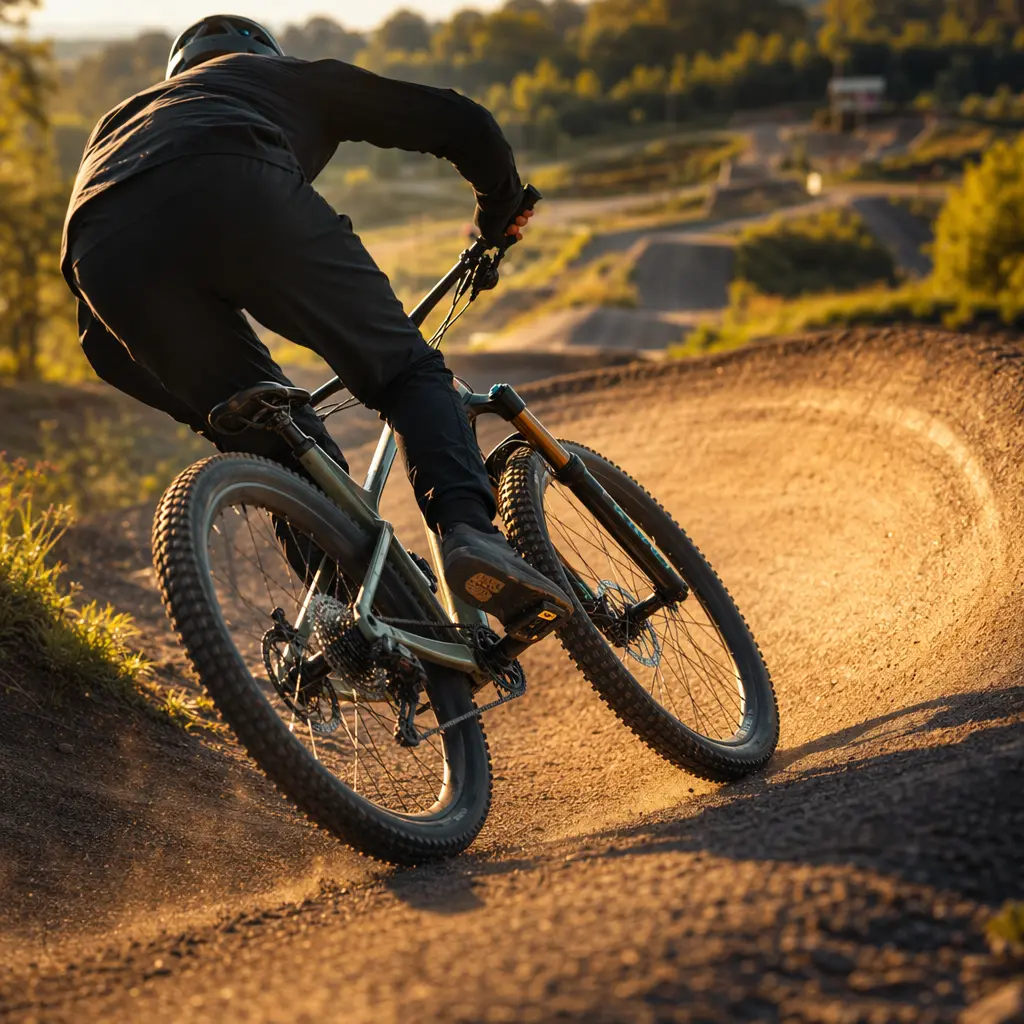
The 905 family has evolved over time, but the broad pattern stays familiar. Entry-level trims tend to use more basic suspension forks and drivetrains while keeping the same core geometry. Mid-spec versions usually offer the strongest value, pairing decent forks with reliable one-by drivetrains and stronger brakes. Higher-end models often gain lighter wheels, upgraded suspension and more refined finishing kit without dramatically changing the bike’s character.
On the used market, geometry age matters as much as component quality. Earlier examples may feel noticeably shorter and steeper than newer ones, although even older 905s were ahead of many rivals at the time. Check suspension fork servicing carefully, inspect the rear triangle and chainstays for stone damage, and look for signs of heavy bike-park use. Hardtails avoid pivot-bearing wear, but wheel condition and drivetrain wear can add substantial cost if neglected.
- Entry trims: solid frame and geometry, simpler fork and drivetrain
- Mid-range versions: often the sweet spot for UK trail riders
- Higher-spec builds: lighter kit and stronger suspension performance
- Check for worn bottom brackets, dented rims and neglected fork seals
- Inspect dropper post function and tyre clearance around muddy stays
Frequently asked questions
Is the Whyte 905 good for beginners?
It can be, especially for riders heading straight into trail-centre riding or technical woodland terrain. The geometry is forgiving at speed and on descents, although complete beginners may find it more bike than they need for canal paths or casual leisure riding.
Does the 905 climb well?
It climbs competently rather than feeling razor-sharp uphill. The longer geometry prioritises stability and descending confidence, but modern drivetrain gearing usually keeps steep climbs manageable. Many riders accept the slight climbing trade-off for the extra control downhill.
Are Whyte hardtails expensive to maintain?
Compared with full-suspension mountain bikes, maintenance is relatively straightforward. There are no rear suspension pivots or shock units to service, so most ongoing costs involve drivetrain wear, brake servicing and suspension fork maintenance.
Can the Whyte 905 handle jumps and rough trails?
That is exactly the kind of riding the bike was designed around. The stable geometry, strong wheels and trail-focused kit make it comfortable on rough descents, trail-centre features and moderate jump lines, provided the bike is maintained properly and ridden within its limits.
The Whyte 905 helped redefine what many UK riders expected from a hardtail. Instead of feeling like a compromise beneath a full-suspension bike, it offered a distinct riding style built around confidence, simplicity and modern geometry. Years on, it still stands as one of the hardtails that pushed aggressive trail handling into the mainstream without losing sight of real-world UK riding conditions.
Find these on Amazon
As an Amazon Associate, CheapBikes earns from qualifying purchases.