Trek Domane: Endurance geometry done right for UK miles
Trek’s Domane made endurance road bikes mainstream. Built for long, rough UK miles, it blends comfort-first geometry with modern road speed and everyday practicality.
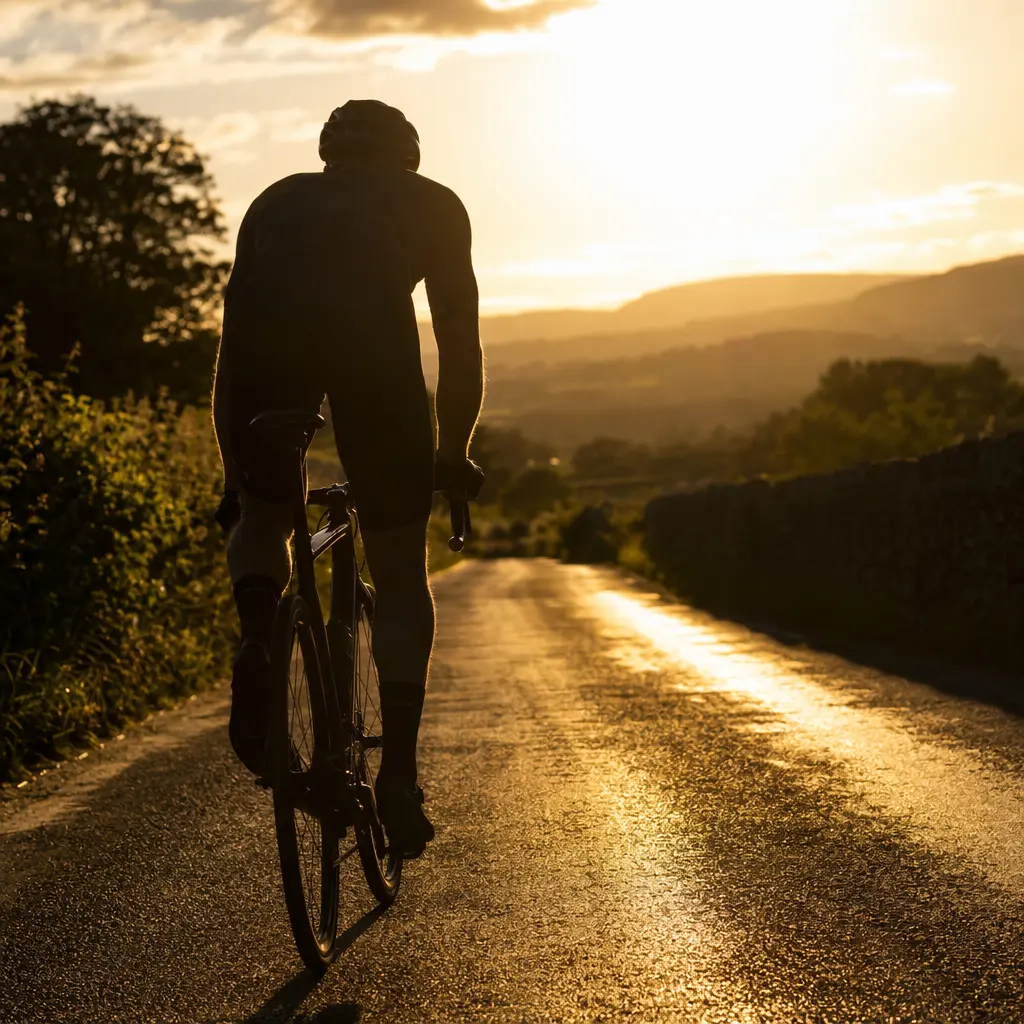
The Trek Domane sits squarely in the endurance-road sweet spot: fast enough to feel like a proper road bike, forgiving enough to handle Britain’s patchy tarmac, chipseal and winter lanes. Since its launch, it’s become a default recommendation for riders who want real-world comfort without drifting into gravel or touring territory. In the UK market, that has made the Domane a familiar sight on club runs, charity rides and long commutes alike.
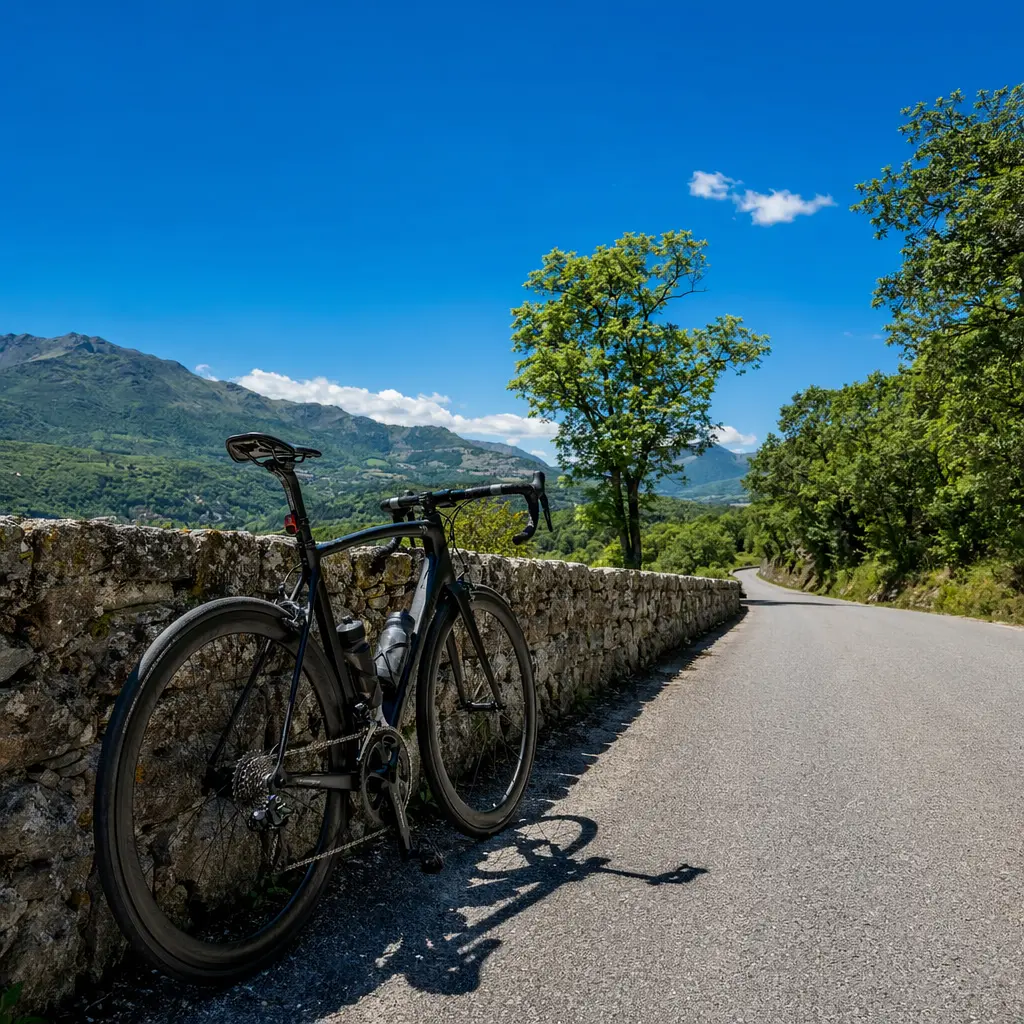
Where it came from
The Domane family arrived in 2012, at a time when “endurance” road bikes were still finding their identity. Trek positioned it as a counterpoint to its racier Madone, aiming squarely at riders who valued comfort and control over razor-sharp race geometry. Crucially, it wasn’t pitched as slow or soft — just more forgiving over long distances.
In the UK, the Domane has been sold through Trek’s own stores and a wide network of independent dealers, helping it gain traction beyond enthusiasts into the mainstream. Over the years, the range has evolved with disc brakes becoming standard, wider tyre clearance, and a clearer split between entry-level aluminium builds and higher-end carbon versions. Despite those changes, the core idea has stayed the same: make long road rides easier on the body.
Why it works
What makes the Domane work is its balance. The geometry is more upright than a pure race bike, reducing strain on the back, neck and shoulders, yet it still feels stable and purposeful when you put the power down. On rough roads — which describes a lot of UK riding — that stability translates into confidence rather than fatigue.
Design details typically focus on smoothing out vibration rather than chasing extreme lightness. Combined with room for wider tyres and practical fittings, the Domane ends up being a bike that suits how people actually ride here, not just how bikes are tested on perfect roads.
- Endurance-focused geometry for long hours in the saddle
- Generous tyre clearance for comfort on rough UK tarmac
- Disc brakes across most of the range for all-weather control
- Mounts for mudguards on many versions, boosting year-round usability
- Stable handling that favours confidence over twitchiness
Who it's for
The Domane is aimed at riders who want to ride further, more often, and in less-than-ideal conditions. That includes sportive riders building up to their first century, commuters who prefer drop bars, and club cyclists who don’t want to feel beaten up after a long Sunday loop. In budget terms, the family spans from entry-level aluminium builds typically around £1,000–£1,500 new, through to carbon models that climb well beyond that, depending on components.
Variants and what to look for today
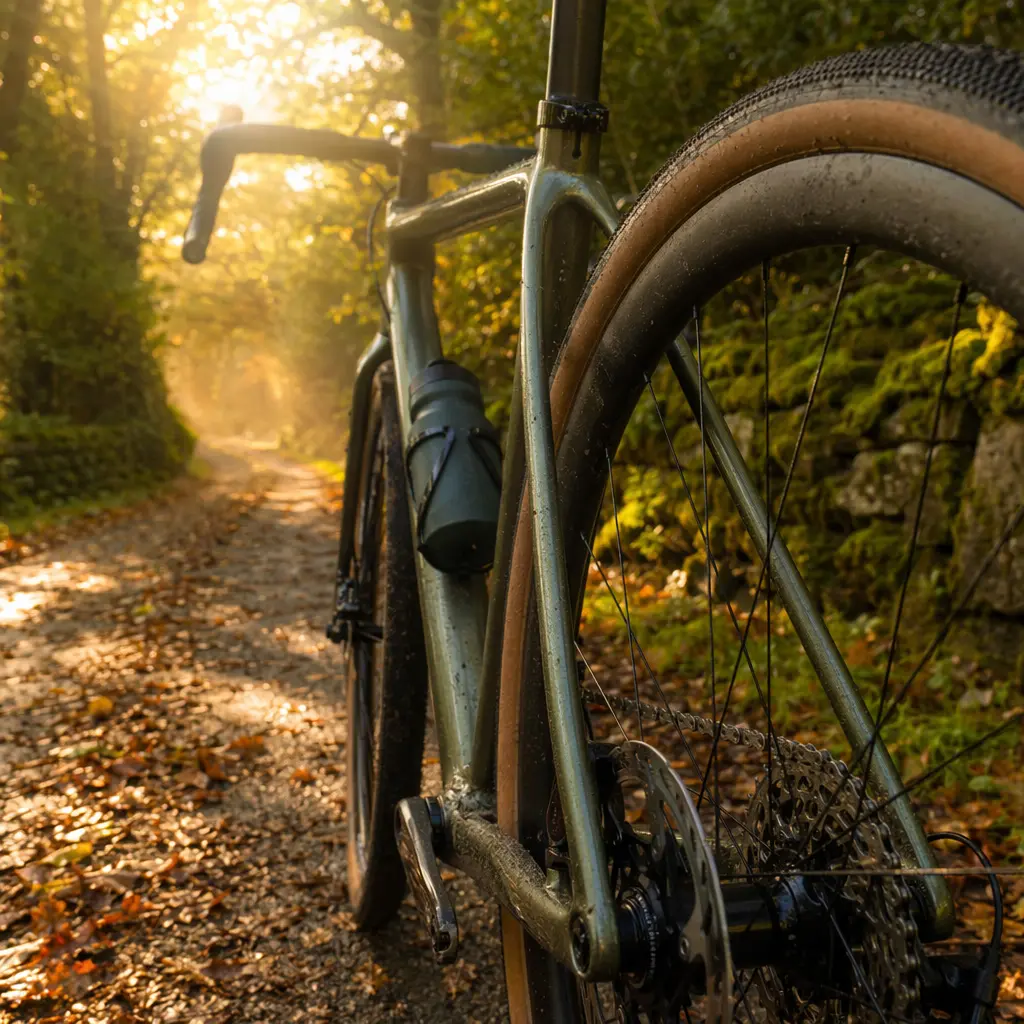
The Domane family generally splits into three broad tiers. Entry-level models tend to use aluminium frames with carbon forks, offering the same relaxed fit at a more accessible price. Mid-range options usually introduce carbon frames and lighter components, while top-tier builds focus on weight savings and premium finishing kits.
If you’re looking at a used Domane, pay attention to tyre clearance and brake standards, as older examples may be limited compared with current bikes. Check for signs of heavy winter use — worn drivetrain parts and corroded bolts can add to ownership costs — and make sure any integrated comfort features are functioning as intended.
Frequently asked questions
Is the Domane slow compared with race bikes?
Not really. While it’s not designed for aggressive racing positions, the Domane still transfers power efficiently. For most riders on real roads, the comfort can actually help maintain speed over longer distances.
Can it handle rough roads and lanes?
Yes. Wider tyres and stable handling make it well suited to broken tarmac, rural lanes and even light gravel, though it’s still a road bike at heart.
Is it suitable for commuting?
Many riders use the Domane for commuting, especially longer distances. Look for versions with mudguard mounts and consider tougher tyres for year-round use.
What should I budget for maintenance?
Running costs are similar to other modern road bikes. Expect regular drivetrain servicing and brake checks, with annual maintenance typically costing a few hundred pounds depending on use.
The Trek Domane has endured because it answers a simple question honestly: how do you make long road rides more enjoyable? By focusing on comfort, stability and everyday practicality, it’s become a go-to choice for UK riders who value miles over medals.
Find these on Amazon
As an Amazon Associate, CheapBikes earns from qualifying purchases.