Specialized Sequoia: the steel all-roads bike that grew up gravel
A cult classic from Specialized, the Sequoia blended steel comfort, mounts and big tyres before gravel went mainstream — a practical, enduring all‑roads idea that still makes sense in the UK.

The Specialized Sequoia arrived before “gravel” became a badge on every shop window. It was pitched as an all‑roads adventure bike for real distances and real loads — steel, discs, clearance for proper tyres, and mounts for days. In the UK it quietly built a following among commuters, tourers and weekend wanderers who wanted one bike to cover lanes, towpaths and bridleways without fuss.
Where it came from
Specialized has long had a knack for spotting where riding habits are heading, and the Sequoia was an early read on riders mixing surfaces and miles. Sold through UK Specialized dealers rather than big‑box retail, it sat between endurance road bikes and touring rigs: faster than a traditional tourer, tougher and more adaptable than a road bike.
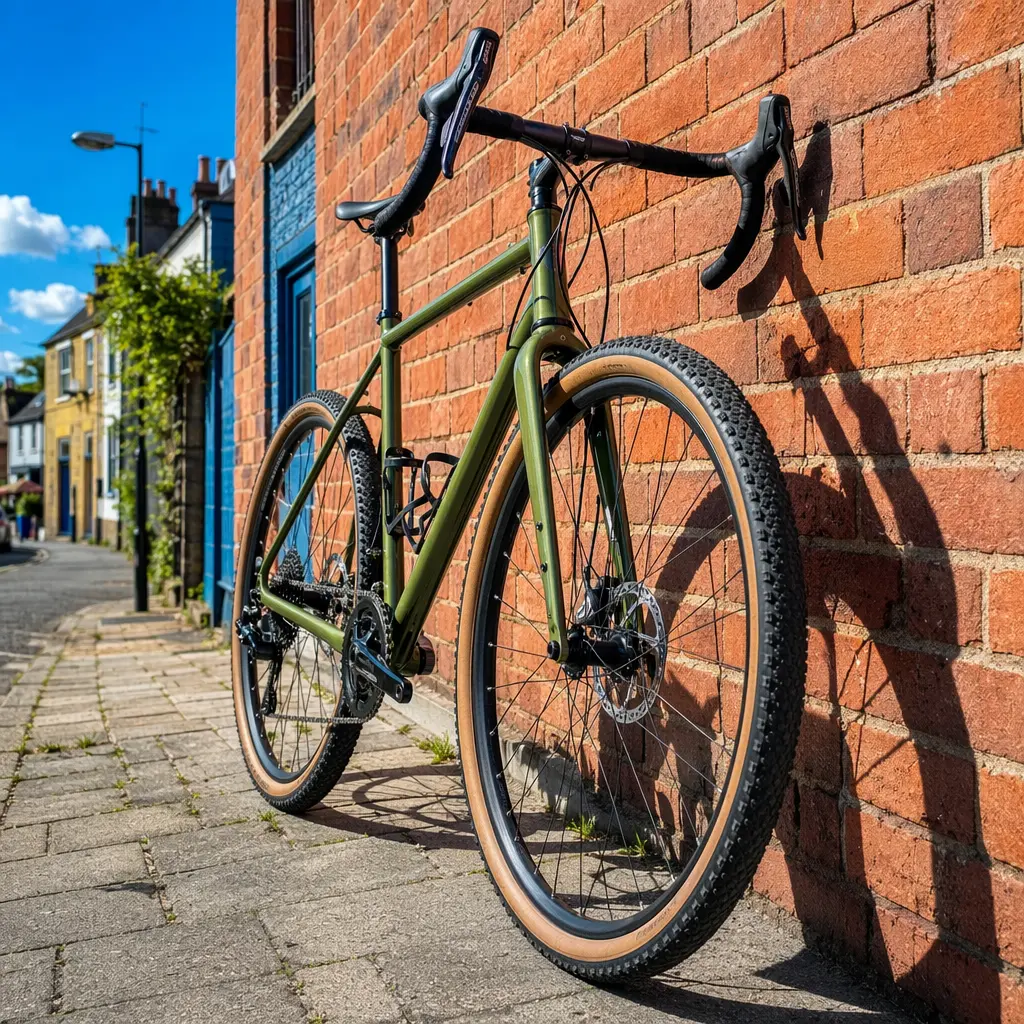
Built around a steel frame and fork, the Sequoia leaned into practicality at a time when carbon dominated marketing. It wasn’t about chasing lightness; it was about resilience, comfort and compatibility. As gravel matured — and as bikepacking took hold — the Sequoia’s approach looked prescient. Even after the range faded from new catalogues, its influence lingered in how “all‑roads” bikes are specced today.
Why it works
The Sequoia’s appeal starts with steel. Done right, it smooths chatter from broken tarmac and canal paths without feeling vague, and it shrugs off the knocks of year‑round UK riding. Geometry was stable rather than racy, encouraging long days and loaded rides, while disc brakes delivered confidence in wet weather — a must for British conditions.
Typical builds favoured sensible gearing and dependable components over flash. Clearance for wide tyres meant you could tune the bike for lanes one week and gravel the next, and the abundance of mounts made it easy to add mudguards, racks and bottles without bodging.
- Steel frame and fork prioritising comfort and durability
- Disc brakes for consistent stopping in the wet
- Clearance for chunky tyres to suit mixed surfaces
- Mounts for racks, mudguards and multiple bottles
- Stable, distance‑friendly geometry
Who it’s for
This is a bike for riders who value versatility over outright speed. Think commuters who detour onto towpaths, weekend riders stitching together lanes and tracks, or light tourers who want to pack a couple of panniers and go. On the used market, Sequoias typically sit in a mid‑hundreds bracket depending on condition and spec, making them a compelling alternative to new budget gravel bikes.
Variants and what to look for today
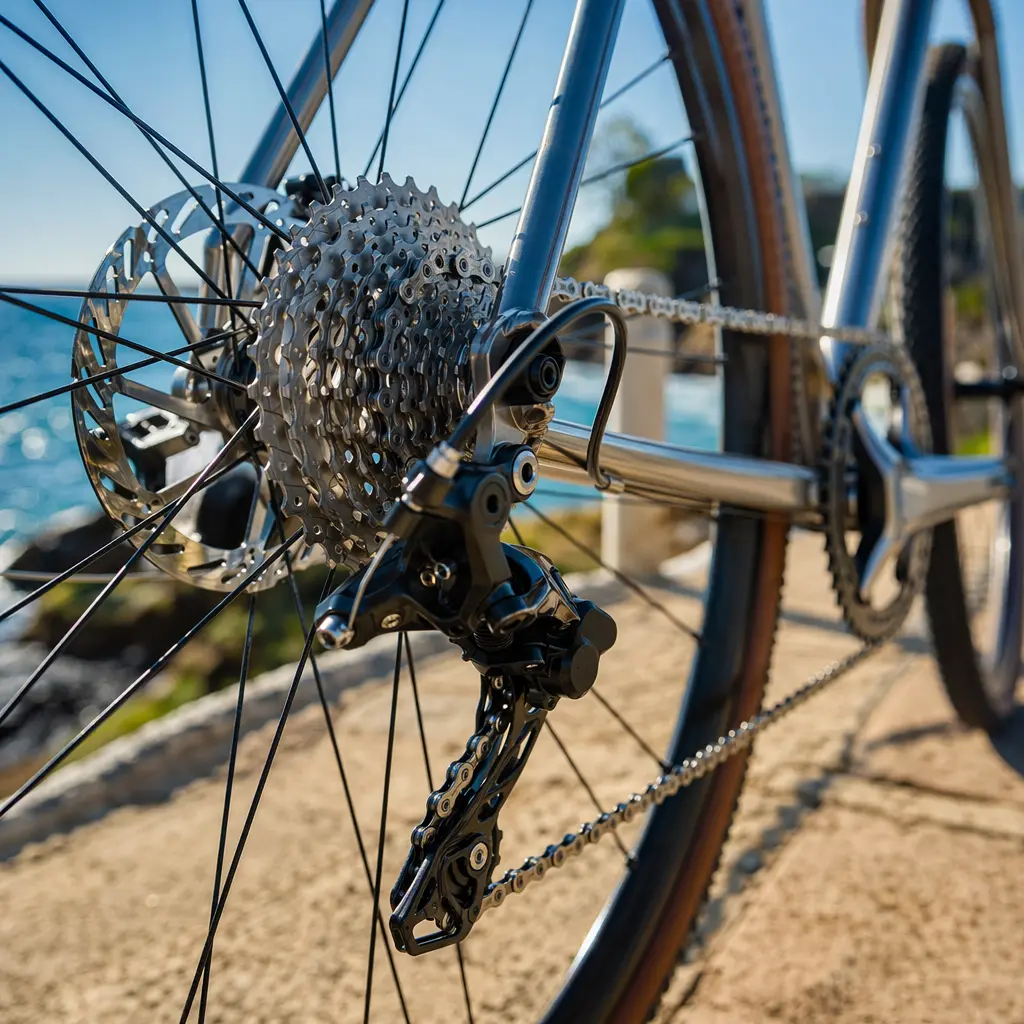
Over its life the Sequoia was offered in a handful of trims rather than endless micro‑updates. Entry builds focused on value and durability, while higher trims brought lighter finishing kit and wider gearing ranges. The frame and fork were the constant; components are easier to change later.
Buying used, condition matters more than original spec. Check the steel frame carefully for rust around bottle bosses, rack mounts and under the bottom bracket. Make sure the disc brakes are running true and that tyre clearance hasn’t been compromised by previous owners fitting oversized rubber. A well‑kept Sequoia can feel timeless; a neglected one will need budgeting for a refresh.
Frequently asked questions
Is the Sequoia a gravel bike or a tourer?
It sits between the two. Faster and more playful than a classic tourer, but with far more mounting options and tyre clearance than an endurance road bike.
How does steel compare to aluminium or carbon?
Steel trades weight for comfort and repairability. For long UK miles on mixed surfaces, many riders appreciate the calmer ride feel and durability.
Can it handle daily commuting?
Yes. With mudguards and a rack fitted, the Sequoia makes a solid year‑round commuter, especially if your route includes rough roads or paths.
Is it still worth buying today?
For riders who like steel and want a proven, adaptable platform, a good example remains a sensible buy — often offering more real‑world capability than a new entry‑level gravel bike.
The Specialized Sequoia didn’t chase trends; it helped set them. By treating mixed‑surface riding as something practical and grown‑up, it earned a reputation that outlasts its production run. For UK riders who want one bike to do a lot — calmly, comfortably and without drama — its legacy still resonates.
Find these on Amazon
As an Amazon Associate, CheapBikes earns from qualifying purchases.