Specialized Globe: the utility bike line ahead of its time
Long before urban utility bikes became fashionable again, the Specialized Globe mixed practicality, comfort and clean styling for everyday UK riding.
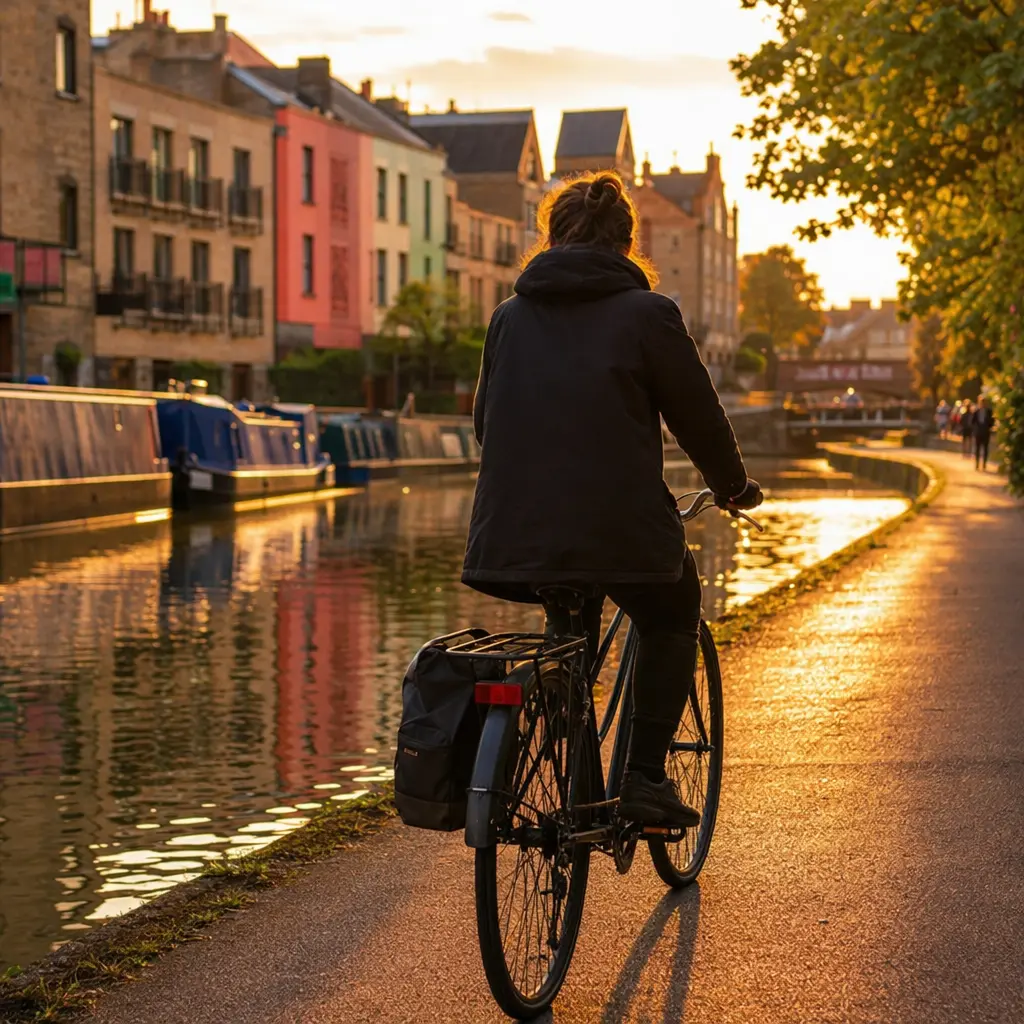
The Specialized Globe arrived before everyday cycling became fashionable again in British cities. At a time when mountain bikes and sporty hybrids dominated showroom floors, the Globe quietly pushed a different idea: practical bikes designed for ordinary transport rather than weekend fitness rides. Mudguards, racks, upright riding positions and understated styling were all part of the package, years before the modern commuter-bike boom made those features desirable again. In the UK market, the Globe became a familiar sight among city commuters, university riders and anyone wanting something more refined than a basic supermarket hybrid without moving into expensive boutique territory.
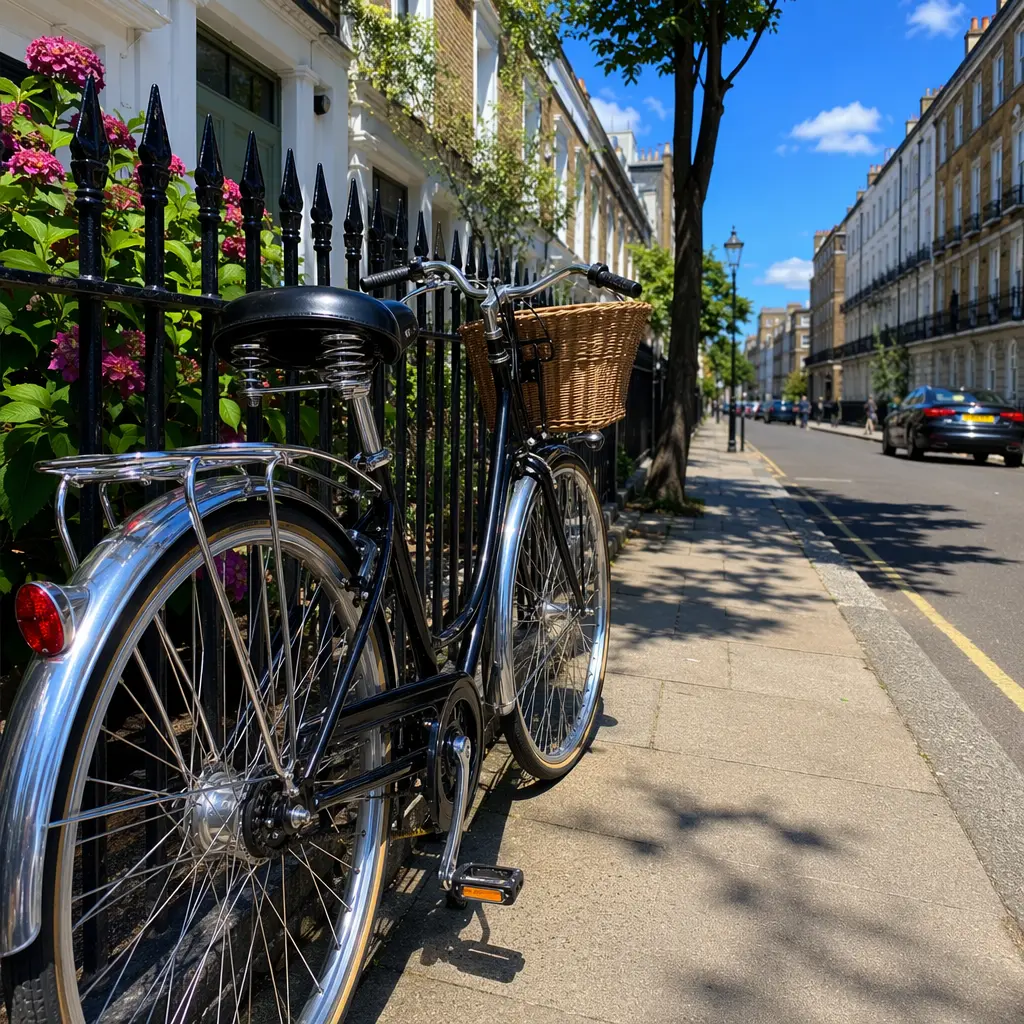
Where it came from
Specialized launched the Globe family as part of a broader move toward practical urban cycling. While the California brand built much of its reputation on mountain bikes and high-performance road machines, the Globe range took inspiration from European city bikes instead. The idea was simple: create bicycles that worked for daily transport without looking purely functional or old-fashioned.
In the UK, the timing was quietly significant. Through the 2000s and early 2010s, more riders began commuting by bike in cities including London, Bristol and Manchester, but many still ended up using converted mountain bikes or entry-level hybrids. The Globe offered something cleaner and more purpose-built. Depending on the version, buyers got integrated racks, puncture-resistant tyres, hub gears, chain guards or dynamo lighting long before those details became common on mainstream commuter bikes. Specialized dealers positioned the Globe as an everyday transport tool rather than a stripped-back sports machine, and that helped shape how many riders thought about urban cycling.
Why it works
What made the Globe distinctive was not outright performance but balance. The geometry usually leaned toward comfort and control, with a more upright fit than a sporty flat-bar hybrid. That made the bikes easier to handle in traffic, more forgiving over rough city streets and less tiring on slower everyday journeys. Frames often used aluminium to keep weight sensible while still feeling sturdy enough for loaded panniers and year-round use.
The range also avoided the stripped-down look that many older commuters accepted as normal. Globe models typically arrived ready for practical riding, with details that reduced hassle rather than chased speed. Some versions used internally geared hubs for lower maintenance, while others kept standard derailleur setups for lower cost and easier servicing. Tyres were usually broader than traditional road-bike rubber, helping comfort on broken tarmac, kerbs and canal paths.
- Upright geometry suited to stop-start urban riding
- Factory-fitted mudguards and luggage racks on many models
- Comfort-focused contact points including wider saddles and swept bars
- Practical tyre clearance for rougher city surfaces
- Simple, understated styling that aged well
- Utility-first setups that worked well with panniers and locks
Who it's for
The Globe family suits riders who value practicality and comfort over outright speed. In UK terms, that often means commuters covering shorter to medium urban distances, riders replacing car journeys, or returning cyclists wanting something approachable and stable. The riding position generally feels relaxed rather than aggressive, which appeals to people carrying bags, shopping or everyday clothing rather than cycling kit. On today’s second-hand market, many Globe bikes sit in the roughly £200-700 range depending on age, specification and condition, with some better-equipped utility versions commanding more because practical city bikes remain in demand.
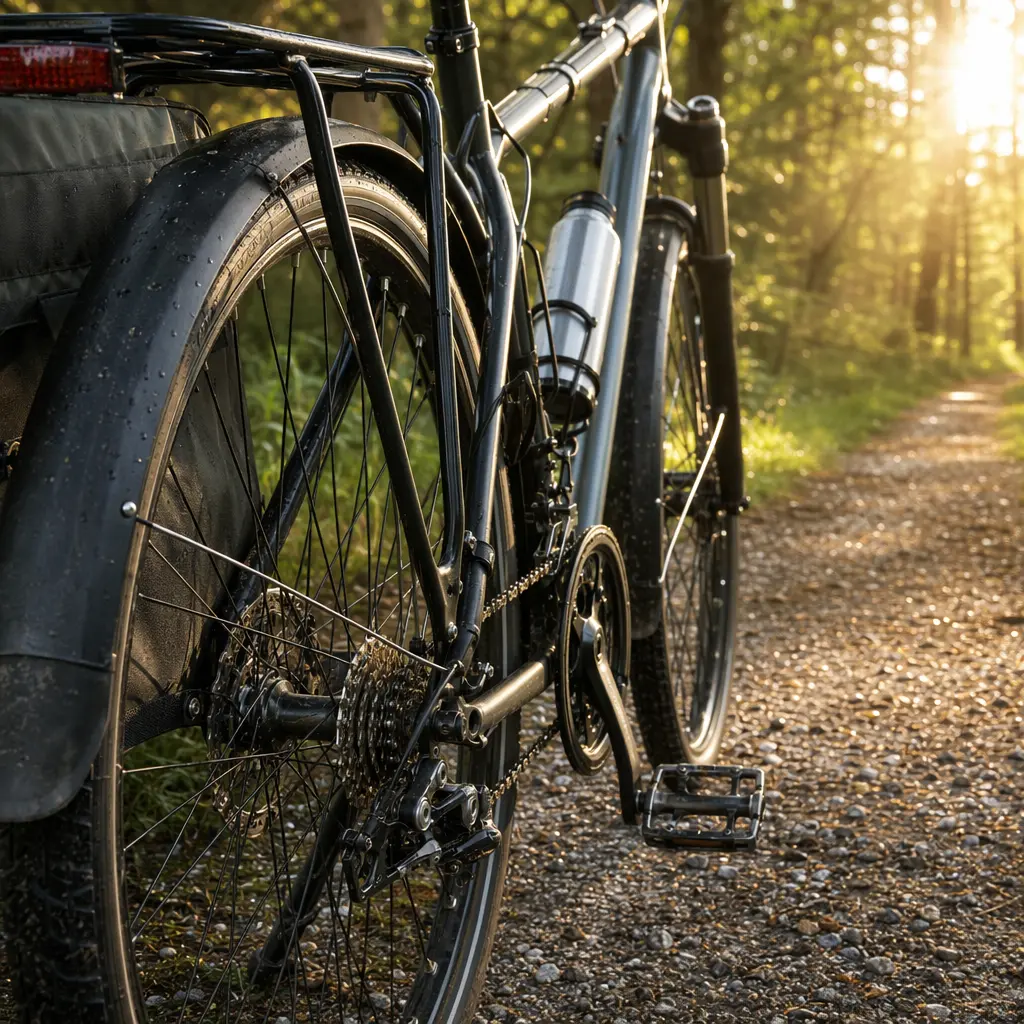
Variants and what to look for today
The Globe name covered several styles over the years. Entry-level versions usually kept things simple with derailleur gears, basic suspension-free aluminium frames and commuter-focused finishing kit. Mid-range bikes added higher-quality wheels, lighter components or hub gearing, while premium versions leaned more heavily into full utility-bike territory with integrated lighting systems and lower-maintenance drivetrains.
Because many Globes were bought as everyday transport, second-hand examples can show heavy cosmetic wear even if the frame itself remains sound. Buyers should pay close attention to consumable parts. Utility bikes often live outdoors or see winter use, so drivetrains, wheel rims and fasteners may suffer from corrosion. Hub gears should shift smoothly without slipping, while dynamo lighting systems are worth checking carefully because replacement parts can add cost. Tyre clearance and rack mounts are usually generous, which makes older Globe bikes easy to modernise with fresh commuting equipment.
- Check for corrosion around mudguard mounts and rack eyelets
- Inspect hub gears carefully if fitted
- Look for worn rims on heavily used commuter examples
- Confirm frame size because upright bikes can feel deceptively roomy
- Check that integrated lights or wiring still function properly
Frequently asked questions
Was the Specialized Globe an electric bike?
Originally, most Globe models were conventional pedal bikes focused on urban utility riding. Later on, the Globe name became associated with electric urban bikes as cycling trends evolved, but the earlier Globe family built its reputation around practical non-electric transport.
Are Globe bikes good for commuting?
That was their main purpose. The combination of upright handling, practical fittings and durable components made the range well suited to city commuting, short-distance errands and everyday transport riding.
Can older Globe bikes still be upgraded?
Yes. Most older Globe models use standard bike components and fittings, making it straightforward to add modern tyres, lights, mudguards, luggage systems or updated contact points. Their practical frame layouts make them especially adaptable.
How do Globe bikes compare with sporty hybrids?
They usually feel calmer and more upright than fitness-oriented hybrids. Riders gain comfort, practicality and carrying capacity, though they may feel slightly slower or heavier compared with lighter flat-bar road hybrids designed around speed.
The Specialized Globe now looks remarkably prescient. Many of the ideas it pushed into mainstream cycling — practical equipment, comfortable geometry and everyday usability — have become standard thinking in modern urban bike design. While the bikes themselves sit firmly in the heritage category today, the philosophy behind them feels current in a way many older cycling trends do not.
Find these on Amazon
As an Amazon Associate, CheapBikes earns from qualifying purchases.