Scott Aspect: the quiet hardtail that won UK beginners
Scott’s Aspect hardtail is a familiar sight on UK trails and towpaths. Sensible geometry, reliable kit and broad sizing made it a dependable first proper mountain bike.

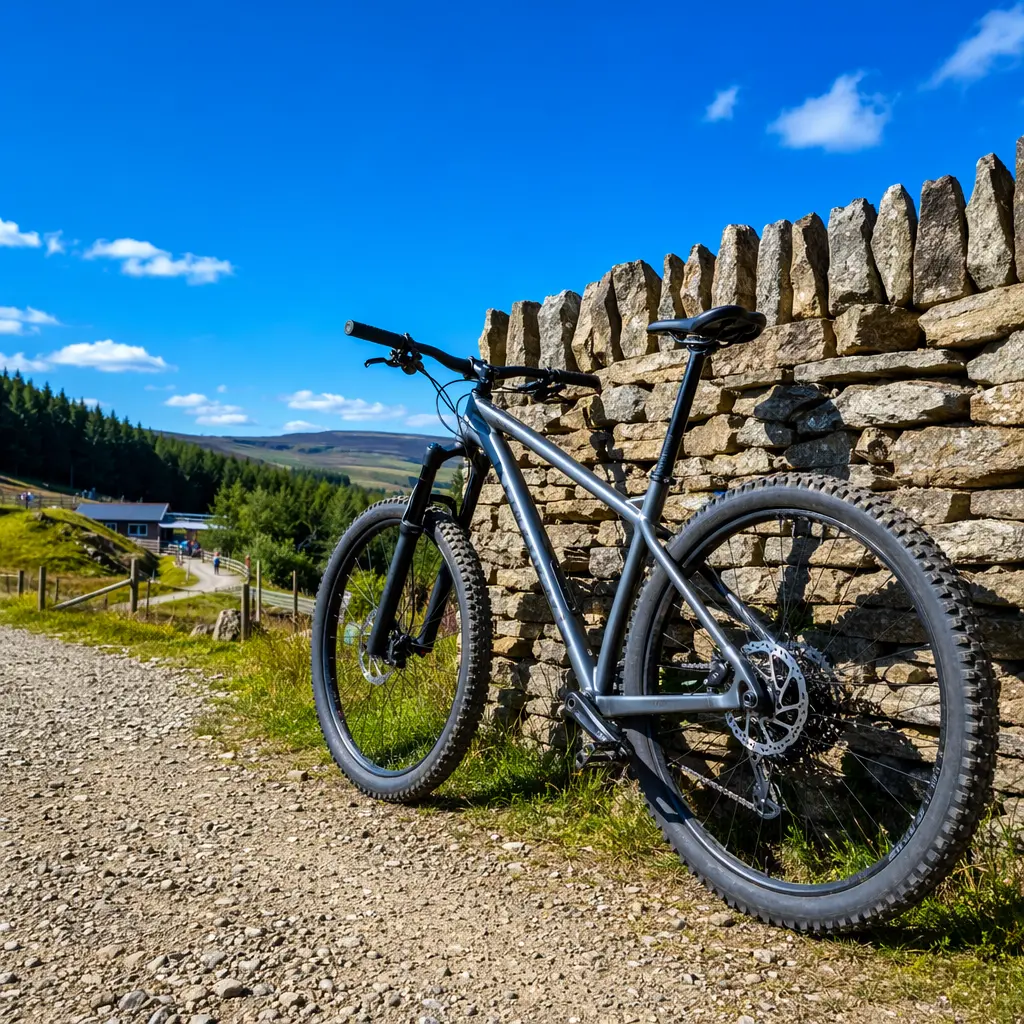
The Scott Aspect is one of those bikes that seems to be everywhere without making much noise about it. In the UK, it has quietly become a default choice for riders stepping into mountain biking or upgrading from a hybrid. Sensibly priced, widely available and easy to live with, the Aspect range sits squarely in the ‘first proper MTB’ slot — capable enough for trail centres and forest loops, but civilised enough for towpaths and bridleways.
Where it came from
Scott is a long-established name in performance cycling, but the Aspect wasn’t created to chase podiums. Instead, it was designed as an accessible entry point into the brand’s mountain bike line-up — a way for everyday riders to buy into Scott’s engineering without the eye-watering prices of its race-focused models.
In the UK, the Aspect has been sold through independent bike shops and major retailers alike, often recommended to newcomers who want something trustworthy rather than flashy. Over time, that consistency has built a reputation: if a rider asks for a dependable aluminium hardtail that won’t overwhelm them, the Aspect is frequently on the shortlist.
Why it works
At heart, the Scott Aspect is about balance. The geometry isn’t extreme — not too steep, not too slack — which keeps handling predictable on UK terrain. It feels stable on gravel tracks and towpaths, yet still confident enough when pointed down a red-graded trail at a trail centre. That middle-ground approach is a big part of its appeal.
Component choices across the range tend to favour reliability over bravado. Suspension forks are usually from well-known entry- to mid-level lines, tuned for comfort rather than aggression. Drivetrains prioritise simple shifting and sensible gear ranges, making steep climbs manageable without constant fettling.
- Lightweight aluminium hardtail frame designed for durability
- Comfort-focused geometry that suits UK trails and mixed riding
- Front suspension forks with sensible travel for beginners
- Wide handlebars and stable tyres for confidence on loose surfaces
- Mounts for mudguards or a bottle cage on many versions
Who it’s for
The Aspect is aimed squarely at riders who want to get off the road and explore without committing to a hardcore mountain bike. That includes beginners discovering trail centres, commuters who mix bridleways into their ride, and improvers building confidence on rougher ground. New prices typically sit in the affordable mid-hundreds depending on trim, while the second-hand market is busy and often good value.

Variants and what to look for today
The Aspect family usually spans several trims, from entry-level versions with basic forks and drivetrains through to better-specced models with lighter components and smoother shifting. The frame design remains broadly consistent, so the main differences come down to kit rather than ride character.
When buying second-hand, check the usual wear points. Forks should compress smoothly without knocking, gears should shift cleanly across the cassette, and wheels should run true. Many Aspects live a mixed life of trails and commuting, so keep an eye out for corrosion around bolts and for drivetrain wear from winter riding.
Frequently asked questions
Is the Scott Aspect suitable for trail centres?
Yes, particularly green and blue routes, and many riders take them onto reds as skills improve. It’s not built for big jumps or downhill tracks, but for general trail riding it’s well within its comfort zone.
Can it be used for commuting?
Plenty of UK riders do exactly that. With the right tyres and a set of mudguards, the Aspect works well for mixed-surface commutes, especially where potholes and kerbs are part of daily life.
Is it heavy compared to other hardtails?
Weight isn’t its headline feature, but it’s reasonable for an aluminium hardtail in this category. Any extra grams are traded for toughness and comfort, which many riders prefer.
What upgrades make sense first?
Tyres are often the biggest improvement, followed by contact points like grips and saddle. Those changes can transform ride feel without major expense.
The Scott Aspect doesn’t shout for attention, and that’s precisely why it’s endured. For UK riders who want a mountain bike that’s easy to recommend, easy to ride and easy to maintain, it remains a quietly dependable choice — a reminder that getting started doesn’t have to mean compromising on quality.
Find these on Amazon
As an Amazon Associate, CheapBikes earns from qualifying purchases.