Riese & Müller Charger: the premium e-bike built for daily life
Riese & Müller’s Charger helped define the premium utility e-bike in the UK, blending Bosch power, comfort-focused geometry and everyday practicality into a polished long-distance commuter.

The Riese & Müller Charger sits in a part of the UK bike market that barely existed a decade ago: the high-end everyday e-bike built to replace car journeys without feeling utilitarian. German-built, heavily equipped and unapologetically expensive, the Charger family became known for turning routine riding into something smoother, quieter and more comfortable than many riders expected from a practical bike. In a market once dominated by stripped-back hybrids and basic hub-motor commuters, the Charger helped normalise the idea that an e-bike could be both a serious transport tool and a genuinely refined machine for long days in the saddle.
Where it came from
Riese & Müller started in Germany during the 1990s, initially gaining attention for full-suspension folding bikes before becoming one of Europe’s most recognisable premium e-bike brands. The Charger emerged as part of the company’s push into practical Bosch-powered urban and trekking machines, aimed at riders who wanted everyday reliability, comfort and range rather than lightweight sportiness alone.
In the UK, the Charger found an audience among commuters with longer journeys, riders replacing a second car, and older cyclists returning to regular riding with electric assistance. Unlike cheaper supermarket or catalogue e-bikes, the Charger family arrived fully formed as a transport package: integrated lighting, mudguards, racks, quality tyres and carefully matched Bosch systems. Dealers often positioned it alongside premium urban mobility products rather than entry-level bicycles, with prices typically starting well above £4,000 new depending on battery size and specification.
Why it works
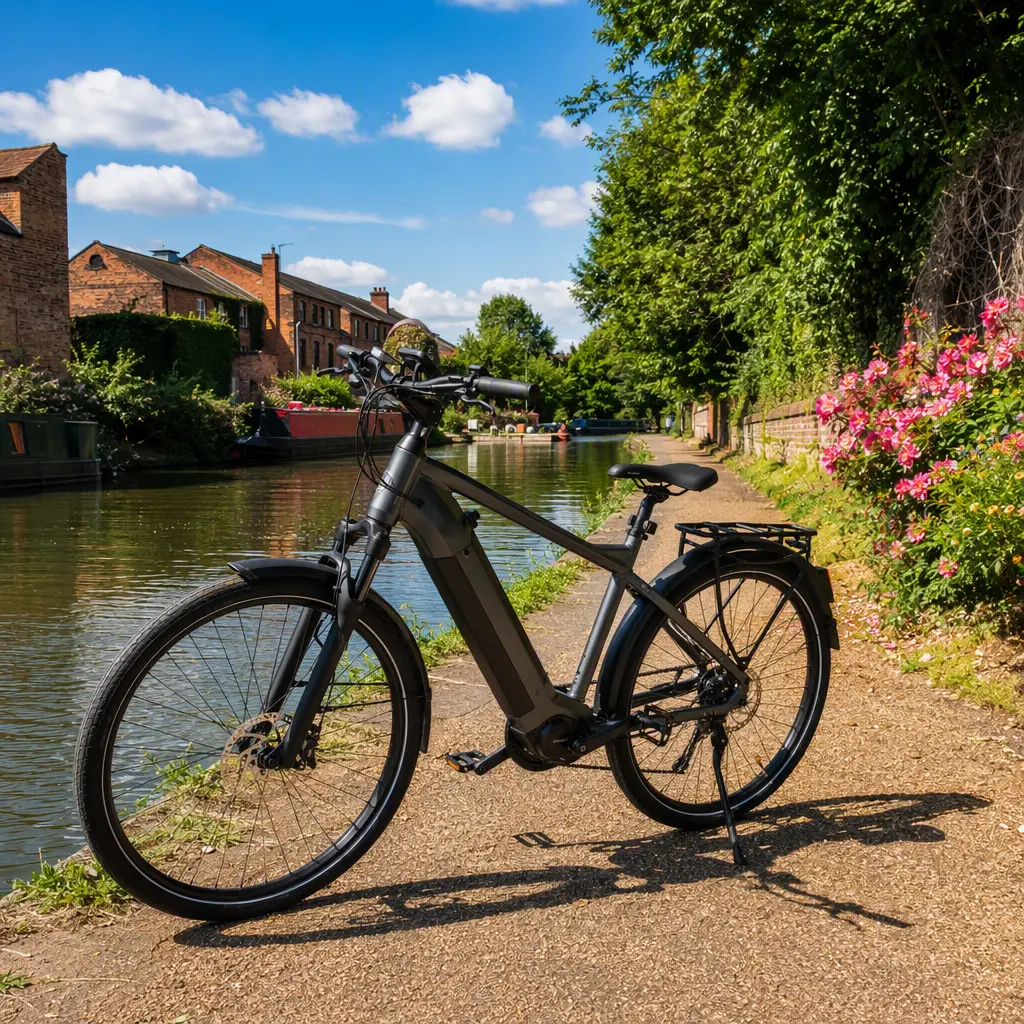
A big part of the Charger’s appeal is that it rides more like a well-sorted touring or trekking bike than a bulky electric machine. The frame geometry is upright without feeling sluggish, giving a clear view through traffic while remaining stable at speed. Bosch mid-drive motors provide smooth assistance on hills and into headwinds, and the battery integration keeps the weight balanced rather than hanging awkwardly off the rear rack.
Comfort also became a defining trait of the range. Many Charger models feature suspension forks, suspension seatposts and high-volume tyres that soften rough tarmac, dropped kerbs and towpath shortcuts. Rather than chasing aggressive styling, Riese & Müller focused on low-maintenance practicality and polished finishing details. Even heavily loaded with shopping or panniers, the bikes tend to feel composed and predictable.
- Bosch mid-drive motor systems with strong dealer support across the UK
- Integrated lighting, mudguards and rear racks fitted as standard on most versions
- Comfort-focused riding position suited to commuting and longer leisure rides
- Large battery options aimed at higher-mileage riders
- Available in step-through and traditional frame layouts
- Strong emphasis on stability when carrying luggage or riding year-round
Who it’s for
The Charger family is aimed at riders who use a bike regularly rather than occasionally. That includes year-round commuters, leisure riders covering serious weekend miles, and households trying to reduce car dependency for local journeys. It particularly suits riders who value comfort, low day-to-day hassle and dependable assistance over lightweight performance. Budget-wise, this sits firmly in premium territory, with used examples still commanding strong prices and newer bikes commonly landing in the same bracket as a small used car.
Variants and what to look for today
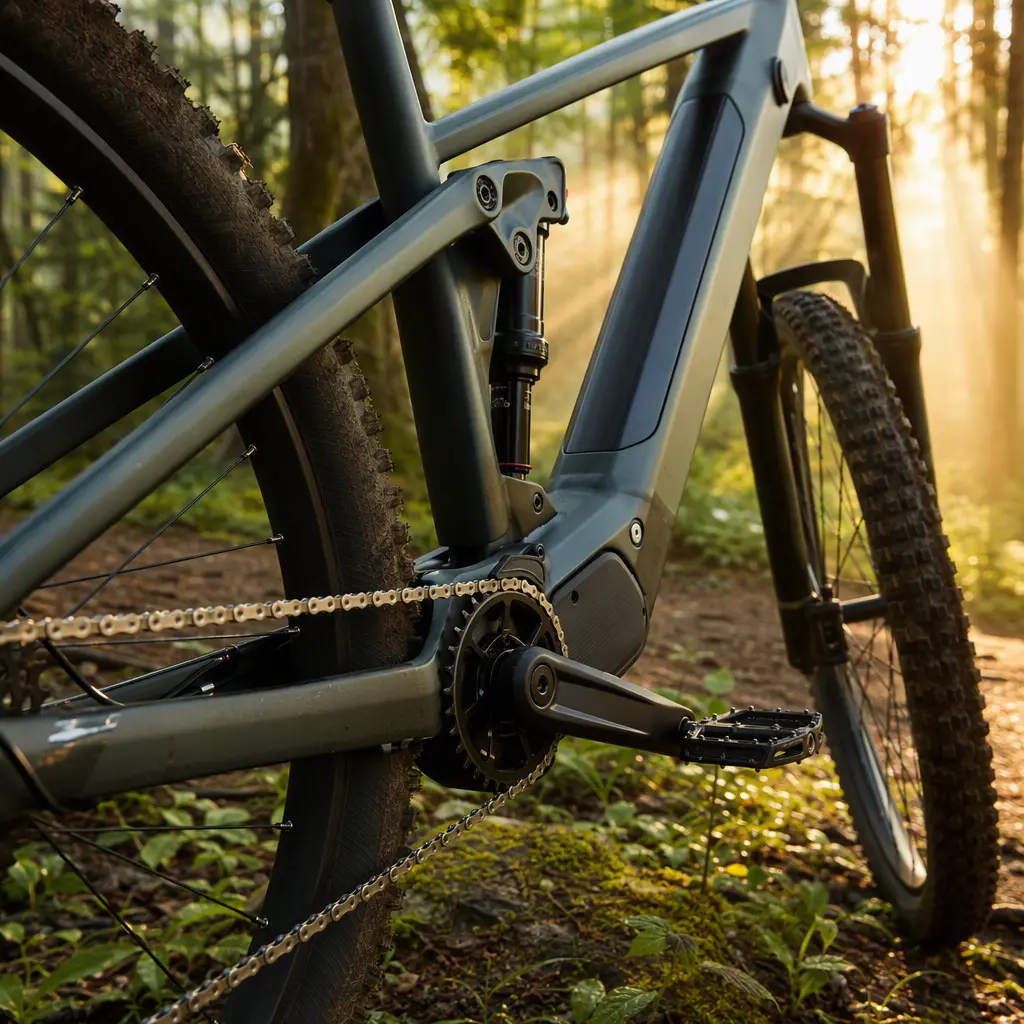
The Charger family has evolved through several generations, but the overall formula remains consistent. Entry-level versions usually focus on conventional derailleur gearing and simpler suspension setups, while mid-range and higher trims often add larger batteries, upgraded brakes, wider gear ranges or low-maintenance belt-drive systems paired with internal hub gears. Step-through versions are especially popular in UK urban riding because they make frequent stops and loaded panniers easier to manage.
Second-hand buyers should pay close attention to battery health and servicing history. Bosch systems are generally dependable, but replacement batteries remain expensive, so checking charge cycles and range performance matters. Look for signs of hard year-round use such as corrosion around fasteners, worn drivetrain parts and neglected suspension components. Because these bikes are valuable and desirable, it is also sensible to verify frame numbers against theft registers and ensure chargers and keys are included.
- Entry trims often use derailleur gearing for lower upfront cost
- Mid-range versions may include larger batteries and upgraded suspension
- Top-end models commonly feature belt drives and internal hub gears
- Check battery condition and charger availability before buying used
- Inspect racks and mudguard mounts for fatigue if heavily loaded
Frequently asked questions
Are Riese & Müller Charger bikes good for commuting?
Yes. The Charger range was designed around everyday transport use, with integrated lights, racks and weather-ready equipment making it especially practical for longer commutes and year-round riding.
How heavy is a Charger e-bike?
Most versions are noticeably heavier than a standard hybrid because of the motor, battery and utility equipment. That said, the balanced frame design means they usually feel stable once moving rather than cumbersome.
Can a Charger handle leisure rides and touring?
Absolutely. The comfortable geometry, strong battery range and luggage-carrying ability make the family well suited to day rides, rail-trail routes and light touring with panniers.
Is a used Charger worth considering?
A well-maintained used Charger can still offer strong value because the frames and Bosch systems are built for high mileage. The key is checking battery condition, service history and general wear carefully before buying.
The Riese & Müller Charger helped shift perceptions around what an e-bike could be in the UK. Rather than treating electric assistance as a gimmick or a shortcut, it packaged it into a genuinely practical, comfortable and polished everyday bike. It remains expensive compared with mainstream hybrids and commuters, but for riders covering regular miles in mixed weather, the Charger family still stands out as one of the clearest examples of the premium utility e-bike done properly.
Find these on Amazon
As an Amazon Associate, CheapBikes earns from qualifying purchases.