Raleigh Detour: the comfort-first hybrid for everyday miles
The Raleigh Detour is a relaxed hybrid built for errands, towpaths and steady commuting, with upright comfort and practical kit taking priority over outright speed.
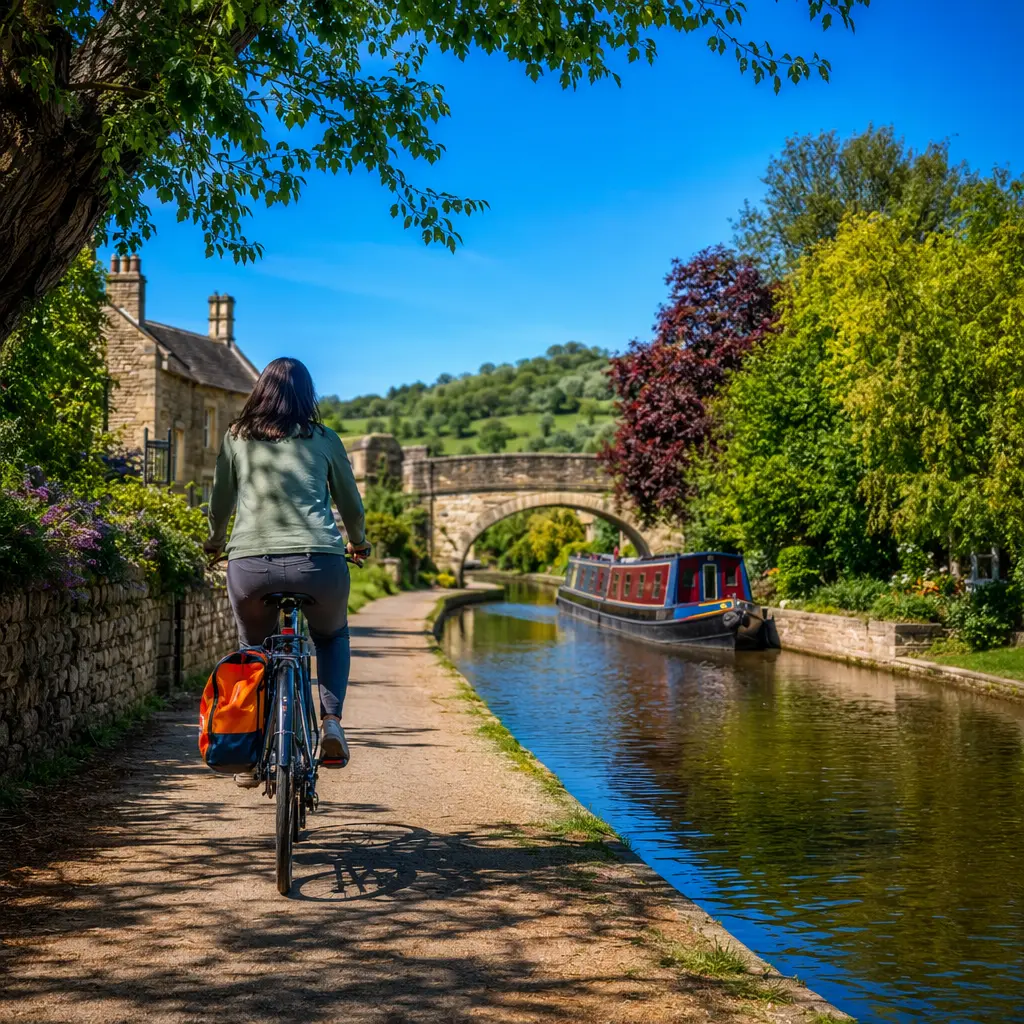
The Raleigh Detour sits in a familiar corner of the UK cycling market: the easy-going hybrid built for ordinary journeys rather than sporty ambitions. It is the sort of bike aimed at riders who want dependable transport, gentle fitness rides or relaxed weekend spins without crouched riding positions or intimidating components. In a market crowded with racier hybrids and budget mountain bikes pressed into commuting duty, the Detour has generally leaned towards comfort, practicality and straightforward riding manners.

Where it came from
Raleigh has long been associated with practical cycling in Britain, and the Detour fits neatly into that tradition. Rather than chasing aggressive geometry or trail-bike styling, the family was positioned as an approachable hybrid for day-to-day riding. It appeared as part of Raleigh’s wider push towards leisure and commuter hybrids that could handle roads, parks, canal paths and light gravel without demanding specialist clothing or cycling know-how.
In UK bike shops and online retail, the Detour has usually occupied the accessible middle ground: more comfort-oriented than a fitness hybrid, but lighter and easier rolling than a traditional shopper bike. Many versions have been sold with practical accessories already fitted or easily added, which helped it appeal to commuters, returning cyclists and riders wanting a dependable machine for local trips. The emphasis has rarely been outright value at the lowest possible price; instead, the Detour tends to trade on familiarity, comfort and low-stress ownership.
Why it works
The Detour’s appeal comes from its calm, upright riding position. The geometry is typically designed to reduce pressure on wrists, shoulders and lower back, making it feel less demanding than sportier hybrids. Wider saddles, slightly swept-back handlebars and stable steering all contribute to a bike that feels reassuring rather than twitchy. That matters for riders negotiating kerbs, cycle lanes and stop-start urban traffic, especially if they are not interested in riding fast.
Tyres are usually chosen with versatility in mind: broad enough to smooth rough tarmac and towpaths, but not so chunky that the bike feels sluggish on roads. Most Detour models also favour simple, durable drivetrains with enough gears for moderate hills rather than high-performance setups that need constant tuning. Suspension forks appear on some versions, though rigid-fork models can feel lighter and easier to maintain for mainly urban use.
- Relaxed upright riding position for comfort and visibility
- Stable handling suited to commuting and leisure rides
- Hybrid tyres that cope with roads, paths and light gravel
- Practical fittings for mudguards, racks or panniers
- Easy-to-understand gearing aimed at everyday use
Who it's for
The Detour is aimed squarely at everyday riders rather than cycling enthusiasts chasing speed records. It suits commuters covering modest distances, riders returning to cycling after years away, and people who want one bike for errands, canal paths and occasional longer rides. It also makes sense for flatter towns and suburban areas where comfort matters more than shaving seconds off a journey. New and lightly used examples typically sit in the affordable-to-mid-range hybrid bracket, often around £350-700 depending on specification and accessories.
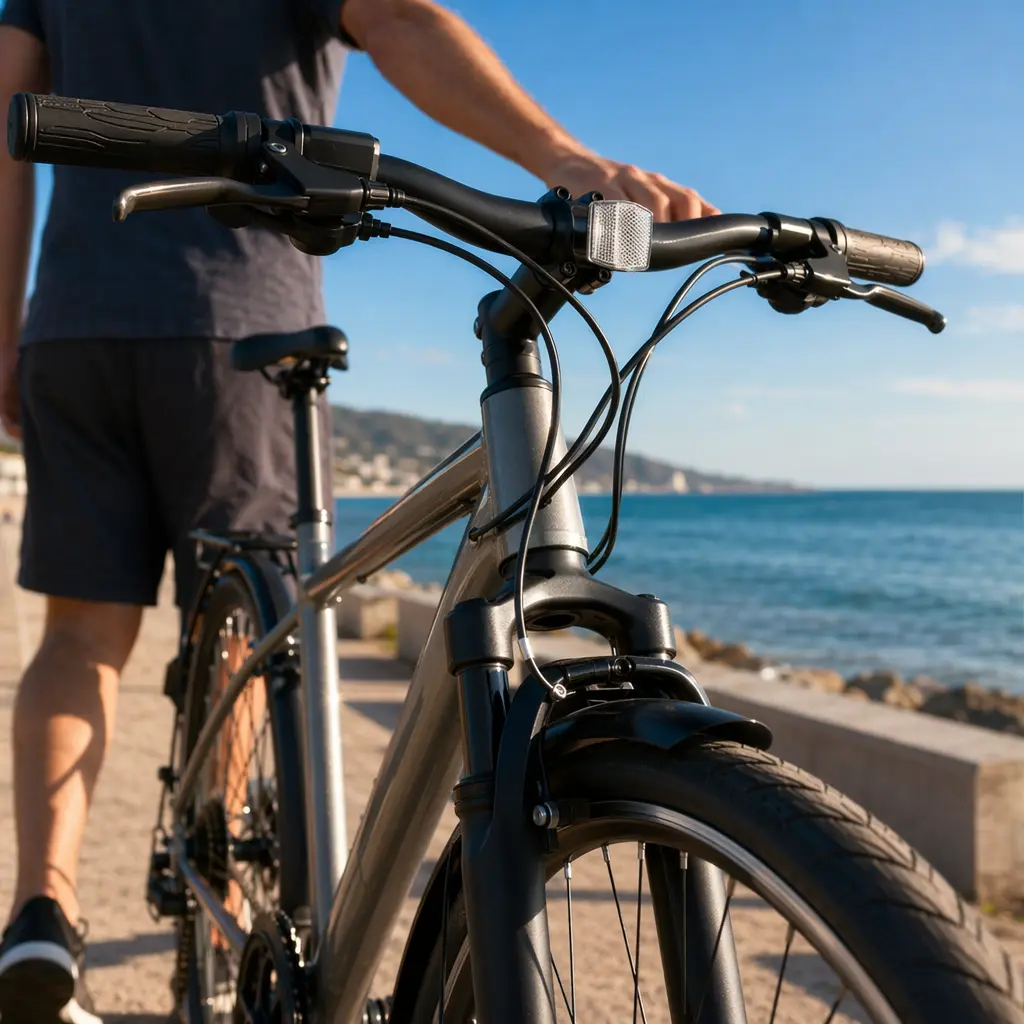
Variants and what to look for today
The Detour family has generally followed the familiar hybrid pattern of entry, mid and better-equipped trims. Entry-level versions tend to focus on simple drivetrains, mechanical disc brakes or rim brakes and straightforward finishing kit. Mid-range models often add hydraulic disc brakes, lighter wheels or improved comfort features, while higher trims may include better-quality gearing and integrated commuter accessories.
When shopping second-hand, condition matters more than trim level. A well-maintained lower-spec Detour is often a better buy than a neglected expensive version. Check for drivetrain wear, corrosion around bolts and spoke nipples, and signs of hard outdoor storage. If the bike has a suspension fork, ensure it still moves smoothly without excessive play or oil leakage. Mudguard mounts, racks and kickstands can also reveal how heavily the bike has been used for utility riding.
- Check wheel rims for wear if the bike uses rim brakes
- Inspect tyres for cracking from long-term storage
- Test all gears under load rather than only on a stand
- Look for frame size labels that match your height range
- Confirm frame numbers and ownership history before buying
Frequently asked questions
Is the Raleigh Detour good for commuting?
Yes, particularly for shorter and medium-distance commutes where comfort matters more than outright speed. Its upright riding position gives good visibility in traffic, and many models can carry mudguards and panniers for everyday practicality.
Can it handle gravel paths and towpaths?
The Detour is generally happy on compact gravel, towpaths and park tracks. It is not designed for technical mountain biking, but the wider tyres and stable handling make rougher surfaces manageable at sensible speeds.
Are suspension forks necessary on this type of bike?
Not always. Suspension can add comfort on broken roads and paths, but rigid-fork versions are usually lighter and simpler to maintain. For mainly urban riding, many riders find good tyres and sensible tyre pressure more useful than basic suspension forks.
What should a used Raleigh Detour cost?
Prices vary widely with age and condition, but older examples can often be found from around £150-300, while newer and better-equipped versions may sit closer to £400-600. Accessories and overall maintenance history can make a big difference to value.
The Raleigh Detour has endured because it understands what many cyclists actually need: a bike that feels comfortable, predictable and easy to live with. It is not built to impress club riders or dominate trail centres, but for everyday journeys, relaxed fitness rides and practical transport, that calm approach remains its strongest selling point.
Find these on Amazon
As an Amazon Associate, CheapBikes earns from qualifying purchases.