The Lapierre Edge: the approachable French hardtail for UK trails
Lapierre’s Edge range has become a familiar sight at UK trail centres thanks to relaxed handling, sensible kit and pricing that keeps proper mountain biking within reach.
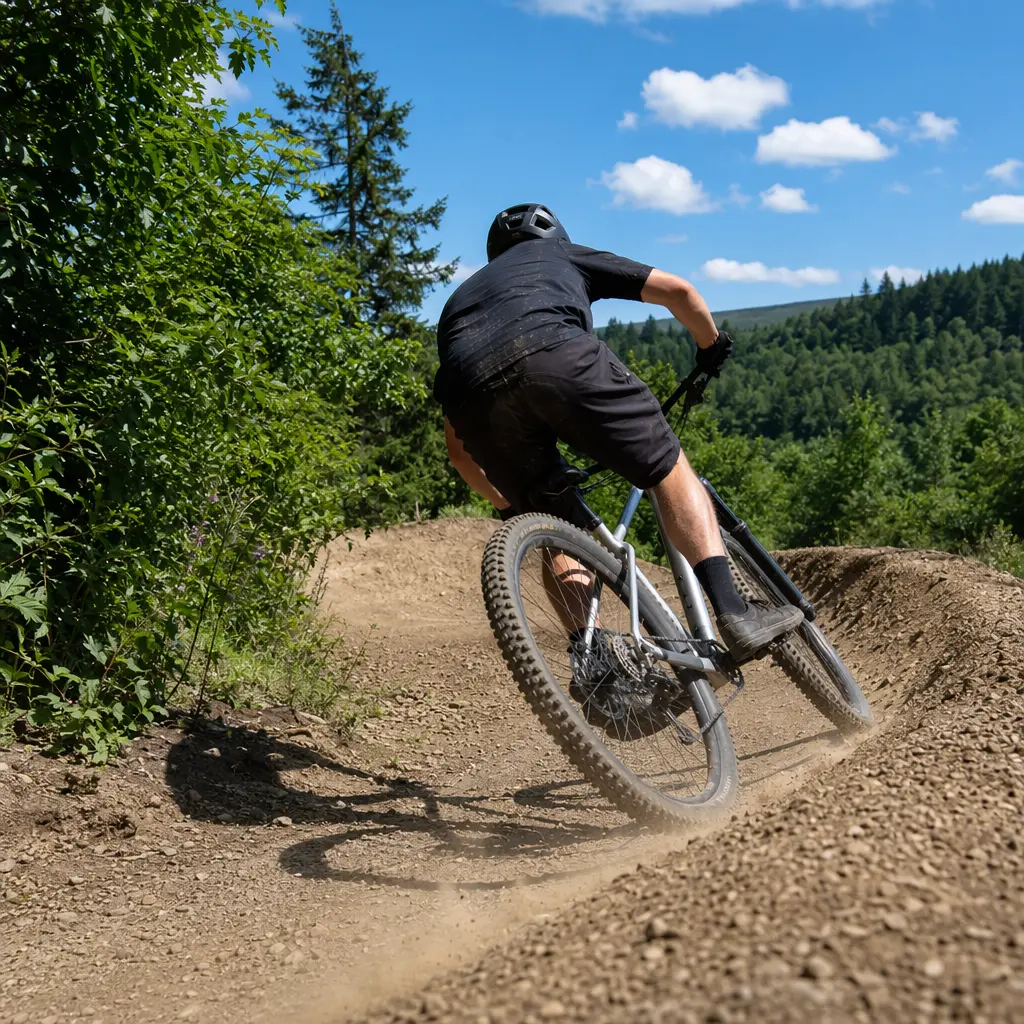
The Lapierre Edge sits in a part of the mountain bike market that matters more than glossy superbikes often suggest. It is a straightforward aluminium hardtail range aimed at riders who want to start riding proper off-road trails without spending full-suspension money. In the UK, the Edge has steadily built a presence through independent bike shops and trail-centre car parks rather than loud marketing campaigns. That low-key approach suits the bike itself: practical, capable and generally priced within reach for riders moving up from supermarket bikes or older hybrids.
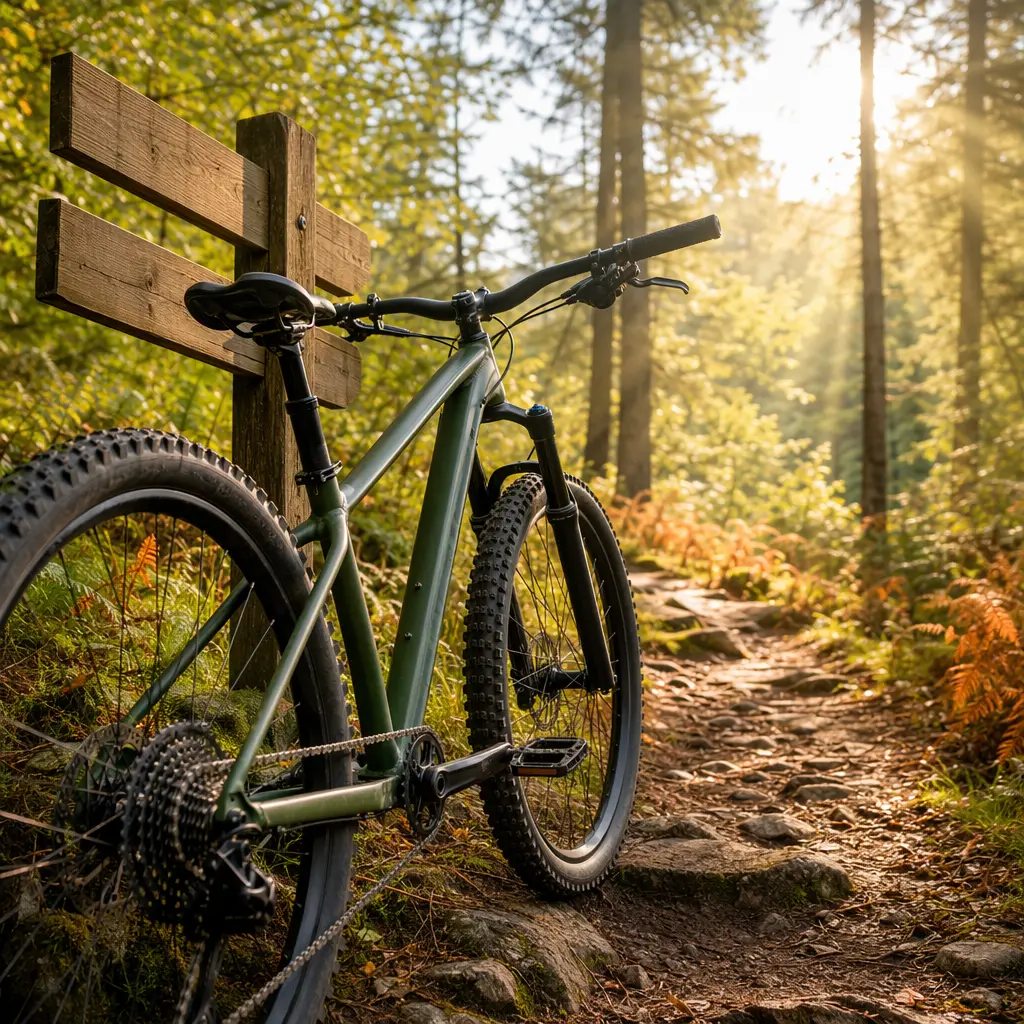
Where it came from
Lapierre is one of France’s long-established bicycle brands, with roots stretching back to the middle of the twentieth century. While the company has racing heritage across road cycling and downhill competition, the Edge range targets something more everyday: accessible trail riding and recreational mountain biking. In the UK market, that places it alongside entry and mid-level hardtails from brands such as Trek, Giant and Specialized, but usually with a slightly more understated profile.
The Edge family became increasingly visible as UK trail centres expanded and riders looked for versatile bikes that could handle woodland singletrack, towpaths and weekend loops without specialist maintenance demands. Lapierre’s UK distribution has tended to focus on independent dealers rather than big-box retail, which means Edge buyers often encounter the bikes through local bike shops that can help with sizing and setup. That has helped the range earn a reputation as a sensible first ‘proper’ mountain bike rather than a fashion-led purchase.
Why it works
The appeal of the Edge comes from balance rather than extremes. Most versions use lightweight aluminium frames with stable trail-oriented geometry that feels reassuring on rough ground without becoming sluggish on cycle paths or climbs. The riding position is typically upright enough for newer riders while still giving enough front-end control for steeper descents and trail-centre features.
Component choices across the range usually favour reliability over attention-grabbing specification. Suspension forks tend to offer moderate travel suited to UK woodland riding, while wide handlebars and grippy tyres add confidence on loose surfaces. Hydraulic disc brakes appear on many models and make a noticeable difference in wet conditions, especially on muddy descents common through autumn and winter riding in Britain.
- Aluminium hardtail frames designed for durability and straightforward maintenance
- Stable handling that suits beginners and returning riders
- Wide-range gears for mixed terrain and steep trail-centre climbs
- Hydraulic disc brakes on many trims for reliable all-weather stopping
- Room for larger tyres that cope well with muddy UK conditions
Who it's for
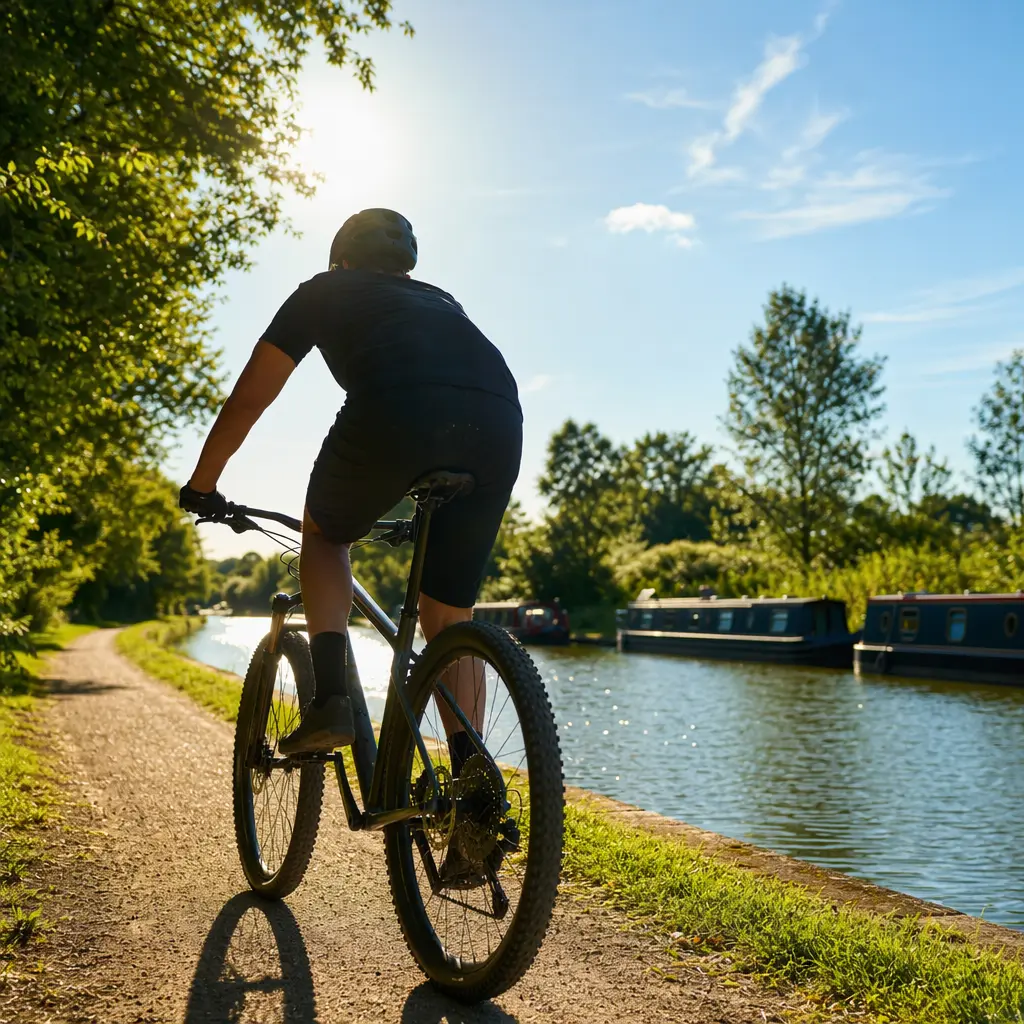
The Edge range suits riders who want genuine off-road capability without the cost or complexity of a full-suspension bike. That includes weekend trail-centre riders, commuters mixing tarmac with canal paths, and adults returning to cycling after years away. It is also a common stepping stone for riders learning core mountain-bike skills before deciding whether to specialise in cross-country riding or more aggressive trail riding later on. New bikes in the family typically sit in the lower-to-middle mountain bike price brackets, while used examples can represent solid value for riders shopping around the £300-700 mark depending on age and condition.
Variants and what to look for today
The Edge family generally spans several trim levels rather than radically different frame designs. Entry-level versions tend to focus on affordability with simpler drivetrains and coil-sprung forks, while mid-range models often gain lighter components, stronger brakes and air-sprung suspension forks that are easier to tune for rider weight. Higher trims may include tubeless-ready wheels and more modern wide-range gearing setups.
For second-hand buyers, the usual hardtail checks matter more than chasing specification numbers. Suspension fork condition is particularly important because neglected entry-level forks can become expensive relative to the bike’s value. Brake wear, wheel trueness and drivetrain condition also deserve attention, especially on bikes ridden regularly through winter mud. Many Edge models were bought by newer riders, so it is worth checking for signs of poor storage or infrequent servicing rather than assuming hard trail abuse.
- Entry trims usually focus on recreational riding and light trails
- Mid-range versions commonly add hydraulic brakes and improved forks
- Higher trims may include lighter wheels and modern one-by drivetrains
- Check for corrosion around bolts and drivetrain parts after winter use
- Inspect suspension fork stanchions for scratches or oil leaks
Frequently asked questions
Is the Lapierre Edge suitable for beginners?
Yes. The stable handling and straightforward setup make it a common first step into trail riding. It is designed to feel manageable rather than aggressive, which helps newer riders build confidence on loose surfaces and moderate descents.
Can the Edge handle UK trail centres?
Most versions are well suited to blue and red-grade trail-centre riding, especially with decent tyres fitted. Riders tackling larger jumps or repeated rocky descents may eventually want a more advanced trail bike, but the Edge covers a broad range of everyday off-road riding comfortably.
Does the Edge work for commuting as well?
It can. The upright riding position and wide tyres cope well with rough urban roads, towpaths and kerbs. The trade-off is that knobbly tyres and suspension make it slower on pure tarmac than a hybrid bike.
Are Lapierre bikes easy to service in the UK?
Generally yes. The Edge uses common mountain bike standards and components available through UK bike shops. Routine servicing for brakes, drivetrains and tyres is straightforward, and replacement parts are widely available.
The Lapierre Edge has endured because it avoids overcomplicating the mountain bike experience. It offers enough trail capability for real off-road riding while staying practical, durable and attainable for ordinary riders. In a market crowded with expensive technology and rapidly shifting trends, that straightforward formula still makes plenty of sense on British trails.
Find these on Amazon
As an Amazon Associate, CheapBikes earns from qualifying purchases.