DMR Sidekick: the junior MTB range for real trail riding
DMR’s Sidekick range brings proper mountain-bike geometry and low weight to younger riders, giving UK families a kids’ MTB that feels closer to an adult trail bike than a toy.
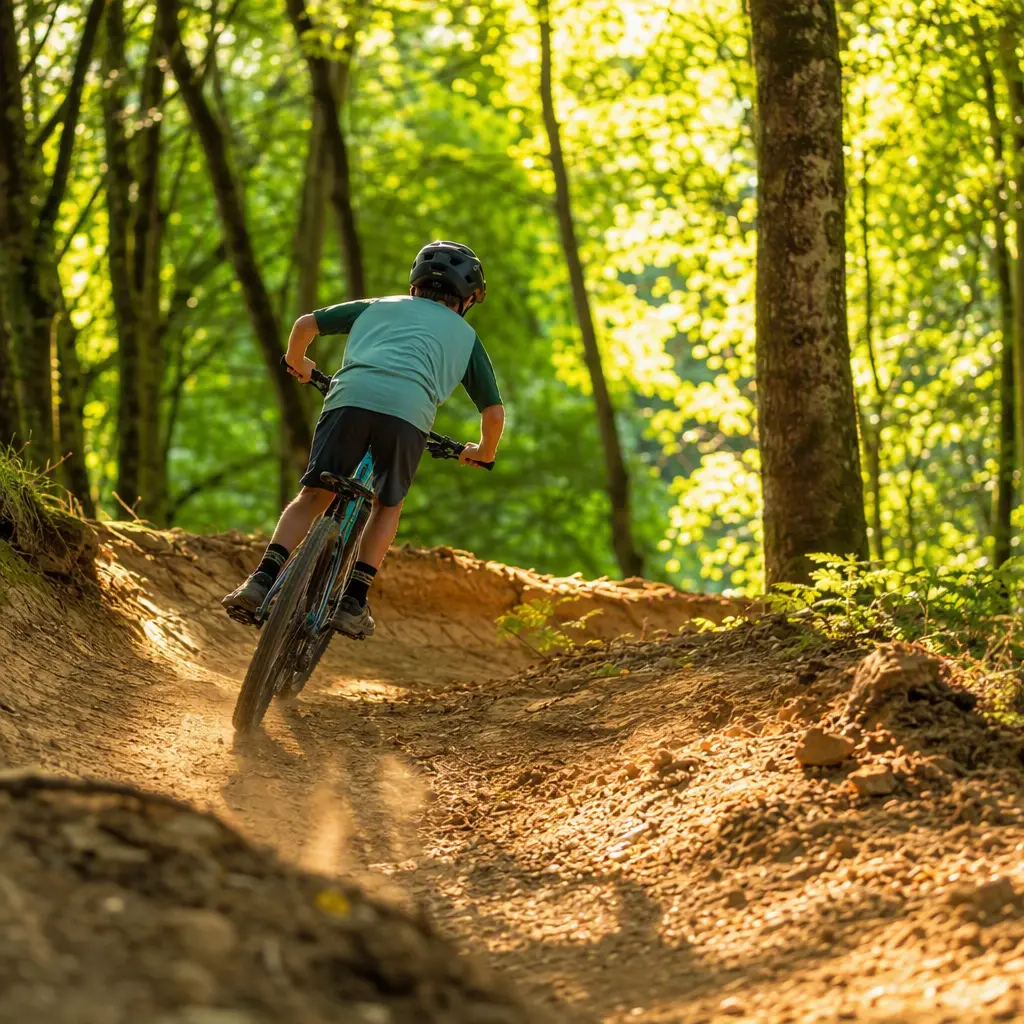
The DMR Sidekick sits in a growing corner of the UK bike market: kids’ mountain bikes designed for children who genuinely ride trails rather than simply pedal around parks. That distinction matters. For years, many children’s bikes were effectively scaled-down supermarket MTBs with heavy frames, awkward sizing and suspension forks that added weight without much control. The Sidekick range takes a different route, focusing on low weight, sensible geometry and components young riders can actually use on real off-road terrain. It is aimed at families already involved in riding, trail centres or weekend woodland loops, where a child’s bike needs to climb properly, corner confidently and survive muddy UK conditions.
Where it came from
DMR has long been associated with British mountain biking, particularly dirt jump, trail and gravity riding. The company built its reputation around tough components such as pedals, frames and cockpit parts that appealed to riders who spent weekends at trail centres and jump spots rather than purely commuting. The Sidekick range emerged from that same practical trail-riding culture, but aimed squarely at younger riders.
In the UK market, the Sidekick occupies a more enthusiast-focused position than many department-store or general-cycle-shop children’s bikes. Rather than trying to imitate a full-suspension adult bike with oversized tubing and budget parts, the Sidekick family concentrates on getting the basics right. The result is a junior MTB range often seen with families who ride regularly together and want a child’s bike that will not hold a young rider back as confidence improves.
Why it works
A major reason the Sidekick range has gained attention is weight. Children notice excess bike weight far more than adults do, especially on climbs or technical ground. DMR’s approach keeps the bikes comparatively light while still using proper mountain-bike tyres, wide handlebars and stable geometry. That combination gives younger riders more control without making the bike feel sluggish.
The geometry also leans towards modern trail-bike thinking. The riding position is stable enough for woodland descents and trail-centre corners, but still comfortable for longer family rides. Most versions use rigid forks rather than cheap suspension units, which helps reduce weight and improves steering precision. For many younger riders on UK trails, a well-designed rigid fork paired with larger tyres actually gives a more confidence-inspiring ride than a basic suspension fork that barely functions in mud and rain.
- Lightweight aluminium frames designed around junior sizing
- Wide tyres for grip on loose woodland and gravel surfaces
- Stable trail-focused geometry without overly stretched reach
- Simple drivetrains that are easier to maintain through wet UK winters
- Disc brakes on many versions for more predictable stopping in mud
- Rigid fork setups that prioritise low weight and steering accuracy
Who it’s for
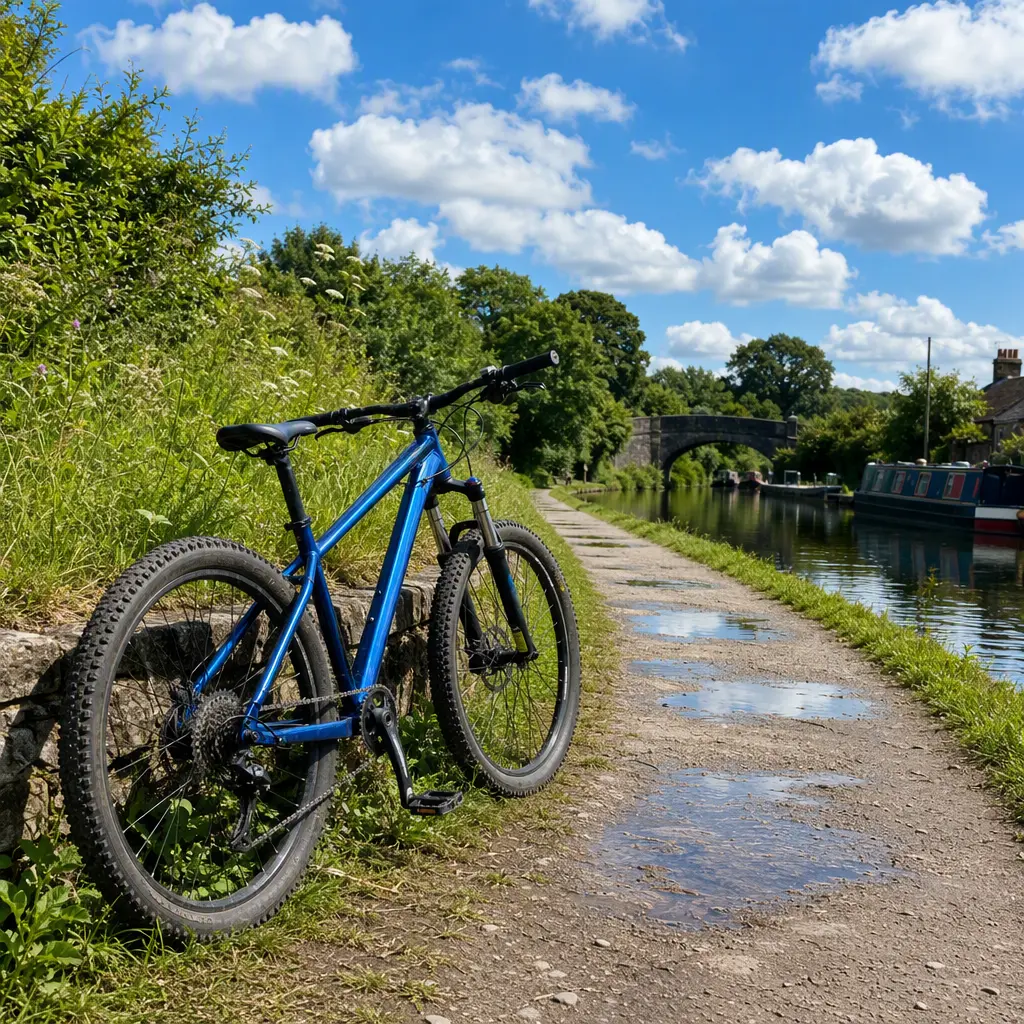
The Sidekick range suits children who already enjoy proper cycling adventures rather than occasional rides around the estate. Typical use includes trail-centre loops, forest tracks, canal towpaths, pump tracks and family mountain-bike trips where a child needs to keep pace comfortably. It also appeals to parents upgrading from very heavy kids’ bikes and discovering how much difference lower weight can make to confidence and stamina. Budget-wise, these bikes generally sit above basic children’s MTBs but below many premium boutique junior brands, typically landing in the mid-range enthusiast category around £500-£1,000 depending on size and specification.
Variants and what to look for today
The Sidekick family is generally structured around wheel size and rider height rather than radically different personalities. Smaller-wheel versions suit younger riders progressing from first geared bikes, while larger models edge closer to full junior trail-bike territory. Across the range, the idea stays consistent: practical hardtail mountain bikes built for genuine off-road riding.
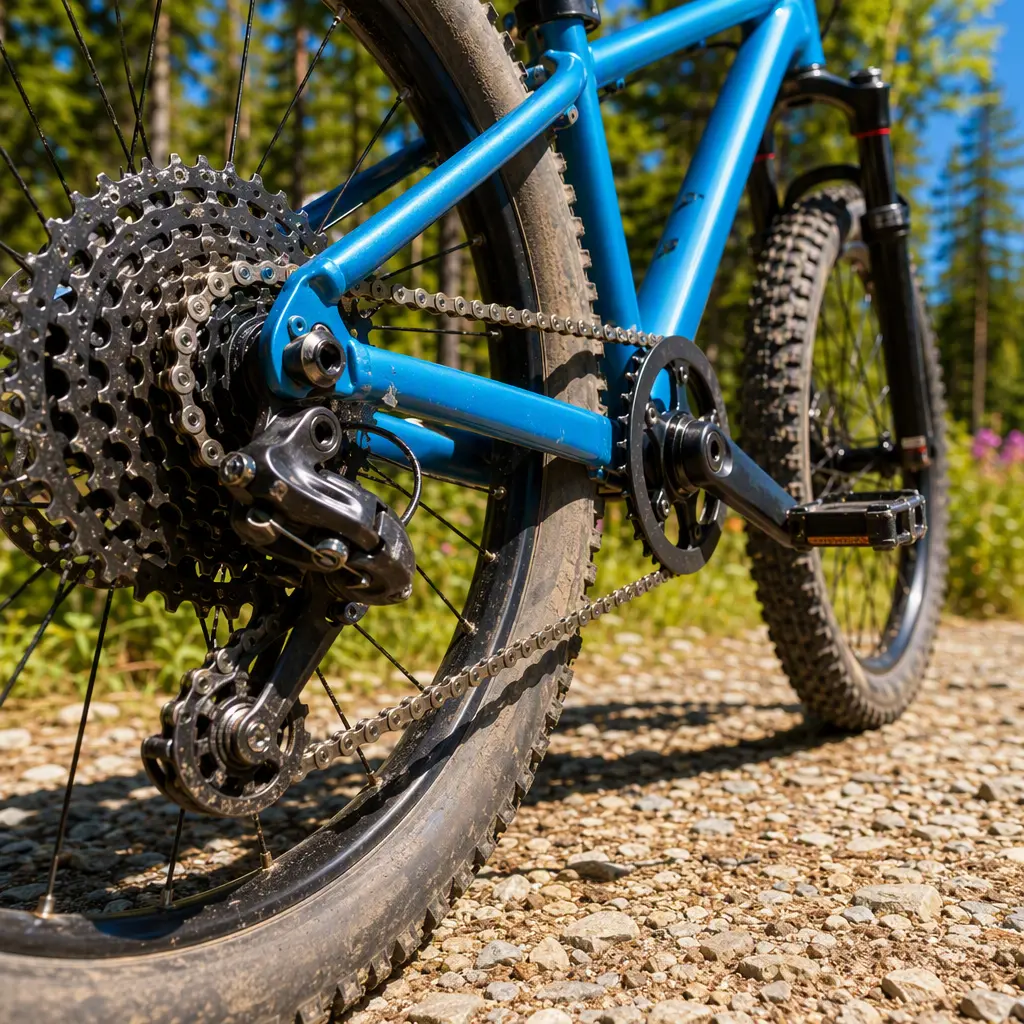
Entry-level trims tend to use simpler drivetrains and mechanical disc brakes, while higher-spec versions may feature lighter finishing kit, improved tyres or hydraulic braking systems. The jump between trims is often more about refinement and durability than outright speed. Families riding regularly through winter mud may appreciate better-quality brakes and drivetrain parts because they cope with wear more effectively.
- Check wheel condition carefully on second-hand bikes, especially if used on jumps or pump tracks
- Look for drivetrain wear from muddy riding, including stretched chains and worn cassettes
- Inspect frame paint around the chainstays for signs of heavy impacts
- Confirm the child still fits comfortably; fast-growing riders can outsize junior MTBs quickly
- Tyres matter on kids’ trail bikes, so budget for replacements if the originals are worn smooth
Frequently asked questions
Are DMR Sidekick bikes suitable for trail centres?
Yes. That is largely what the range is built around. They are designed for proper off-road riding rather than purely pavement use, with geometry and tyres intended for woodland trails, gravel and trail-centre surfaces.
Why do many Sidekick models use rigid forks?
Rigid forks help keep weight down and steering more predictable. On children’s bikes, very cheap suspension forks often add weight without offering much real damping or control, especially in wet conditions.
Can a Sidekick be used for everyday riding?
Absolutely. While the bikes are trail-focused, they also work well for school runs, park rides and canal-path journeys. Many families add mudguards or a bottle cage for more general use.
Are they good value compared with cheaper kids’ MTBs?
They cost more than entry-level supermarket-style mountain bikes, but much of the extra money goes into lower weight, better geometry and more durable components. For children who ride regularly, that can make the bike easier and more enjoyable to use.
The DMR Sidekick range reflects a broader shift in children’s cycling: treating younger riders as real riders rather than passengers on oversized toys. Its mix of low weight, practical trail geometry and straightforward specification has made it a familiar sight at UK trail centres and woodland loops. For families who spend weekends riding together, it offers a junior MTB that feels purpose-built for the job rather than simply scaled down to fit.
Find these on Amazon
As an Amazon Associate, CheapBikes earns from qualifying purchases.