Cube Kathmandu: Germany’s do-it-all trekking bike for UK miles
Cube’s Kathmandu family is a fixture on UK roads: fully equipped trekking bikes built for long commutes, touring holidays and everyday riding without fuss.
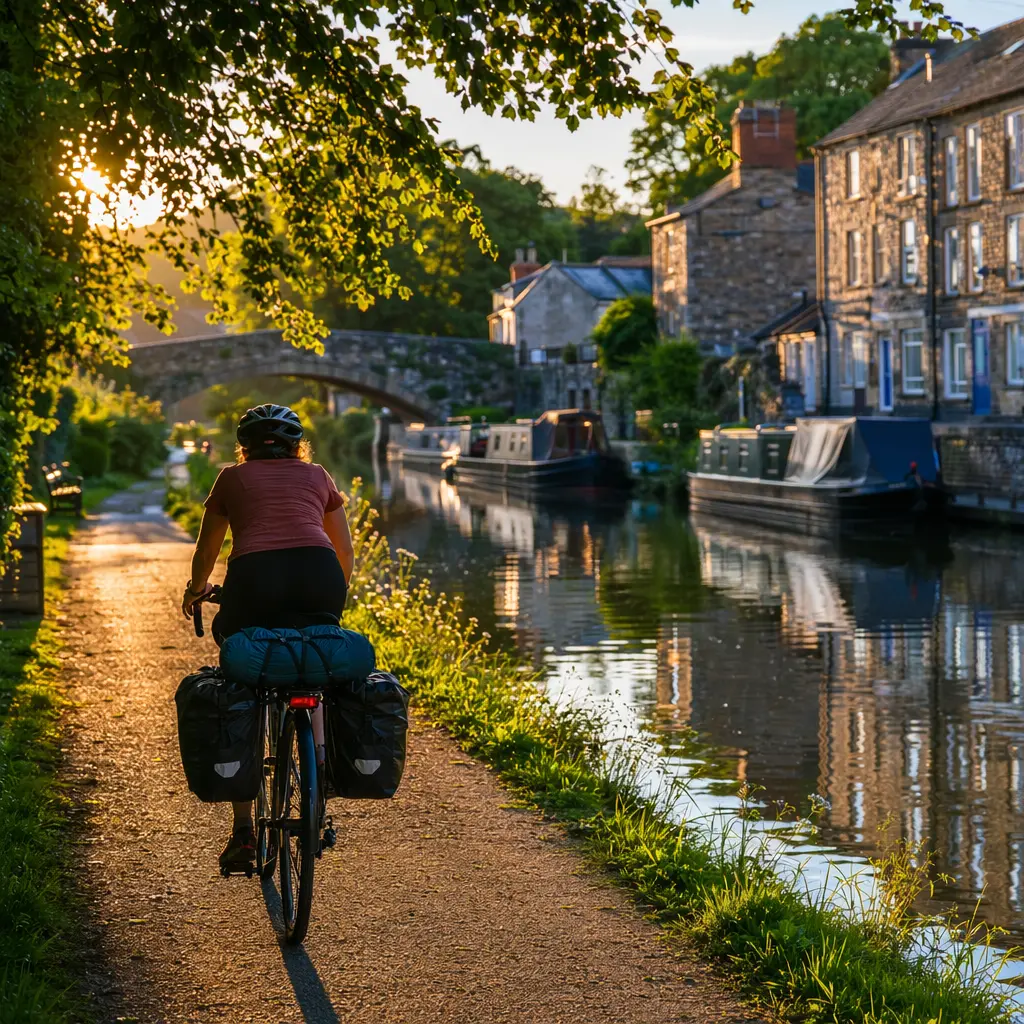
In the UK, “trekking bike” is still a slightly foreign term, but Cube’s Kathmandu family has spent years quietly explaining it. These are upright, fully equipped bikes designed to cover distance day after day — to work, to the shops, or across a county line — without asking for special treatment. Not flashy, not cheap-cheap, but solidly mid-market, the Kathmandu has become a familiar sight among long-distance commuters and leisure riders who want one bike to do most things.
Where it came from
Cube is a German brand with a strong foothold in the UK, and the Kathmandu reflects a very continental idea of everyday cycling. In Germany, trekking bikes sit between hybrids and tourers: practical, comfortable and sold as complete transport rather than frames waiting for accessories. Cube leaned into that thinking early, offering the Kathmandu as a ready-to-ride package rather than a base model you have to finish yourself.
The family has evolved steadily rather than dramatically. Over time it has absorbed better lighting systems, cleaner internal cable routing and more refined aluminium frames, while keeping its core identity intact. In UK shops, Kathmandus are usually sold through independent bike retailers rather than big-box chains, reinforcing their reputation as sensible, well-supported bikes rather than impulse buys.
Why it works
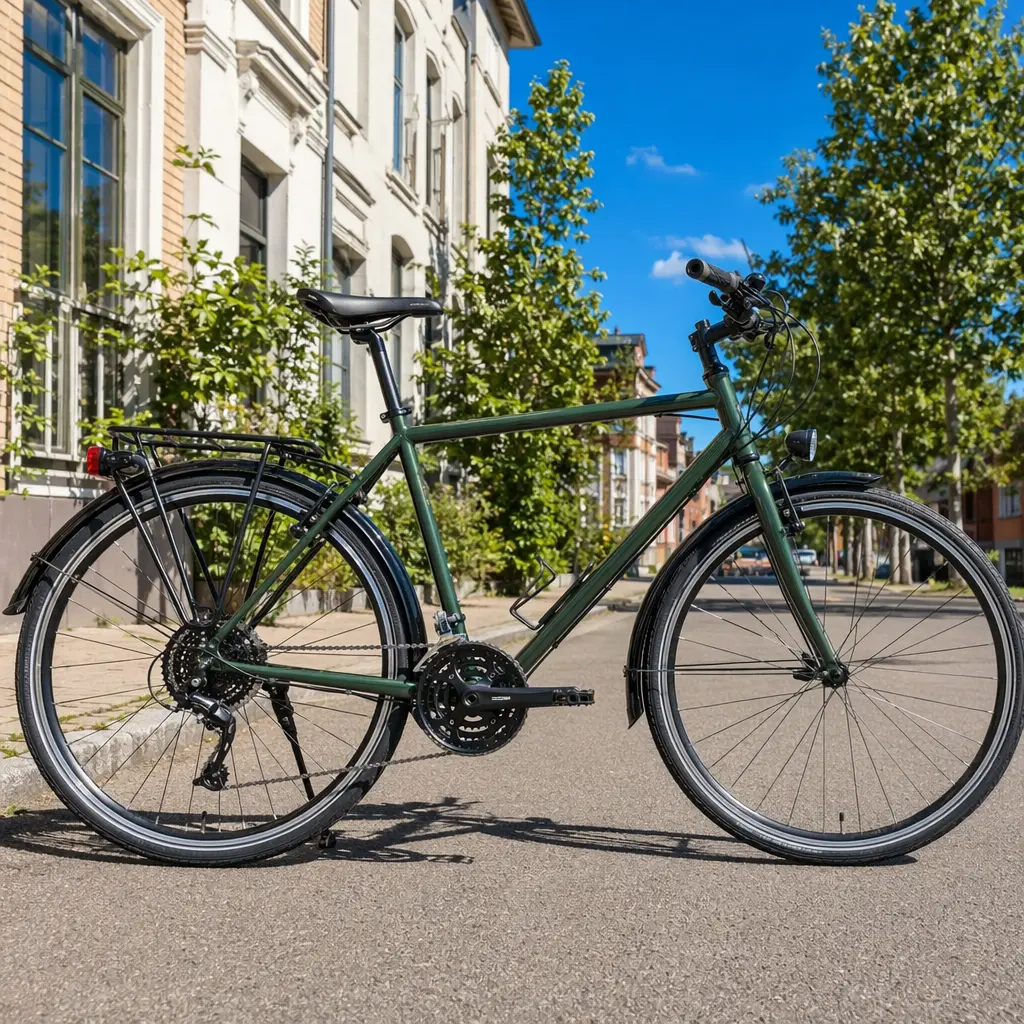
The Kathmandu’s appeal lies in how little you need to think about it. Geometry is upright without being wobbly, putting the rider in a relaxed position that suits hours in the saddle. Frames are built around 700c wheels with generous tyre clearance, so rough tarmac, towpaths and kerb hops are taken in stride. Suspension forks appear on many trims, tuned more for comfort than off-road heroics.
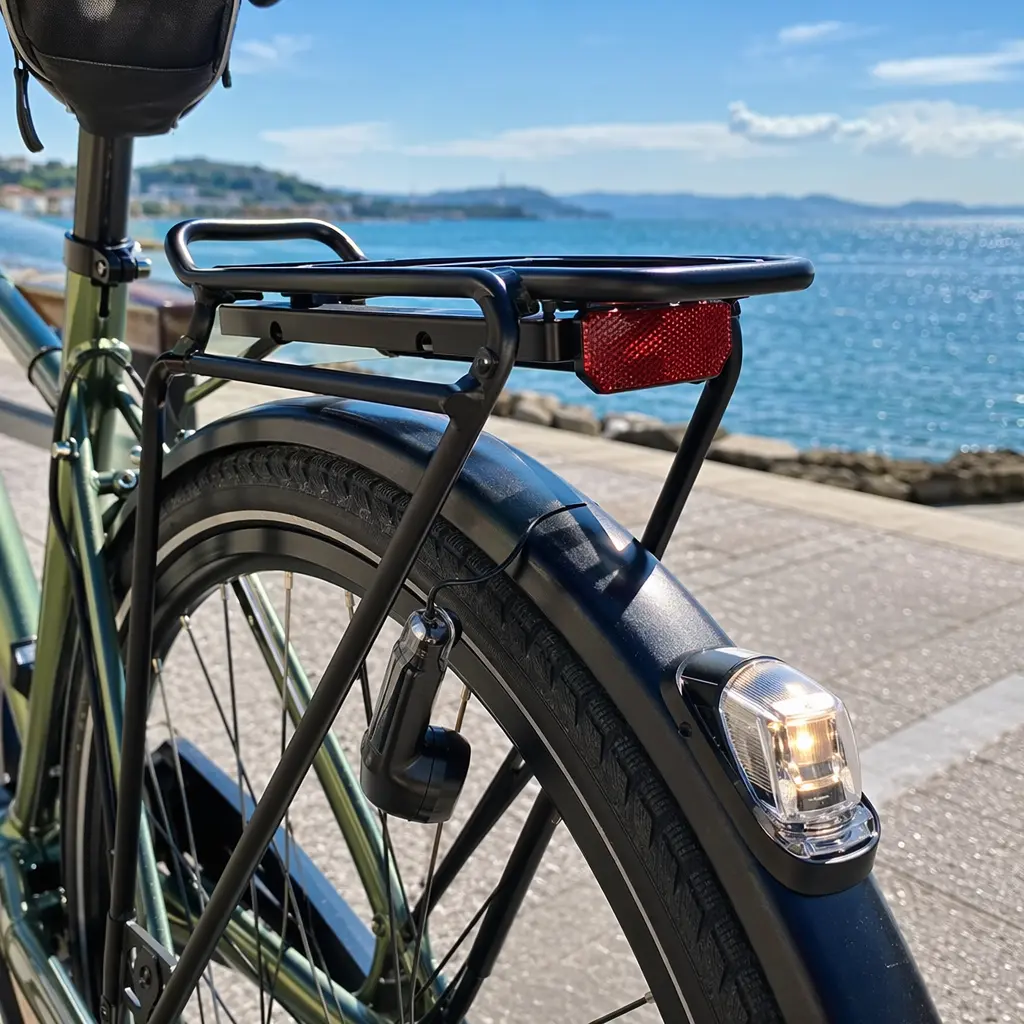
Component choices are conservative in a good way. Drivetrains tend to favour wide-range gearing for hills and loaded riding, braking is predictable and easy to service, and the finishing kit prioritises durability over grams. Crucially for UK weather, the Kathmandu is designed as a system: mudguards that actually fit, racks rated for real pannier weight, and lights that don’t rely on remembering to charge them.
- Integrated mudguards and rear carrier designed for the frame
- Hub dynamo lighting for year-round visibility
- Comfort-focused geometry for long rides
- Clearance for wider tyres and winter use
- Mounts for bottles, locks and touring accessories
Who it’s for
The Kathmandu suits riders who rack up steady miles rather than chasing speed. Think daily commutes of 5–15 miles each way, weekend rides that turn into café crawls, or gentle touring with panniers. It’s popular with riders coming back to cycling later in life, but just as common among practical-minded younger commuters. New prices typically land in the mid-hundreds to low four figures depending on trim, with plenty of used examples offering good value.
Variants and what to look for today
Within the Kathmandu family, differences are usually about components rather than intent. Entry versions focus on value with simpler drivetrains and coil-sprung forks. Mid-level trims add smoother-shifting gears, lighter wheels and better brakes. Higher-end Kathmandus may drop suspension altogether in favour of lighter rigid forks, appealing to riders who prioritise efficiency over plushness.
When buying second-hand, condition matters more than badge prestige. Check the dynamo lights work front and rear, inspect mudguard mounts for cracks, and spin the wheels to listen for tired hub bearings. A well-kept Kathmandu with fresh cables and tyres can feel almost new, while a neglected one can be an expensive refresh.
Frequently asked questions
Is the Cube Kathmandu a hybrid?
In UK terms, it sits close to a hybrid but with more emphasis on equipment and distance comfort. Compared with many hybrids, it’s heavier but more complete out of the box.
Can it handle light touring?
Yes. The frame and racks are designed for panniers and steady loads. It’s not a hardcore expedition tourer, but for UK and European trips on roads and paths it’s well suited.
Are suspension forks necessary?
Not for everyone. Suspension adds comfort on broken surfaces but also weight and maintenance. Many riders are happy with wider tyres and a rigid fork instead.
How does it compare to cheaper city bikes?
You’re paying for durability and completeness rather than speed. Cheaper bikes can work fine for short hops, but the Kathmandu is built to stay comfortable and reliable over years of use.
The Cube Kathmandu doesn’t shout for attention, and that’s the point. In a market crowded with sportier hybrids and trend-led e-bikes, it remains a calm, capable option for riders who value consistency. For UK cycling that mixes weather, distance and daily practicality, that quiet confidence is exactly why the family endures.
Find these on Amazon
As an Amazon Associate, CheapBikes earns from qualifying purchases.