What you give up buying a £300 bike vs a £500 bike
A plain-English look at the real-world trade-offs between £300 and £500 bikes: durability, comfort and safety. Where the extra £200 goes — and when it’s worth paying.
For many UK riders, £300–£500 is the sharp end of the value market. It’s the difference between a basic runabout and a bike you’ll still enjoy riding in a year or two. This guide breaks down what actually changes as you move from around £300 to £500, with a focus on durability, comfort and safety — and where the compromises really bite.
What you actually get at this price
At £300, bikes are built to hit a headline price. At £500, they’re built to last a bit longer and ride a bit better. The frames may look similar, but the components bolted to them tell a different story.
Here’s where the extra £200 typically goes on a hybrid-style bike:
- Groupset: £300 bikes usually run entry-level gears with basic shifters; £500 bikes step up to smoother, more durable components that stay in tune longer.
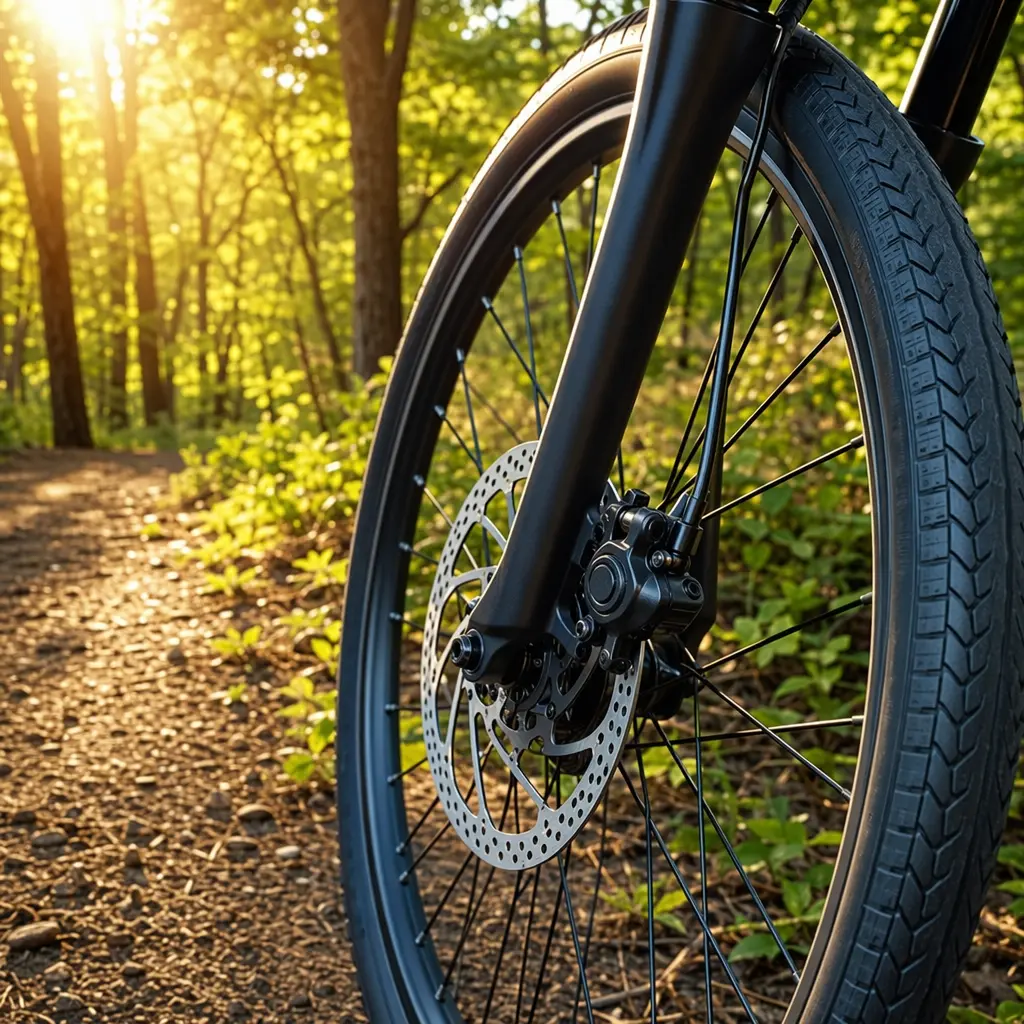
- Brakes: Expect mechanical disc or rim brakes at £300; £500 often brings better mechanical discs with stronger bite and more consistent feel.
- Frame & fork: Both are usually aluminium, but £500 bikes tend to have neater welds and a lighter, better-damped fork.
- Wheels & tyres: Cheaper wheels are heavier and flex more; pricier ones roll better and use tougher rims and tyres.
- Finishing kit: Saddles, grips and seatposts are noticeably more comfortable at £500.
- Extras: Rack and mudguard mounts are more common, and sometimes included, at the higher price.
How to choose
Start with how often you’ll ride. For occasional short trips on smooth roads, a £300 bike can do the job. For commuting, fitness riding or mixed surfaces, the jump to £500 quickly pays for itself in comfort and reliability.
Fit and geometry matter more than spec lists. A slightly more upright position, common on better hybrids, reduces strain on wrists and lower back. Check stand-over height, reach to the bars, and whether the bike can take mudguards and a pannier rack — essentials for UK riding.
What to look out for
- Heavy wheels that make the bike feel sluggish, especially on hills.
- Basic shifters that need frequent adjustment.
- Brakes with poor wet-weather performance.
- No rack or mudguard mounts, limiting everyday use.
- Very wide gearing gaps that make it hard to find a comfortable cadence.
Worth spending more on
If you stick with a £300 bike, a few smart upgrades can narrow the gap. Tyres are the biggest win: better rubber improves grip, comfort and puncture resistance. A quality saddle can transform longer rides, and decent grips reduce hand fatigue.
Safety kit matters too. A well-ventilated helmet, bright lights and a solid lock are non-negotiable, regardless of bike price. These items often outlast the bike itself and can move with you when you upgrade.
Frequently asked questions
Is a £500 bike twice as good as a £300 one?
No — but it’s usually noticeably better. The gains are in reliability and comfort rather than outright speed, which matters more over time.
Will a £300 bike be safe?
Yes, if assembled correctly and maintained. However, braking performance and wet-weather control are generally stronger on £500 bikes.
Should I buy used instead?
A well-maintained used bike around £500 can outperform a new £300 one, but only if you know what to check or buy from a reputable shop.
Where does the extra money make the biggest difference?
Brakes, wheels and contact points (saddle, grips) are where riders most clearly feel the upgrade.
In short: £300 gets you rolling, £500 keeps you riding. If cycling is more than an occasional novelty, the higher budget usually proves better value in the long run.
Find these on Amazon
As an Amazon Associate, CheapBikes earns from qualifying purchases.