What to Look for in a First Full-Suspension MTB
A practical guide to buying your first full-suspension mountain bike, covering suspension setup, geometry, hidden costs, sizing and the trade-offs at different budgets.
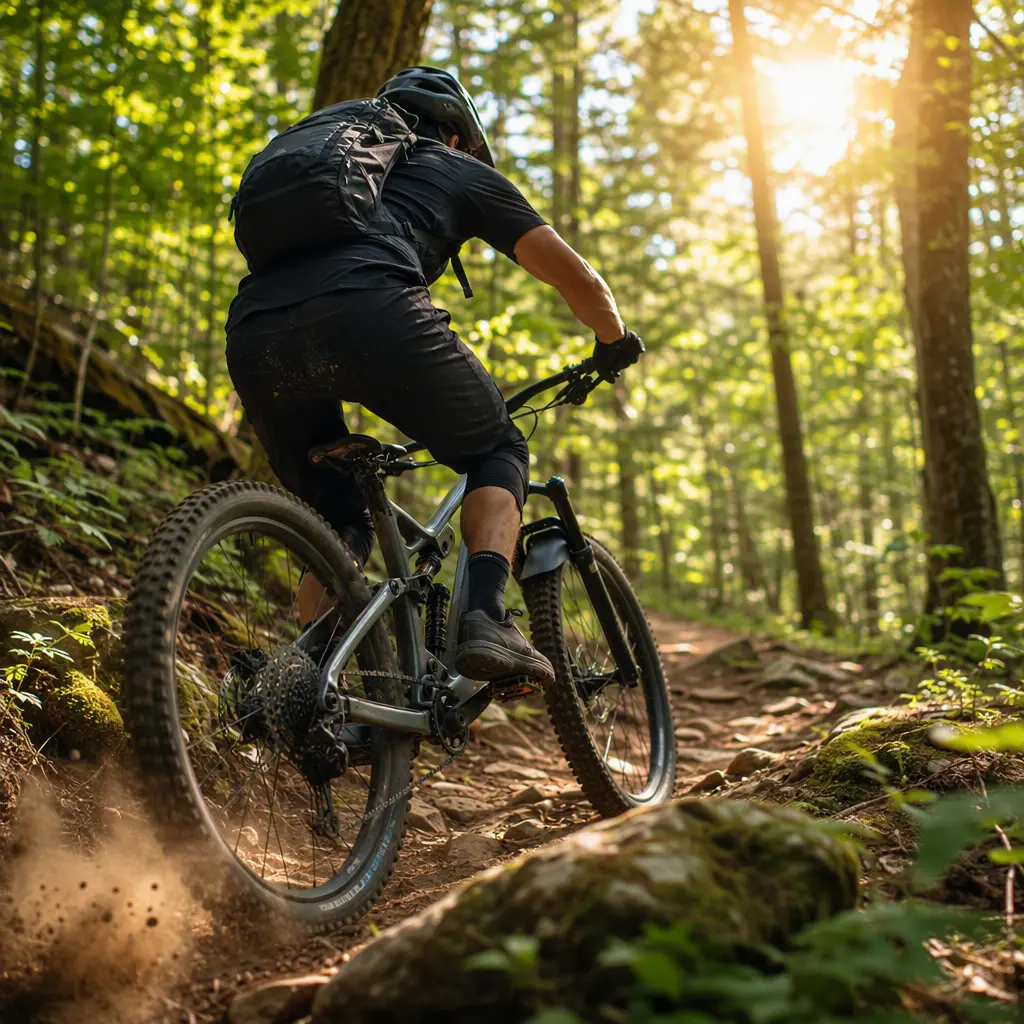
Buying a first full-suspension mountain bike can feel complicated because the headline spec rarely tells the whole story. Suspension travel, wheel size, frame geometry and component quality all affect how the bike rides and how much it costs to maintain. Full-suspension bikes are usually heavier and more expensive than hardtails, but they can add comfort, grip and confidence on rough trails. The key is matching the bike to the riding you actually plan to do rather than chasing the longest travel or the most aggressive setup.
What to look for
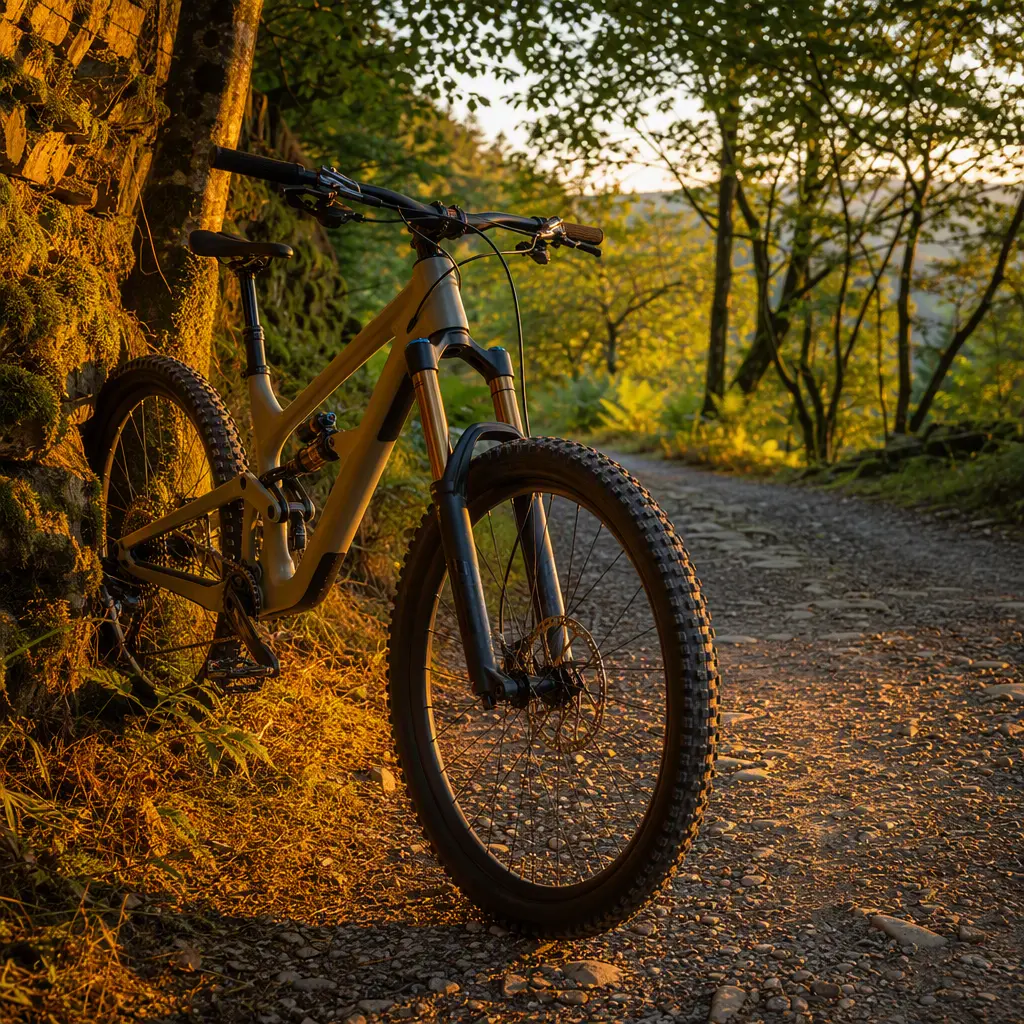
The best first full-suspension MTB is usually one that balances comfort, control and reliability without becoming difficult or expensive to maintain. Trail-focused bikes with moderate suspension travel are often the safest starting point because they work across a wide range of terrain, from trail centres to woodland singletrack and natural routes.
- Suspension travel: Around 120mm to 150mm front and rear suits most new riders and mixed trail riding. Longer-travel bikes feel capable downhill but can pedal less efficiently.
- Frame material: Aluminium frames dominate at sensible prices because they offer good durability and lower cost. Carbon frames reduce weight but usually push the budget much higher.
- Brake type: Hydraulic disc brakes are strongly recommended for off-road riding because they offer better control and power in wet UK conditions.
- Geometry: Modern trail geometry with a slightly slacker head angle and longer reach helps stability without making the bike feel extreme.
- Fit and sizing: Reach measurements and standover height matter more than the label on the seat tube. Check manufacturer sizing charts carefully.
- Weight: Entry-level full-suspension bikes are often heavier than expected. A slightly heavier bike with better suspension and brakes can still ride better overall.
- Included accessories: Tubeless-ready wheels, dropper seatposts and boost axle spacing are useful features that improve trail performance and future upgrades.
Budget and what you're getting
Budget matters more with full-suspension bikes than with many other categories because there are simply more moving parts involved. Lower-cost bikes can still be enjoyable, but compromises often appear in suspension quality, drivetrain durability and overall weight. Cheap suspension units may lack adjustment and can struggle on repeated rough descents. Entry-level wheelsets and tyres may also need upgrading sooner if riding regularly on rocky trails. Spending a little more often improves frame design, braking performance and suspension consistency rather than just adding gears. It is also worth remembering that servicing costs are higher than on a hardtail because both the fork and rear shock require periodic maintenance to perform properly in muddy UK riding conditions.
Standout categories or types
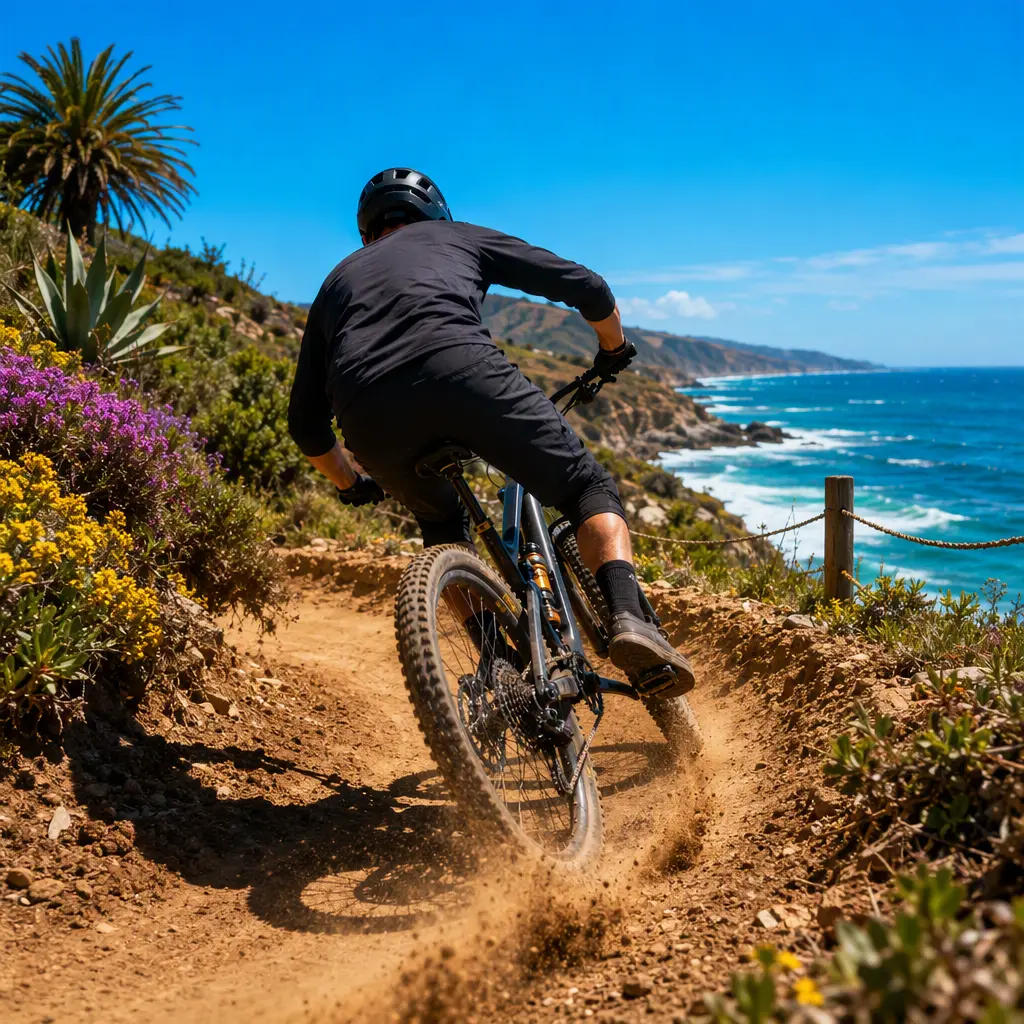
Most first-time buyers will end up choosing between short-travel trail bikes and longer-travel all-mountain or enduro-style bikes. Short-travel bikes usually pedal more efficiently and feel more lively on flatter terrain. They suit riders spending long days on mixed trails or trail centres with lots of climbing. Longer-travel bikes add confidence on steep descents and rough terrain but can feel slower and heavier on gentler rides.
Wheel size also changes the character of the bike. Twenty-nine-inch wheels roll smoothly over roots and rocks and are now common on modern trail bikes. Smaller 27.5-inch wheels can feel more agile and easier to manoeuvre on tighter trails. Some bikes combine a 29-inch front wheel with a smaller rear wheel to balance stability and agility.
- Trail bikes: Balanced all-rounders suitable for most riders and UK trail centres.
- Enduro bikes: More travel and tougher components aimed at steep descents and rough terrain.
- Cross-country full-suspension bikes: Lighter and faster pedalling, but less forgiving on technical descents.
- 27.5-inch wheels: Nimble handling and quicker direction changes.
- 29-inch wheels: Better rollover ability and stability on rough ground.
Frequently asked questions
Is a full-suspension MTB better than a hardtail for beginners?
Not always. A hardtail can offer better value at lower budgets because more of the money goes into the frame and components rather than rear suspension. Full-suspension bikes become more appealing for rougher trails, longer rides and riders prioritising comfort and grip.
How much suspension travel do I need?
For general UK trail riding, around 120mm to 150mm of travel is usually enough. More travel helps on steep descents and bike parks, but it adds weight and can reduce pedalling efficiency.
Are cheaper full-suspension bikes worth buying?
They can be, but buyers should expect heavier frames and simpler suspension systems. It is often better to buy a well-equipped aluminium trail bike from a reputable retailer than focus only on maximum travel or flashy styling.
Do I need a dropper seatpost?
A dropper seatpost is one of the most useful upgrades for trail riding because it lets riders lower the saddle quickly on descents and raise it again for climbing. Many modern trail bikes now include one as standard.
What extra costs should I expect?
Alongside the bike itself, budget for a helmet, pedals, tubeless sealant, basic tools and suspension servicing. Replacement tyres and brake pads can also add up if riding regularly through wet and muddy conditions.
A first full-suspension mountain bike should feel stable, comfortable and capable without stretching the budget too far. Focusing on sensible geometry, reliable suspension and good brakes will usually matter more than chasing race-inspired specs. For many riders, a versatile trail bike offers the best balance of climbing efficiency, downhill confidence and long-term value.
Find these on Amazon
As an Amazon Associate, CheapBikes earns from qualifying purchases.